Rear seats
 Introduction
The following information describes the various options for adjusting the rear seats. Always make sure the seats are adjusted to the correct position .
 WARNING
Adjust the rear seats correctly before each journey and make sure all passengers have their own safety belts fastened correctly.
-
Only adjust the rear seats when the vehicle is stationary. Otherwise, the rear seats could move unexpectedly while the vehicle is in motion. You could also put yourself in an incorrect seating position.
-
For passengers in the rear seats, the risk of serious injuries increases if they do not sit upright, because the safety belts will not be positioned correctly.
-
Only adjust the rear seat when there is no one within the seat’s range of movement.
WARNING
Lighters in the vehicle can become damaged or ignite unintentionally. This can cause severe burns and vehicle damage.
-
Before adjusting any seat, always make sure that there are no cigarette lighters near the moving parts of the seat.
WARNING
To reduce the risk of injury while driving, the center armrest must always be folded upward.
-
If the center armrest is folded down, the center rear bench seat must never be used by either adults or children. Doing so would create an incorrect seating position that could result in serious injuries.
-
Never allow an adult or child to ride on the center armrest.
 NOTICE
-
Objects in the luggage compartment can cause damage when adjusting the rear seat forward or backward.
-
If the rear seat is positioned forward, objects can become caught between the seat and the luggage compartment floor. Remove any objects from this area before sliding the rear seat back.
NOTICE
Objects with sharp edges can damage the seats.
-
Never touch the seats with sharp-edged objects. Sharp-edged objects, such as zippers, rivets on clothing, or belts, can cause surface damage. Open hook and loop fasteners can also cause damage.
Adjusting the rear bench seat
Please read the introductory information and heed the Warnings and Notice and .
.
Depending on the vehicle equipment, the rear bench seat is split into two sections that are different sizes. Each section can be adjusted separately.
Adjusting the rear bench seat forward or backward

Fig. 73 Under the seat cushion in the rear bench seat: Adjusting lever.
-
Pull the right or left lever upward in the direction of the arrow and slide the corresponding section of the rear bench seat forward or backward.
-
Release the lever and allow the section of the rear bench seat to engage by sliding slightly forward or backward.
Adjusting the rear seat backrest

Fig. 74 Left side area in the rear bench seat: adjusting lever.
The rear seat backrest can only be adjusted if the seat in question is occupied.
-
Pull the adjusting lever upward in the direction of the arrow .
-
Allow the rear seat backrest to fold forward slightly.
-
Press the rear seat backrest back into the desired position.
-
Release the adjusting lever and allow the rear seat backrest to lock into place by pushing it slightly forward or back.
Adjusting the rear seat

Fig. 75 Adjusting the rear seat.
 Only in the second row of seats: Pull the lever to move the backrest into the required position. The seat backrest must lock into place after the lever is released. In the center seating position, instead of a lever, there is a loop (depending on the vehicle equipment). It works just like the lever.
 Only in the second row of seats in six-seaters: Turn the handwheel under the armrest to adjust the armrest.
 Only in the second row of seats: Pull the lever to move the seat into the required position. The seat must lock into place after the lever is released.
NOTICE
If the backrest in the second row of seats is tilted back as far as it will go, this could damage a trunk cover that has been installed behind it. Remove the luggage compartment cover before adjusting the backrest.
Folding the second row seats into the cargo floor position
Please read the introductory information and heed the Warnings and Notice and.
Each rear seat can be folded forward individually to increase the size of the luggage compartment.
A rear seat can only be folded over if the seat is not occupied.
Fig. 76 Second row seats: folding the outer rear seats forward into the cargo floor position.
Folding the second row seats into the cargo floor position
-
Open the belt loops and guide the safety belt back by hand.
-
Fold up the armrests.
-
Slide the front seats forward.
-
Remove any objects from the footwell in front of and behind the rear seat .
-
Move the rear seat all the way back.
-
Move the head restraints all the way down.
-
Pull the lever up and fold the rear seat backrest forward.
The entire rear seat will fold forward .
-
Press down on the folded rear seat backrest until the backrest locks into the cargo floor position .
Adults or children should not ride in the rear seat when it is folded forward .
Folding the second row seats back
-
Pull the lever and fold the rear seat backrest back into the upright position.
The entire rear seat will fold back.
-
Pull on the rear seat and on the rear seat backrest to make sure the rear seat and the rear seat backrest are securely locked into place .
WARNING
Uncontrolled or unintentional folding of the rear seat backrests can cause serious injuries.
-
Never fold the rear seat backrest forward or back while driving.
-
Make sure the safety belt is not pinched or damaged when folding the rear seat backrest back.
-
Keep hands, fingers, feet, and other parts of the body out of the range of operation of the seat hinges and seat locking mechanism when folding the backrest forward and back.
-
Floor mats or other objects can become caught in the hinges on the rear seat backrest or seat. This can prevent the rear seat backrest or rear seat from locking when folded into the upright position.
-
Each rear seat backrest must always be locked in the upright position to ensure that the safety belts in the rear seats can provide the maximum protection. If a seat is used without the backrest being locked in place, the passenger will move forward with the backrest in the event of sudden braking and driving maneuvers or a collision.
-
Never allow people to sit in a rear seat if that rear seat backrest or the rear seat is folded forward or is not engaged.
NOTICE
Objects in the footwell in front of and behind the rear seats can be damaged when the rear seats are folded forward or back. Remove any objects before folding the seat forward or back.
NOTICE
Before folding the rear seat backrest down, adjust the front seats so that the head restraint or padding on the rear seat backrest does not press against the front seats.
Folding the third row seat into the cargo floor position
Please read the introductory information and heed the Warnings and Notice and.
Each rear seat can be folded forward individually to increase the size of the luggage compartment.
Folding the third row seats into the cargo floor position
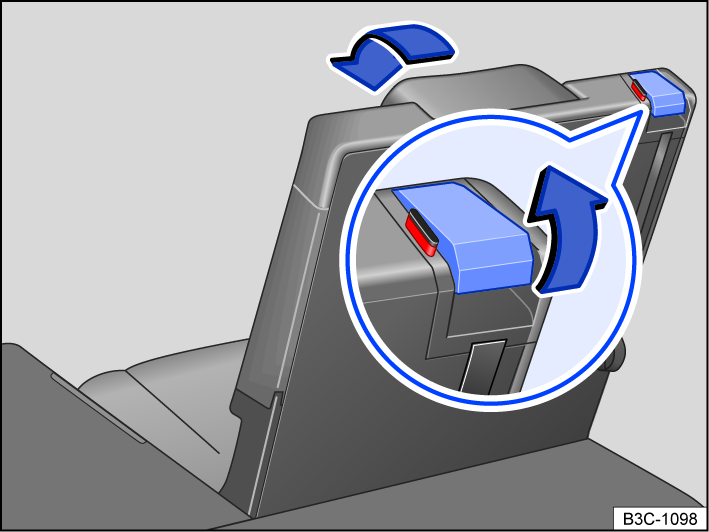
Fig. 77 Third row seat: folding the rear seat into the cargo floor position.
-
Open the trunk lid.
-
Remove the luggage compartment cover if necessary.
-
Move the head restraints all the way down.
-
Release the safety belts from both belt buckles to reduce the risk of damage to the seat and safety belt.
-
Push the seats in the second row forward.
-
Remove any objects from the footwell in front of and behind the rear seat .
-
Remove any objects from the seat well behind the rear seat.
-
To release the rear seat backrest, pull the release lever all the way up.
-
Guide the rear seat backrest down by hand until it lies flat on the seat frame .
Adults or children should not ride in the rear seat when the rear seat is folded forward .
-
Close the trunk lid.
Folding the third row seats back
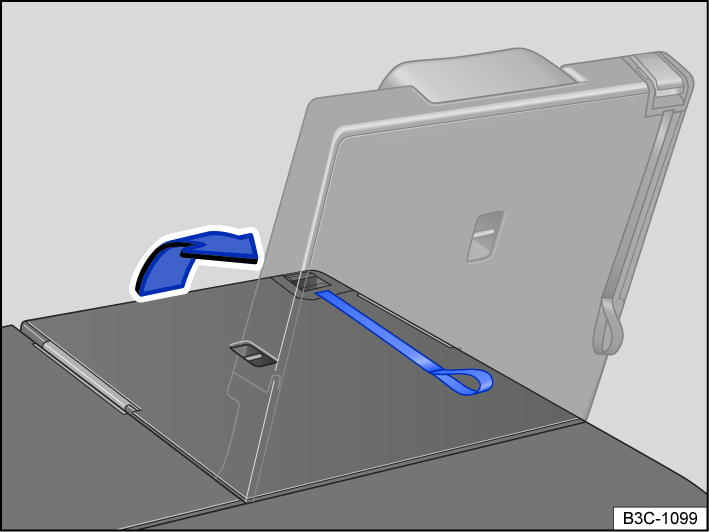
Fig. 78 Third row seat: folding the rear seat back.
-
Open the trunk lid.
-
To fold the rear seat backrest back, pull on the loop on the rear seat backrest .
Or: Fold the rear seat backrest back from the passenger compartment by hand.
The red marking on the release lever must no longer be visible.
-
Pull and press on the rear seat backrest to make sure that it is latched in place .
-
Install the luggage compartment cover again if necessary.
-
Close the trunk lid.
WARNING
Uncontrolled or unintentional folding of the rear seat backrests can cause serious injuries.
-
Never fold the rear seat backrest forward or back while driving.
-
Make sure the safety belt is not pinched or damaged when folding the rear seat backrest back.
-
Keep hands, fingers, feet, and other parts of the body out of the range of operation of the seat hinges and seat locking mechanism when folding the backrest forward and back.
-
Floor mats or other objects can become caught in the hinges on the rear seat backrest or seat. This can prevent the rear seat backrest or rear seat from latching when folded into the upright position.
-
Each rear seat backrest must always be locked in the upright position to ensure that the safety belts in the rear seats can provide the maximum protection. If a seat is used without the backrest being locked in place, the passenger will move forward with the backrest in the event of sudden braking and driving maneuvers or a collision.
-
A red marking on the release lever indicates that the rear seat backrest is not latched. The red marking must not be visible when the backrest is latched.
-
Never allow people to sit in a rear seat if that rear seat backrest or the rear seat is folded forward or is not engaged.
NOTICE
Objects in the footwell in front of and behind the rear seats can be damaged when the rear seats are folded forward or back. Remove any objects before folding the seat forward or back.
-
Objects in the seat well behind the third row seats can be damaged when the third row seats are folded forward or back. Remove any objects before folding the seat forward or back.
-
Securing elements and cover mounts that are secured on the rail system can be damaged when the third row seats are folded forward or back, which can cause damage to the rear seats. Remove the securing elements and cover net mounts from the rail system before folding the seats forward or back.
Download Manual