Sockets
 Introduction
Electrical devices can be connected to the sockets in the vehicle.
The 12 V socket only works when the ignition is switched on.
 WARNING
Using sockets and electrical devices incorrectly can cause fires and serious injuries.
-
Never leave children unattended in the vehicle. Sockets and the devices connected to them can be used when the ignition is switched on.
-
If the electrical devices become too warm, turn off the devices immediately and disconnect them.
 NOTICE
-
To reduce the risk of damage to the electrical system, never attempt to charge the 12 V vehicle battery by connecting electrical devices that provide power to the 12 V sockets, such as solar panels or battery chargers.
-
Only use electrical devices that have been tested for compliance with the applicable directives for electromagnetic compatibility.
-
Do not use any malfunctioning devices.
-
To reduce the risk of damage from voltage fluctuations, turn electrical devices off before switching the ignition on or off and before starting the engine.
-
Never connect electrical devices that draw more than the specified load of a 12 V socket. The vehicle electrical system can be damaged when the maximum load is exceeded.
-
Refer to the operating instructions for the electrical devices.
 The 12 V vehicle battery will drain if the ignition and electrical devices are switched on while the engine is switched off.
Unshielded devices can cause malfunctions in the radio, the Infotainment system and in the vehicle electronics, depending on the vehicle equipment.
Sockets in the vehicle
Please read the introductory information and heed the Warnings and Notice and .
.
Do not exceed the maximum power of the sockets. The power draw of the external devices is indicated on their identification labels.
12 V socket
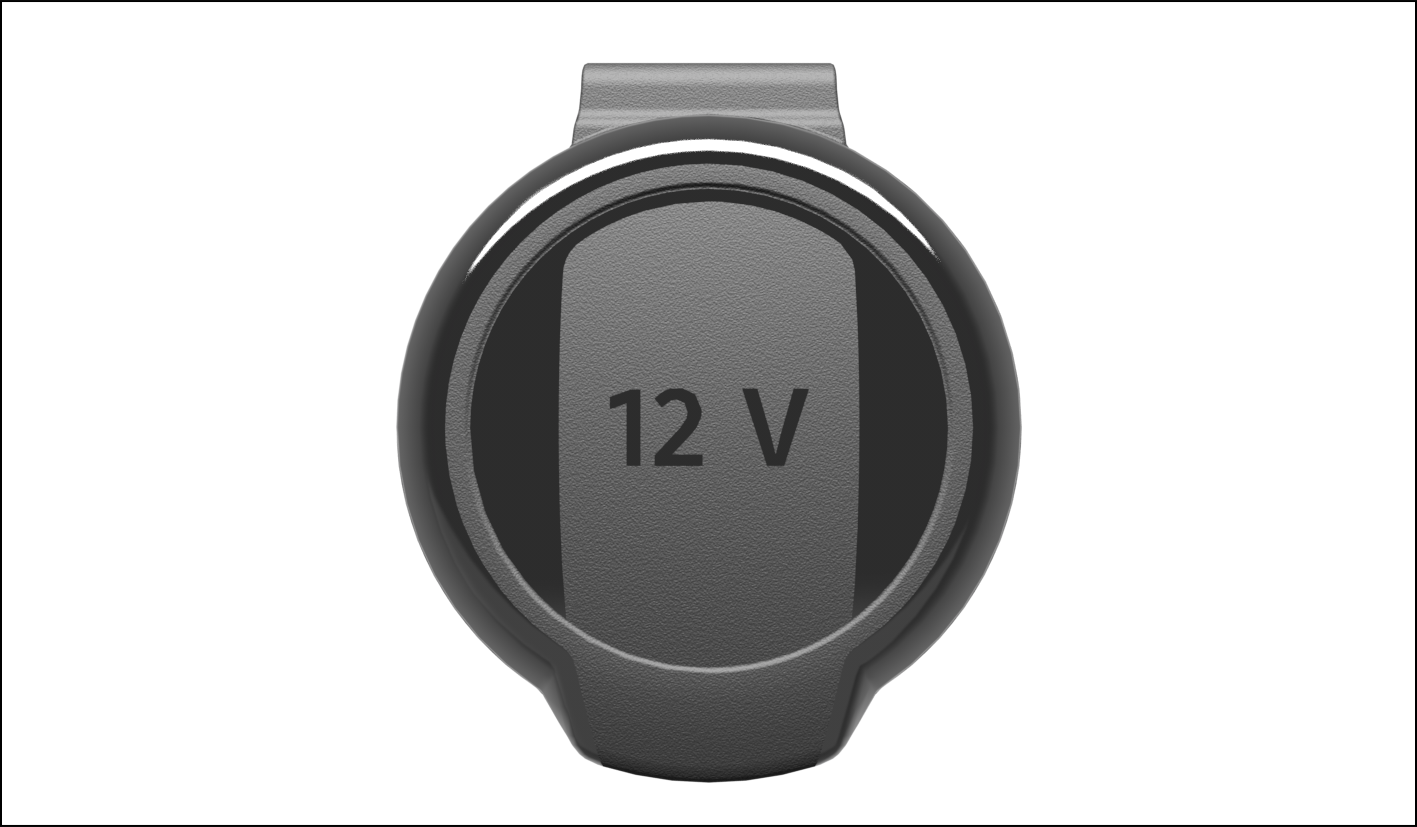
Fig. 150 In the lower part of the center console, at the rear of the center console or on the left-hand side of the luggage compartment: Hinged 12-volt socket (general example).
The total continuous output of all 12 V sockets in the vehicle is 120 watts .
The maximum power of a 12 V socket in the vehicle with the engine running totals 180 watts.
NOTICE
Using 12 V sockets for too long at maximum power can cause the fuse to blow.
-
Never use 12 V sockets at their maximum power for longer than 10 minutes.
-
Only ever use a single 12 V socket at maximum power.
115 V socket
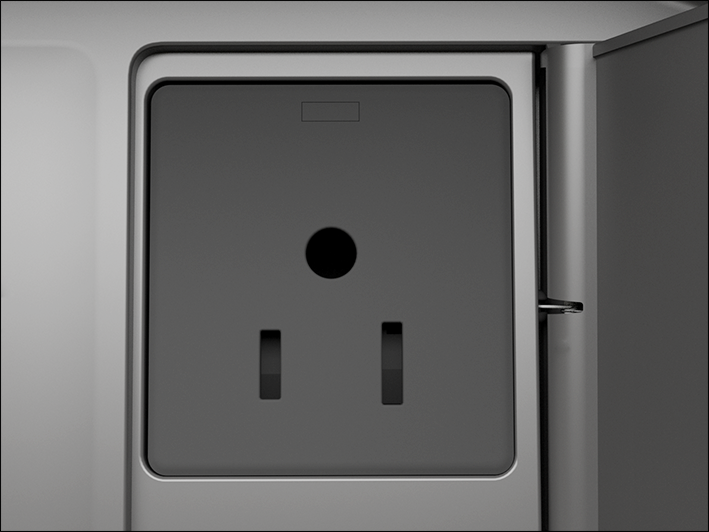
Fig. 151 In the center console at the rear: 115 V socket (depending on the vehicle equipment).
The maximum power is 150 watts (peak power: 300 watts).
The socket is activated automatically if you plug in a connector while the engine is running. If enough power is available, you may be able to use the socket, even if you have switched off the engine .
Connecting an electrical device
-
To unlock the integrated child safety lock, remove the cover if necessary and insert the connector all the way into the socket.
Electricity will not start to flow through the socket until the child safety lock is unlocked.
LED display on the socket .
 Green LED comes on: The child safety lock is unlocked. The socket is ready for operation.Green LED is blinking: The ignition is switched off but there is still enough power to continue supplying the socket for up to ten minutes. If you pull out the connector within this period, the socket will be switched off and you will not be able to use it again without switching the ignition back on.
 Red LED is blinking: There is a malfunction, e.g. cut-off due to overcurrent or excessive temperature.
Temperature cut-off
The inverter of the 115 V socket automatically shuts down when a certain temperature is exceeded. The cut-off prevents overheating due to devices that are connected drawing excessive power and overheating due to high ambient temperatures. You will not be able to use the 115-volt socket again until it has cooled down.
In order to use the 115-volt socket again once it has cooled down, if a device is connected you must remove the connector connecting it to the socket and then plug it back in again. This prevents electronic devices from inadvertently being switched back on.
 DANGER
High voltage in the electrical system can cause electric shocks, serious burns, and fatal injuries.
-
Do not spill any liquids on the socket.
-
Do not insert any adapters or extension cables into the 115-volt socket. The integrated child safety lock will otherwise be switched off and the socket will be live.
-
Do not insert any objects that conduct electricity, such as knitting needles, into the contacts of the 115 V socket.
NOTICE
-
Do not suspend excessively heavy devices or connectors (e.g. power supply units) directly from the socket.
-
Do not connect lamps containing a neon tube.
-
Only connect devices to the socket if the voltage of these devices matches the socket voltage.
-
The built-in overcurrent cut-off prevents electronic devices with a high inrush current from being switched on. In this case, disconnect the power supply unit from the electronic device, wait approximately 10 seconds and then reconnect it.
With some devices, the functionality of the 115-volt socket may be impaired due to the relatively low power (wattage).
Download Manual