Windshield wipers and washer
 Introduction to the subject
In this chapter you will find information on the following subjects:
 WARNING
Windshield washer fluid without enough frost protection can freeze on the windshield and reduce visibility.
- Use the windshield washer system with enough frost protection for winter temperatures.
- Never use the windshield wipers/washers when it is freezing without first defrosting the windshield. The washer solution may freeze on the windshield and reduce visibility.
WARNING
Worn or dirty wiper blades reduce visibility and increase the risk of accidents and severe injuries.
- Always replace wiper blades that are worn, damaged, or do not keep the windshield clear .
 NOTE
NOTE
To help prevent damage to the wiper blades and the wiper motor when it is cold outside, always make sure that blades are not frozen to the windshield before operating the wipers. Using the windshield wiper service position can be helpful in cold weather so the wipers do not freeze to the windshield .
Indicator light
Read and follow the introductory information and safety information first
Your vehicle may be equipped with an indicator light that comes on when the windshield washer fluid level is low.
| Lights up | Proper response |
|---|---|
| Not enough windshield washer fluid. Refill windshield washer reservoir at the next opportunity . |
When the ignition is switched on, several warning and indicator lights come on briefly for a function check. They go out after a few seconds.
NOTE
Failure to heed warning lights or text WARNINGS can result in vehicle damage.
Windshield wiper lever
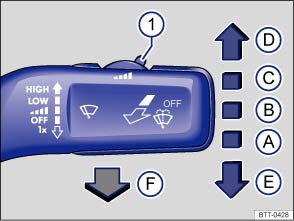
Fig. 88 Operating the front windshield wipers.
Read and follow the introductory information and safety information first
The windshield wipers work only if the ignition is switched on.
Move the lever to the desired position :

Wiper switched off.

Intermittent wiping for the windshield. Adjust the interval settings with switch (vehicles without a rain sensor) or the sensitivity of the rain sensor (vehicles with a rain sensor).

Slow wiper speed.

Fast wiper speed.

x One-tap wiping – brief wiping. Hold the lever pressed down longer to wipe more often.

Pull the lever toward the steering wheel to activate the windshield washers, then release.
NOTE
To help prevent damage to the wiper blades and the wiper motor when it is cold outside, always make sure that blades are not frozen to the windshield before switching on the ignition. Using the service position can be helpful in cold weather so the wipers do not freeze to the windshield .
- If the ignition is switched off while the wipers are running, the wipers will continue at the same wiping speed when the ignition is switched on again. Frost, ice, snow, leaves, and other objects on the windshield can damage the wipers and the wiper motor.
- Remove snow and ice from the wipers before you begin driving.
- If the wiper blades freeze to the windshield, loosen them carefully. Volkswagen recommends using a deicing spray.
NOTE
Never switch on the windshield wipers when the windshield is dry because the windshield can be scratched.

The intermittent wiping for the front windshield depends on the driving speed. The higher the speed, the faster the wipers move.
If the wiper blades freeze to the windshield, loosen them carefully. Volkswagen recommends using a deicing spray.
Windshield wiper functions
Read and follow the introductory information and safety information first
Wiper performance when the vehicle is not moving:
The wiper speed changes temporarily to the next lower speed.
Wiper performance during intermittent wiping:
Speed-dependent interval control: The higher the vehicle speed, the faster the wipers move.
Heated washer nozzles (if equipped)
Some vehicles are equipped with heated washer nozzles. The heating thaws frozen washer nozzles, but not the fluid supply hoses. When the ignition is switched on, the heat applied to the washer nozzles is automatically regulated depending on the outside air temperature.
If there is something on the windshield, the wiper will try to wipe it away. If it continues to block the wiper, the wiper will stop moving. Remove the obstacle and switch the wiper on again.
Rain sensor
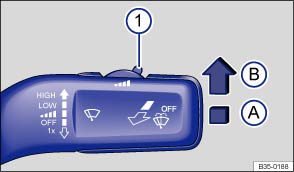
Fig. 89 Windshield wiper lever: Adjusting the rain sensor ① (if equipped).
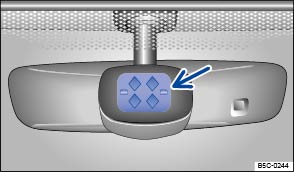
Fig. 90 Inside the front windshield above the inside mirror: Sensitive rain sensor surface (arrow).
Read and follow the introductory information and safety information first
When switched on, the rain sensor (if equipped) automatically shortens or lengthens the time between wiping intervals depending on how hard it is raining . The rain sensor's sensitivity can be adjusted manually .
After switching the ignition off and back on again, the rain sensor stays on and works again when the wiper lever is in position Ⓑ.
Activating and deactivating the rain sensor
- Position Ⓐ: Rain sensor off (windshield wiper lever home position).
- Position Ⓑ: Rain sensor active - automatic wiping as needed.
After switching the ignition off and back on again, the rain sensor stays on and works again when the wiper lever is in position Ⓑ.
Setting the rain sensor's sensitivity
The rain sensor's sensitivity can be adjusted manually .
- Move switch to the right – high sensitivity.
- Move switch to the left – low sensitivity.
If there are changes in the way the rain sensor works
The rain sensor may misread what is happening in the detection zone of its sensitive rain-sensor surface (arrow) and not work for a number of reasons, which may include:
- Worn out wiper blades: Worn out wiper blades may leave a film of water or wiping streaks; this can cause the wipers to run longer, to wipe more often, or to wipe continuously at high speed.
- Insects: Insects hitting the windshield may trigger the wipers.
- Salt streaks: Salt streaks on the windshield from winter driving can cause wiping more often or continuously on glass that is almost dry.
- Dirt: Caked-on dust, wax, any other buildup on the windshield (lotus effect), or car-wash detergent residue can lower the rain sensor's sensitivity and cause it to react too slowly or not at all.
- Crack or chip in the windshield: If a stone hits and chips the windshield while the rain sensor is on, this will trigger a wiper cycle. After that, the rain sensor will recognize the change and recalibrate itself to respond to the sensitive surface's reduced detection zone. Depending on the size of the chip, the sensor's reaction pattern may or may not change.
WARNING
The rain sensor cannot always recognize rain and activate the wipers.
- Switch the wipers on manually when water on the windshield reduces visibility.
Clean the rain sensor's sensitive surface (arrow) regularly and check the wiper blades for wear or damage.
To remove wax and coats of polish safely, Volkswagen recommends using an alcohol-based windshield cleaner.
Download Manual