Exterior care and cleaning
 Introduction to the subject
In this chapter you will find information on the following subjects:
Regular and expert care helps to preserve the value of your vehicle. Such expert care may also be one of the requirements of your New Vehicle Limited Warranty if corrosion repair or repainting is necessary.
Vehicle care products are available from your authorized Volkswagen dealer or authorized Volkswagen Service Facility.
More information:
- Power locking system
- Power windows
- Windshield wipers and washer
- Working in the engine compartment
- Interior care and cleaning
- Parts, accessories, repairs, and modifications
 WARNING
Vehicle care products can be dangerous. Improper use can cause accidents, burns, poisoning, or other serious personal injuries.
- Always store vehicle care products only in original containers that are securely closed.
- Always read and heed all the instructions and all WARNINGS on the package.
- To reduce the risk of poisoning, never use empty food or beverage containers that might mislead someone into drinking from them.
- Always keep vehicle care products out of the reach of children.
- Always use such products outdoors or in well-ventilated areas, because harmful vapors may be released when these products are used.
- Never use fuel, turpentine, engine oil, nail polish remover or other volatile fluids for vehicle care. They are poisonous and highly flammable.
WARNING
Improper care and cleaning of vehicle components can impact the safety features of the vehicle and cause severe injuries.
- Always clean and maintain vehicle components according to manufacturer's instructions.
- Only use approved or recommended cleaners.
 NOTE
NOTE
Vehicle care products containing solvents can damage plastics and other vehicle the materials.

Wash the vehicle only at specifically designated wash locations to help prevent water contaminated with oil, grease and fuel from entering the storm drain sewer system. In some areas it is against the law to wash motor vehicles anywhere than other than at specified designated car washing locations.
When buying vehicle care products, try to choose those that are not harmful to the environment.
Never throw out vehicle care products with ordinary household waste. Always read and heed all the instructions and all WARNINGS on the package.
Washing the vehicle
Read and follow the introductory information and safety information first
The longer insect splatter, bird droppings, tree sap, road dirt, industrial deposits, tar, soot, road salt, and other aggressive materials stay on your vehicle, the more damage they do to the paint finish. High temperatures (including strong sunlight) increase the corrosive effects. The vehicle underbody should also be washed regularly and thoroughly.
Car wash
Pay close attention to the information provided by the car wash operator. Before going through a car wash, be sure to take the usual precautions to help prevent damage, such as closing the windows, folding back the outside mirrors, etc. If you have installed additional accessories on the vehicle, such as a spoiler, a roof rack, or an antenna, always ask the car wash operator if this poses a problem .
The paint finish is tough enough that the vehicle can normally be washed without problems in an automatic car wash. However, the effect on the paint depends to a large extent on the type of car wash. Volkswagen recommends using brushless car wash facilities.
To remove wax residue from the windows and avoid jerky windshield wiper movement, heed the following tips .
Washing by hand
When washing by hand, first soften the dirt with plenty of water and then rinse off as much dirt as possible.
Then clean the vehicle with a soft sponge, a washing mitt or brush using only light pressure. Start on the roof and work down. Use special shampoo only on hard-to-remove dirt or grime.
Rinse the sponge or glove thoroughly and often.
Clean the wheels and under the door sills last. Use a different sponge or wash mitt.
WARNING
After the vehicle has been washed, the wet brakes or, in winter, brake discs or pads coated with ice, react slower and need longer stopping distances.
- Always dry the brakes and clean off any ice coatings with a few careful applications of the brake. Make sure not to endanger other motorists or cyclists or disobey legal requirements.
 CAUTION
Sharp edges under the vehicle can cut exposed skin.
- Always protect your hands and arms from cuts on sharp metal edges when cleaning the underbody, the inside of the wheel housings, etc.
NOTE
- The water temperature must not be more than +140 °F (+60 °C).
- To help prevent damage to the paint, do not wash the vehicle in direct sunlight.
- Do not use insect sponges, abrasive kitchen sponges or similar things to clean the vehicle. These can damage the paint finish.
- Never clean headlights with a dry cloth or sponge. Always use a wet cloth or sponge. For best results use soapy water.
- When washing or rinsing the vehicle in cold weather, do not let water get into the lock cylinders or point the hose at gaps around the doors, hood, or rear hatch. The water could freeze on the locks and seals and make it difficult to open the vehicle!
- When outside temperatures are low, wipe the rubber seals and their contact surfaces dry to help prevent freezing.
NOTE
To help prevent vehicle damage in a car wash:
- Compare the vehicle track width with the dimensions of the guide rails in the car wash to help prevent damage to wheel rims and tires!
- Switch off the rain sensor before driving the vehicle through a car wash .
- Make sure there is enough clearance for the height and width of the vehicle.
- To help prevent paint damage to the engine hood, place wiper blades against the windshield after they have dried. Do not let them snap back into place.
- Fold the outside mirrors toward the vehicle body.
- Lock the rear hatch to help prevent unintentional opening in the car wash.
Washing with a power washer
Read and follow the introductory information and safety information first
Always follow the instructions for the power washer. This especially applies to the pressure and spraying distance .
Make sure there is enough distance to soft materials such as rubber hoses or insulating material as well as the sensors of the Park Distance Control system (if equipped). The Park Distance Control system sensors can be found in the rear and, if applicable, front bumper .
Make sure there is enough distance to soft materials such as rubber hoses or insulating material.
Never use concentrated jet nozzles or so-called dirt blasters .
Never use a power washer to clean the engine compartment .
WARNING
Improper use of power washers can cause serious invisible permanent damage leading to tire failure and loss of vehicle control. This can cause accidents and severe personal injury.
- Keep sufficient distance between water jet and tires. Never wash tires with a nozzle that sprays the water out in a direct stream regardless of the distance to the tire and even for a very short time.
- Never use dirt blasters to clean tires. Even spraying from a relatively long distance for a very short time can do visible or invisible damage to tires.
WARNING
After the vehicle has been washed, the wet brakes or, in winter, brake discs or pads coated with ice, react slower and need longer stopping distances.
- Always dry the brakes and clean off any ice coatings with a few careful applications of the brake. Make sure not to endanger other motorists or cyclists or disobey legal requirements.
NOTE
- Water temperature should not be more than +140 °F (+60 °C).
- To help prevent damage to the paint, do not wash the vehicle in direct sunlight.
- In order for Park Distance Control to work correctly, the sensors in the rear bumper must be kept clean and clear of snow and ice.
- When using a power washer or steam cleaner, only spray the sensors directly for a short period of time and always keep the nozzle at least 4 inches (10 cm) from the sensor.
- Do not clean icy or snow-covered windows with a power washer.
- When washing or rinsing the vehicle in cold weather, do not let water get into the lock cylinders or point the hose at gaps around the doors, hood, or rear hatch. The water could freeze on the locks and seals and make it difficult to open the vehicle!
Cleaning windows and outside mirrors
Read and follow the introductory information and safety information first
Cleaning windows and outside mirrors
Spray windows and outside mirrors with a commercially available alcohol-based window cleaner.
Dry windows and mirrors with a clean chamois or a lint-free cloth. Do not use a chamois that has been used to wipe painted surfaces because it will have absorbed an oily residue that will smear the glass surfaces.
Use window cleaner or a silicone remover to remove rubber, oil, grease and silicone deposits .
Removing wax residue
Automatic car washes and vehicle care products can leave a wax residue on all glass surfaces. These wax residues can only be removed with special cleaners or cleaning cloths. Wax residue left on the windshield can cause the windshield wipers to grab and squeak instead of gliding smoothly. We recommend that after every car wash you remove any wax residue left on the windshield with a window cleaning cloth/chamois - G 052 522 A1 - or equivalent.
Windshield wiper squeak and grab can be reduced by filling the windshield washer fluid tank with a wiper fluid containing wax-removing agents. Make sure to maintain the proper mixing ratio when refilling the washer fluid tank. Grease-removing cleaning agents cannot remove wax residue .
Windshield cleaners, special cleaners, and cleaning cloths are available from your authorized Volkswagen dealer and authorized Volkswagen Service Facility.
Removing snow
Remove snow from all windows and outside mirrors with an appropriate brush.
Removing ice
The best way to remove ice is with a deicer spray. When using an ice scraper always scrape in one direction, never back and forth. Dirt can scratch the glass when moving the scraper backward.
WARNING
Dirty or fogged up windows reduce visibility and increase the risk of accidents and severe injuries.
- Don't drive until you have clear visibility through all windows.
- Remove ice, snow and condensation from all inside and outside window surfaces.
NOTE
- Never mix recommended cleaning agents with other cleaning agents in the windshield washer reservoir. If you do, this could cause sediments or other by-products that can clog the windshield washer nozzles.
- Never use warm or hot water to remove snow and ice from windows and mirrors. This could cause the glass to crack!
- The heating elements for the rear defroster are on the inside of the rear window. Do not put stickers over the heating elements on the inside of the rear window and never clean the inside of the windows with corrosive or acidic cleaning agents or other chemicals that could damage the heating elements.
- Antennas installed on the insides of windows can be damaged by abrasive objects or by corrosive or acidic cleaning agents or other chemicals. Do not place any stickers on the windshield-integrated antenna and never clean the antenna with corrosive or acidic cleaning agents or other chemicals.
Cleaning and changing the windshield wiper blades
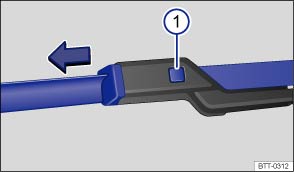
Fig. 159 Changing the windshield wiper blades.
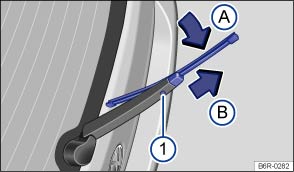
Fig. 160 Changing the rear window wiper blades.
Read and follow the introductory information and safety information first
Factory-installed wiper blades have a graphite coating. The graphite coating lets the wiper blades glide smoothly over the windshield. If this coating is worn or damaged, the wipers may grab or squeak.
Check all wiper blades regularly. Wiper blades that grab and squeak must be replaced if worn or damaged and cleaned if dirty .
Replace worn or damaged wiper blades immediately. Replacement blades may be purchased from any authorized Volkswagen dealer or authorized Volkswagen Service Facility.
Lifting and tilting windshield wiper arms
Move the wiper arms to the service position before lifting them away from the windshield .
It is not possible to lift the wiper arms away from the windshield when they are not in the service position.
When lifting or replacing a wiper blade on a window, grip it only by its mounting and not by the blade itself.
Cleaning the wiper blades
- Lift the wiper arm(s) away from the windshield.
- Using a soft cloth, carefully remove dust and dirt from the wiper blades.
- If the blades are very dirty, carefully clean them with a sponge or cloth .
- Carefully fold the wiper arm back down onto the windshield.
Changing the wiper blades on the windshield
- Lift the wiper arm(s) away from the windshield.
- Press and hold the release button .
- While lifting the wiper blade in the direction of the wiper arm, pull off the wiper blade in the direction of the arrow. This may require moderate force.
- Install a new wiper blade of same length and type onto the wiper arm by pushing in the opposite direction of the arrow until it latches.
- Carefully fold the wiper arm back down onto the windshield.
Changing the rear window wiper blade
- Lift the wiper arm away from the window.
- Press and hold the release button .
- While lifting the wiper blade in the direction of the wiper arm (arrow Ⓐ), pull off the wiper blade in the direction of the arrow Ⓑ. This may require moderate force.
- Install a new wiper blade of the same length and type onto the wiper arm by pushing in the opposite direction of the arrow until it latches.
- Carefully fold the wiper arm back down onto the window.
WARNING
Worn or dirty wiper blades reduce visibility and increase the risk of accidents and severe injuries.
- Always change wiper blades if they are damaged or worn, and if they cannot clean the windows sufficiently.
NOTE
- Damaged or dirty wiper blades can scratch the windshield.
- Solvents, abrasive sponges and sharp-edged objects will damage the graphite coating on the wiper blades.
- Do not clean the windows with gasoline, nail polish remover, paint thinner or similar fluids.
- To help prevent damage to the engine hood and the windshield wiper arms, lift the wiper arms away from the windshield only when they are in the service position.
Waxing and polishing vehicle paint
Read and follow the introductory information and safety information first
Waxing
A good coat of wax helps to protect the vehicle paint. When water no longer forms small drops and runs off when the paint is clean, apply a new coat of good hard wax to protect the vehicle again.
Even if a wax solution is used regularly at the car wash, Volkswagen recommends applying a coat of hard wax at least twice a year to protect the paint.
Polishing
Polish your vehicle if the paint has lost its shine and the gloss cannot be brought back with wax.
The vehicle must be waxed after polishing if the polish used does not contain wax compounds to seal the paint.
NOTE
- To help prevent damage, do not use hard wax or polish on matte-finished parts, plastic parts, headlights or rear lights.
- Do not wax or polish your vehicle if it is dirty, or in a sandy or dusty place.
Caring for and cleaning chrome and aluminum parts
Read and follow the introductory information and safety information first
- Clean the surface using a clean, soft, lint-free cloth dampened with water.
- If the surface is especially dirty, use a special solvent-free cleaning material.
- Then polish chrome and aluminum parts with a soft, dry cloth.
NOTE
To help prevent damage to chrome and aluminum parts:
- Do not clean or polish in direct sunlight.
- Do not clean or polish in sandy or dusty places.
- Do not use abrasive cleaners or abrasive sponges.
- Do not polish dirty surfaces.
- Do not use cleaning materials that contain solvents.
- Do not use hard wax.
NOTE
Chrome wheel covers and hubcaps can have an extra coating. Do not treat them with chrome care or polishing products. Use regular paint care and polishing products.
Cleaning wheel rims
Read and follow the introductory information and safety information first
Cleaning steel wheels
Stubborn brake dust can be removed with an industrial cleaner. Clean steel wheels regularly with a separate sponge.
Repair any paint damage on steel wheels before rust begins to form.
Cleaning alloy wheels
Every 2 weeks: Wash road salt and brake dust off alloy wheels, and clean the wheels with an acid-free detergent. Every 3 months: Volkswagen recommends applying a hard wax compound to the wheels.
If road salt and brake dust are not removed regularly, they can corrode the metal.
Use an acid-free detergent specifically designed for light alloy wheels. Do not use car polish or other abrasive products.
If the protective coating is damaged, for example by stone impact, repair the damaged area right away.
Caring for rubber door and window seals
Read and follow the introductory information and safety information first
The rubber seals around the doors and windows will stay soft and flexible, seal better and last longer if the seals are treated regularly with a suitable rubber care product.
Before applying the treatment, use a soft cloth to remove dust and dirt from the rubber seals.

Do not apply any rubber care products to the rubber seals on the body in the areas around the windows in the driver and front passenger doors. The product could run down onto the windows and smudge them.
Deicing door lock cylinders
Read and follow the introductory information and safety information first
Volkswagen recommends using only genuine Volkswagen deicer spray with lubricating and anti-corrosive properties to deice door lock cylinders.
NOTE
Lock deicers that contain grease solvents can cause the lock cylinder to rust.
Undercoating
Read and follow the introductory information and safety information first
The vehicle underbody is coated to help protect it from corrosion and damage. The undercoating could be damaged during normal use. We therefore recommend that you have the protective coatings on the underbody and suspension inspected regularly, and repaired if necessary.
WARNING
Undercoating and rustproofing products can catch fire on the hot exhaust system or any other hot engine component.
- Never apply additional undercoating or rust proofing on or near the exhaust manifold, the exhaust pipes, the catalytic converter, the heat shields, or any other hot vehicle component.
Cleaning the engine compartment
Read and follow the introductory information and safety information first
The engine compartment of a vehicle is a dangerous area .
If necessary, the engine compartment should be cleaned by an authorized Volkswagen dealer or authorized Volkswagen Service Facility. Incorrect cleaning procedures could remove corrosion protection and damage electrical components, among other things. In addition, water could enter directly into the vehicle interior through the plenum chamber .
Never use a power washer to clean the engine compartment .
If the engine compartment is extremely dirty, have it cleaned professionally by your authorized Volkswagen dealer or authorized Volkswagen Service Facility.
Plenum chamber
The plenum chamber is located in the engine compartment between windshield and engine, under a perforated cover. Outside air is taken into the vehicle interior from the plenum chamber via the climate control system.
Regularly remove leaves and other loose objects from the plenum chamber cover by hand or with a vacuum cleaner.
WARNING
Injuries, scalding, electric shock, accidents, and fire hazards can occur while working on the engine or in the engine compartment!
- Before working in the engine compartment, be sure to familiarize yourself with the necessary procedures and generally accepted safety precautions .
- Volkswagen recommends having the work performed by an authorized Volkswagen dealer or authorized Volkswagen Service Facility.
NOTE
Spraying or pouring water (for example, with a power washer) into the plenum chamber can cause severe damage to the vehicle.
Wash the engine compartment only in special wash bays so that the oily dirt and fuel residue that are washed off the vehicle will not enter the sewage system. In some areas it illegal to wash the engine compartment anywhere other than at such specified locations.
Download Manual