Performance and Maintenance
The vehicle has a Traction Control System (TCS) that limits wheel spin and the StabiliTrak system that assists with directional control of the vehicle in difficult driving conditions. Both systems come on automatically when the vehicle is started and begins to move.
 on the center stack.
The traction off light i displays in the instrument cluster. The
appropriate Driver Information Center (DIC) message displays.
StabiliTrak, press and hold  until i and
  illuminate in the instrument cluster and the
appropriate DIC message displays.
 again to turn on both systems.
StabiliTrak will automatically turn on if the vehicle exceeds 56 km/h (35 mph). Traction control will remain off.
See Traction Control/Electronic Stability Control 0 276.
This vehicle may have a Tire Pressure Monitor System (TPMS).
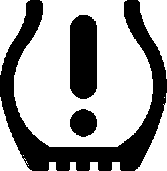
The low tire pressure warning light alerts to a significant loss in pressure of one of the vehicle's tires. If the warning light comes on, stop as soon as possible and inflate the tires to the recommended pressure shown on the Tire and Loading Information label. See
Vehicle Load Limits 0 239. The warning light will remain on until the tire pressure is corrected.
The low tire pressure warning light may come on in cool weather when the vehicle is first started, and then turn off as the vehicle is driven. This may be an early indicator that the tire pressures are getting low and the tires need to be inflated to the proper pressure.
The TPMS does not replace normal monthly tire maintenance. Maintain the correct tire pressures.
See Tire Pressure Monitor System
0 394.
Tire Fill Alert (If Equipped)
This feature provides visual and audible alerts outside the vehicle to help when inflating an underinflated tire to the recommended cold tire pressure. See “Tire Fill Alert (If Equipped)” under Tire Pressure Monitor Operation 0 395.
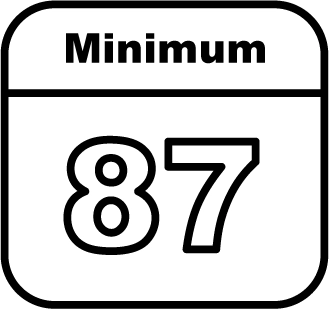
Regular Fuel
Use only unleaded gasoline rated 87 octane or higher in your vehicle. Do not use gasoline with an octane rating lower as it may result in vehicle damage and lower fuel economy. See Fuel 0 292.
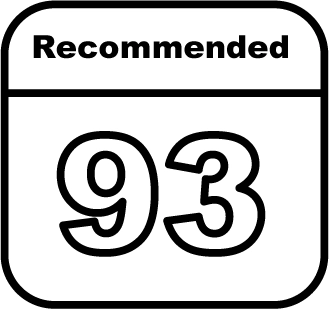
Premium Recommended Fuel
Use premium 93 octane unleaded gasoline in your vehicle. Unleaded gasoline with an octane rating as low as 87 may be used, but it will reduce performance and fuel economy. See Fuel 0 292.
For diesel vehicles, do not use gasoline. See “Fuel for Diesel Engines” in the Duramax diesel supplement.
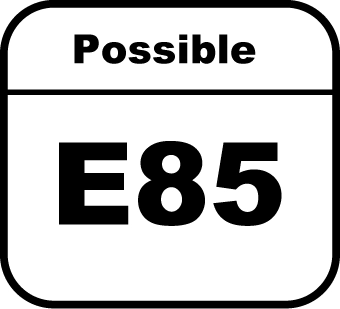
FlexFuel Possible
Certain models are compatible with E85 fuel. See E85 or FlexFuel
0 293.
The engine oil life system calculates engine oil life based on vehicle use and, on most vehicles, displays a DIC message when it is necessary to change the engine oil and filter. The oil life system should be reset to 100% only following an oil change.
Resetting the Oil Life System
To reset the engine oil life system:
The oil life system can also be reset as follows:
See Engine Oil Life System 0 346.
Driving habits can affect fuel mileage. Here are some driving tips to get the best fuel economy possible.
U.S.: 1-800-243-8872
TTY Users (U.S. Only):
1-888-889-2438
Canada: 1-800-268-6800
New Chevrolet owners are automatically enrolled in the Roadside Assistance Program.
See Roadside Assistance Program
Download Manual