Disclaimer: Not affiliated with or endorsed by Ford Motor Company. For informational purposes only. Full Disclaimer
How to Fix the Ford Flex Shift System Fault - Most Common Cause Solved
Updated:
A Ford Flex displaying a shift system fault on the message center is a common issue many owners have come across. If your Ford Flex refuses to come out of park, or if when you attempt to move the shifter into the drive position and it simply flashes before returning to park, you’re likely seeing a "shift system fault service required" message on your instrument cluster. Fear not, my motoring enthusiasts, for today we're delving deep into the guts of the Ford Flex to remedy this pesky problem.
How to Fix a Ford Flex Shift System Fault - Step-by-Step Guide
Diagnostic Check
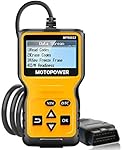
Start your diagnosis by extracting all the error codes. You might use tools like Forscan on your mobile device for this.
Keep an eye out for these error codes, specifically:
- P175B: Indicates the transmission range control module shift cable might be disconnected or misadjusted.
- P0814: A warning sign that the gearshift module might not be detecting the illumination of the gear indicator.
- P177A & P177B: Pointers to potential problems with the transmission range selector motor.
Shop From Amazon


Visual Inspection

With your toolbox at the ready and a hint of excitement in the air, it’s time to roll up those sleeves. Pop the hood of your Ford Flex and inspect the transmission shift linkage and cable.
This might be slightly tricky, but deep inside, where the shift arm exits the transmission, you'll find where the shift cable attaches.
You'll recognize a brown component – that's the end of the shift cable. Right beneath this is the arm and the ball socket. Ideally, a plastic bushing should be snugly fitted into the large hole at the cable’s end, with the transmission shift arm's ball socket snapped onto it.
The Culprit
In most cases, the bushing at the end of the shift cable deteriorates or breaks, rendering the shifting mechanism useless. Because of this minor component's failure, your robust Ford Flex might be rendered immobile.
Temporary Solution
If you’re ever caught off-guard by this in the middle of nowhere, here's a quick trick. Reconnect the end of the cable back over the ball. While this isn’t a permanent fix, it might just be enough to shift the car into drive, allowing you to safely return home or to the nearest service station.
The Fix

The definitive solution to this issue is replacing the shift bushing. The new shift bushing should be firmly pressed into the cable's end.
Using a pair of pliers, or even better, long needle-nose pliers combined with a socket, press the bushing into the cable. Once this is done, snap it onto the transmission arm.
And there you have it! With a sprinkle of patience, a dash of mechanical know-how, and this guide by your side, your Ford Flex should be shifting smoother than a buttered eel in no time. Remember, it's not about the scale or cost of the part but understanding its role in the grand orchestra of automotive engineering. And if you ever need more tips or advice, keep your engines revving and come back for more. Happy driving!

Nick Marchenko, PhD
Industrial Engineer & Automotive Content Specialist
Nick writes in-depth guides on car clubs, engine specs, vehicle ownership, and modifications, combining engineering knowledge with automotive passion.
Full profile → LinkedIn →You May Also Like
Guide to Resolving Ford Flex Tire Pressure Sensor Fault
2 years agoFor those of us working on the Ford Flex model, one common issue encountered is the "tire pressure sensor fault" alert. As seasoned mechanics, we know the intricacies of vehicular systems, a...
What Does p3497 Ford Flex mean?
2 years agoIn layman's terms, the p3497 diagnostic trouble code essentially indicates an issue with the cylinder deactivation system in Bank 2. You might be wondering, "What exactly does this signify?&q...
Here Are The 5 Ford Flex Years to Avoid
3 years agoAre you considering buying a Ford Flex? While this car may look sleek and stylish, it's important to be aware of the potential issues that come with it. From problems with the engine and electric...
Fixing The "Starting System Fault" on a Ford Flex: A Step-by-Step Guide
2 years agoToday, let's dive deep into that irksome "Starting System Fault" alert which, if left unchecked, could leave you stranded at the least opportune time. Trust me, it's a journey well w...
Ford Flex "Transmission Fault Service Now": Causes and Fixes
2 years agoToday we're going to break down a common issue many face with the Ford Flex transmission, and trust me, it's simpler than it sounds. Ever felt your RPMs acting up? Here’s a step-by-step,...
How to Fix Ford Flex Brake Lamp Bulb Fault
2 years agoAre you getting a "brake lamp bulb fault" message flashing up on the dashboard of your trusty Ford Flex? Worry not, fellow driving enthusiast, because today we're going to walk through t...