Disclaimer: Not affiliated with or endorsed by Ford Motor Company. For informational purposes only. Full Disclaimer
What Does p3497 Ford Flex mean?
Updated:
In layman's terms, the p3497 diagnostic trouble code essentially indicates an issue with the cylinder deactivation system in Bank 2. You might be wondering, "What exactly does this signify?" To clarify, it suggests a potential problem in the engine Bank 2 of the cylinder deactivation mechanism for your Ford Flex.
It's possible that the engine oil is either running low or is contaminated. There's also a chance that faulty wiring might be initiating the code. In most scenarios (around 90% of the time), this issue will illuminate the check engine light and you might notice increased fuel consumption. It's imperative to address this issue promptly to ensure your Ford Flex runs optimally.
Understanding the p3497 Code in the Context of Ford Flex
As touched upon earlier, the DTC p3497 pertains to a fault in engine Bank 2 of the cylinder deactivation system. This system, also known as variable displacement, is designed to save fuel. There are instances when the engine doesn't need its full horsepower, allowing the cylinder deactivation system to step in. If the system acts up, the PCM will record the p3497 code.
The PCM registers the code P3497 when it spots irregular behavior in the cylinder deactivation system or if it fails to activate the cylinder deactivation system for engine bank 2.
Deciphering the Code

For a deeper dive, here's the explanation of the code.
- The 'P' relates to PowerTrain.
- 3497 points to an issue within the cylinder deactivation system.
Potential Causes for the P3497 Code in Ford Flex
Let's delve into the potential reasons behind the p3497 code.
- Initially, the code can be set off due to a deficient engine oil level or pressure.
- Another possibility is if your engine oil is overly filthy, especially if it hasn't been checked in a while. Dirty engine oil can indeed activate the code.
- Occasionally, the engine oil might be just fine, and the problem could stem from circuit issues. This includes bad connections or broken wires.
- There are times when the culprit is a malfunctioning cylinder deactivation system sensor or a PCM failure.
- In some instances, it's purely mechanical, attributed to deteriorating components.
Typical Symptoms for Ford Flex P3497

- Let's shed light on the usual signs you'd observe when the PCM identifies the p3497 code.
- Primarily, you'd notice an illuminated check engine light on your Ford Flex's dashboard.
Furthermore, a decline in engine performance and increased fuel consumption can be evident.
How Do I Address the p3497 Code for the Ford Flex?
Alright, gearheads! Let's dive deep into how you tackle that pesky p3497 code for your Ford Flex.
Monitor that Engine Oil Level

To keep that Flex purring like a beast, you've got to ensure the oil is right in the sweet spot. If it's off, the VCM system might just throw a fit, and nobody wants that.
Keep an Eye on the Engine Oil Grade
You don't just want oil; you want the right grade, in prime condition. When the time comes, don't hesitate, swap it out. Low-quality or dirt-laden oil? That's like feeding your Flex junk food.
Shop From Amazon


Gauge the VCM Solenoids
When we talk cylinder control, VCM is kingpin. So, inspect those solenoids for any mischief. If you spot trouble, don't sleep on it – replace those bad boys.
Wire Check – Make Sure They're Right & Tight
Like I always say, it can come down to those wires. If you find any that have seen better days, don't risk it. Fix 'em up good.

So, What's the Damage? – Cost to Fix P3497 on Ford Flex
Look, costs can swing based on the problem's root. Labor usually ranges from $60 to $100 an hour. If you're up for an oil switcharoo, budget around $70 or up. Replacing the entire cylinder deactivation system? That's a chat with your local gearhead.
Should I Keep Cruising in My Ford Flex with P3497?
Hate to be the bearer of bad news, but that OBD2 fault code P3497 isn't something to brush off. Roll with it for too long, and your Flex could go from purring to sputtering.
Quickfire Questions
How do I sniff out the p3497 code?
Sure, you could drive over to a trusted mechanic – or, if you're feeling hands-on, grab an OBD2 scanner and get to it.
Shop From Amazon
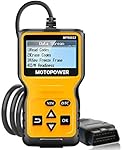


How often should I switch up the Flex's engine oil to dodge p3497?
If you're pushing between 7500 to 10,000 miles in that Flex, maybe swing by a mechanic. Check if that oil's still golden or if it's time for a change.

Nick Marchenko, PhD
Industrial Engineer & Automotive Content Specialist
Nick writes in-depth guides on car clubs, engine specs, vehicle ownership, and modifications, combining engineering knowledge with automotive passion.
Full profile → LinkedIn →You May Also Like
Here Are The 5 Ford Flex Years to Avoid
3 years agoAre you considering buying a Ford Flex? While this car may look sleek and stylish, it's important to be aware of the potential issues that come with it. From problems with the engine and electric...
Guide to Resolving Ford Flex Tire Pressure Sensor Fault
2 years agoFor those of us working on the Ford Flex model, one common issue encountered is the "tire pressure sensor fault" alert. As seasoned mechanics, we know the intricacies of vehicular systems, a...
How to Fix the Ford Flex Shift System Fault - Most Common Cause Solved
2 years agoA Ford Flex displaying a shift system fault on the message center is a common issue many owners have come across. If your Ford Flex refuses to come out of park, or if when you attempt to move the shif...
Fixing The "Starting System Fault" on a Ford Flex: A Step-by-Step Guide
2 years agoToday, let's dive deep into that irksome "Starting System Fault" alert which, if left unchecked, could leave you stranded at the least opportune time. Trust me, it's a journey well w...