Disclaimer: Not affiliated with or endorsed by Ford Motor Company. For informational purposes only. Full Disclaimer
Guide to Resolving Ford Flex Tire Pressure Sensor Fault
Updated:
For those of us working on the Ford Flex model, one common issue encountered is the "tire pressure sensor fault" alert. As seasoned mechanics, we know the intricacies of vehicular systems, and sometimes these need a little hands-on tweaking.
Diagnosing the Issue
When dealing with the Ford Flex, we're often working with advanced tire pressure monitoring sensors. These sensors, like all electronics, can deteriorate over time, mainly due to their internal batteries' natural life span. Since these units are hermetically sealed, direct battery replacement isn't an option. Instead, we're looking at a full sensor swap.
Initial Checks and Quick Fixes

Before diving deep into diagnostics, consider that if the sensors are relatively new, they might have momentarily lost sync with the system. A quick remedy here is to press the hazard button three times rapidly. If the vehicle's horn sounds, it's trying to reconnect with the front left tire sensor. Either using a strong magnet or letting out a pound of air from the said tire can aid this process. If the system reconnects, it'll prompt for the subsequent sensors. If this doesn't resolve the alert, it's time to get technical.
Shop From Amazon


Technical Resolution

Tools & Equipment
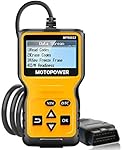
Make sure you have the ELM 327 OBD2 interface. I'd recommend the wired version over Bluetooth. This tool is our go-to for interpreting and addressing the electronic parameters of vehicles.
Software Installation
On your diagnostic laptop, ensure you have the FORScan software installed. Although it comes with an activation step, it's generally free for an initial period. Remember, there might be a slight delay in receiving the activation code, but it's worth the wait.
Connecting Hardware to Software
Once FORScan is up and running, connect the OBD2 interface. The software should start retrieving data from the Ford Flex.
Shop From Amazon


Adjusting Configuration Settings
Within FORScan, head to the computer chip symbol tab. This section is our gateway to system configurations. In the module tab, pinpoint and select "gm sjb" and then activate its play button. Now, scroll to the "tire pressure monitor is enabled" option. Give it a double-click, and adjust the status from 'enabled' to 'disabled'.
Sealing the Deal
Hit 'write' to save these tweaks to the Flex's ECU. You might need to cycle the ignition once or twice, but once done, that pesky alert should vanish.
Conclusion
Do note that this process deactivates the tire pressure monitoring system. While the warning is gone, the function won't alert in case of any tire pressure issues. Therefore, advise the vehicle owner to be diligent with regular manual tire pressure checks.
For any fellow mechanics out there, always ensure you're up-to-date with the latest troubleshooting techniques. Here's to fewer fault alerts and more smooth rides!

Nick Marchenko, PhD
Industrial Engineer & Automotive Content Specialist
Nick writes in-depth guides on car clubs, engine specs, vehicle ownership, and modifications, combining engineering knowledge with automotive passion.
Full profile → LinkedIn →You May Also Like
What Does p3497 Ford Flex mean?
2 years agoIn layman's terms, the p3497 diagnostic trouble code essentially indicates an issue with the cylinder deactivation system in Bank 2. You might be wondering, "What exactly does this signify?&q...
Here Are The 5 Ford Flex Years to Avoid
3 years agoAre you considering buying a Ford Flex? While this car may look sleek and stylish, it's important to be aware of the potential issues that come with it. From problems with the engine and electric...
How to Fix the Ford Flex Shift System Fault - Most Common Cause Solved
2 years agoA Ford Flex displaying a shift system fault on the message center is a common issue many owners have come across. If your Ford Flex refuses to come out of park, or if when you attempt to move the shif...
Fixing The "Starting System Fault" on a Ford Flex: A Step-by-Step Guide
2 years agoToday, let's dive deep into that irksome "Starting System Fault" alert which, if left unchecked, could leave you stranded at the least opportune time. Trust me, it's a journey well w...
Ford Flex "Transmission Fault Service Now": Causes and Fixes
2 years agoToday we're going to break down a common issue many face with the Ford Flex transmission, and trust me, it's simpler than it sounds. Ever felt your RPMs acting up? Here’s a step-by-step,...