Disclaimer: Not affiliated with or endorsed by Chrysler Motor Company. For informational purposes only. Full Disclaimer
What Does P0161 Chrysler 300 Mean
Updated:
If you've rolled into this space, chances are the code p0161 has flashed across your Chrysler 300's dashboard, sparking a bit of curiosity - and perhaps, concern. Let’s delve into what this code signifies, along with its roots, symptoms, and remedial approaches, shall we?
Embarking on this journey, Diagnostic Trouble Code p0161 is shorthand for an O2 sensor heater circuit malfunction. In layman’s terms, it implies that your Chrysler 300 is grappling with an issue within the sensor heater circuit of Bank 2, Sensor 2.
Drilling down, it's essentially an issue with the oxygen sensors’ heating element or the wiring. Over time, if dismissed, this small hiccup could cascade into diminished fuel efficiency, and potentially, a spike in emissions. Addressing this code swiftly is pivotal to steering clear of potential internal engine damage.
Key Takeaways
- Diagnostic Trouble Code p0161 indicates a malfunction in the O2 sensor heater circuit, potentially affecting fuel efficiency and emissions in the Chrysler 300.
- Addressing potential catalysts like open O2 sensor heater circuits or a contaminated O2 sensor is vital to resolving the p0161 issue.
- While possible to drive with the p0161 code triggered, doing so could lead to the vehicle not achieving optimal temperature and demands swift professional check-up.
- Engaging in regular vehicle maintenance and opting for original oxygen sensors during replacements are recommended preventative and corrective measures respectively.
Decoding p0161 for Chrysler 300

When p0161 surfaces on a vehicle like Chrysler 300, it signals that the oxygen sensor isn’t warming up to the prescribed levels.
Unpacking this, it means that the PCM has detected a glitch in the heater circuit of the oxygen sensor, nestled in Bank 2 Sensor 2 - usually situated around the catalytic converter. This heater circuit plays a vital role in ensuring the sensor accurately gauges fuel emissions.
Interpreting the First Digit of the Code
Ever ponder about the semantics behind the P0161 code? Let’s unmask it.
- P embarks on PowerTrain territory.
- 0 is a Generic figure, harmonizing with a multitude of vehicles.
- 161 zeroes in on the fuel and air metering, encompassing the oxygen sensor in bank 2 sensor 2.
Root Causes of p0161 for Chrysler 300
We'll dissect the probable catalysts behind this.
- An Open O2 sensor heater power circuit might be the offender.
- An Open O2 sensor heater ground circuit could be another contender.
- O2 sensor contamination isn't out of the realm of possibility.
- On occasion, a faulty O2 sensor paired with a malfunctioning PCM can also flip the p0161 switch.
Typical Symptoms of p0161 on Chrysler 300
Now, a few heralds might forewarn you even before a diagnostic does.
The initial whisper of p0161 lighting up your Chrysler 300 is typically a sudden flicker of the check engine light. Most often, this lone soldier is the sole symptom that rears its head upon triggering this code.
Moreover, there’s a chance that the vehicle's emission output might crank up a notch in the presence of a p0161 disruption.
Shop From Amazon
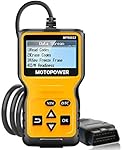


Fixing the p0161 Code for Chrysler 300: A Quick Guide
Let’s dive under the hood and explore some foundational steps to navigate through and rectify the root cause of p0161 for your Chrysler 300. But remember, always get a green light from your manufacturer or a skilled mechanic before getting your hands dirty.
Investigating the O2 Sensor and Additional DTC

Start with a meticulous check for any additional DTCs and a thorough inspection of the O2 sensor, ensuring to eye over its associated wiring too. If the O2 sensor has faced its demise, replacement is the route. Conversely, if the wiring is singing blues, then repair is the tune.
Fuse Check Time
Remember that the O2 Sensor heater relies on several fuses. Dive into that fuse check, scrutinizing each for potential issues. Typically, Chrysler 300 models house their fuse box in the engine bay, shrouded in a black plastic box, secured with various clips.

Scour through the service manual to pinpoint the fuse tightly tied to the O2 sensor heater. Extract it, inspect, and should you hear a rattle, then replacement is your answer.
Examining Sensor and Circuit Resistance
If the O2 sensor is in the clear, your next assignment is checking the sensor’s resistance, calling for a digital multimeter. Concurrently, ensure the circuit resistance isn’t throwing a wrench in the works. If either raises eyebrows, replacement is on the cards.
Refurbish or Substitute the PCM
Occasionally, the PCM might be the mischief-maker. If it’s harboring issues, you're looking at either a reflash or an outright replacement.
Pricing the Fix for P0161
Exploring cost, a fuse replacement might have you forking out around $20. If the circuit wiring is causing chaos, anticipate a bill landing between $200 and $300. If the O2 sensor is the culprit, costs might climb up to $200.
Shop From Amazon


Can I Drive My Chrysler 300 with the p0161 Code Illuminated?
Yes, you can continue driving your Chrysler 300 even with the p0161 code flickering. The check engine light will light up the dashboard without physically hampering the drive. However, optimal temperature will be a miss, making it paramount to consult a professional posthaste.
FAQs
How Do I Ensure the P0161 Code Doesn’t Pop Up Again?
Commit to regular vehicle maintenance checks and avoid driving with a misfiring engine as it could sow the seeds for the code to spring up down the line.
Is an Aftermarket Oxygen Sensor a Viable Replacement?
Absolutely, you can opt for an aftermarket oxygen sensor. However, the original usually steals the spotlight in recommendations.

Nick Marchenko, PhD
Industrial Engineer & Automotive Content Specialist
Nick writes in-depth guides on car clubs, engine specs, vehicle ownership, and modifications, combining engineering knowledge with automotive passion.
Full profile → LinkedIn →You May Also Like
Chrysler 300 Free VIN Decoder & Lookup
2 years agoUsing our decoder guide, you will know where and when your Chrysler vehicle was made and what features or technologies were in the particular build. The VIN code frequently provides more data than...
How To Change Brake Light Bulb On 2014 Chrysler 300
2 years agoChanging the brake light on a 2014 Chrysler 300 doesn’t require a PhD in Advanced Mechanism, nor do you have to be a descendant of Henry Ford. Just follow these rather uncomplicated steps and yo...
Here Are The 5 Chrysler 300 Years to Avoid
3 years agoHave you ever considered buying a Chrysler 300? While it may look sleek and stylish on the outside, this car has a laundry list of issues that you should be aware of before making a purchase. From fau...
Adding Glamor to Your Car: An All-Inclusive Guide to Ceramic Coating Your Chrysler 300
2 years agoApplying a ceramic coating to your Chrysler 300 is similar to giving it a shield that protects its paint from road abrasions and improves its appearance. With the help of this cutting-edge paint pr...
How To Chrysler 300 Brake Light Fail - DIY Guide
2 years agoDealing with a malfunctioning brake light in a Chrysler 300 can be a bit of a puzzle. However, with a methodical approach and a few basic tools, you can often solve this problem yourself. Here’s...
Why is my ABS Light on in my Chrysler 300 - Causes and How to Fix
2 years agoHey, the owner of the Chrysler 300! Nothing kills the joy of cruising down the road like seeing that pesky ABS light illuminating on your dashboard. But don't worry because we are here to explain...