Disclaimer: Not affiliated with or endorsed by Honda Motor Company. For informational purposes only. Full Disclaimer
How To Prepare Honda CR-V For Towing
Updated:
Your Honda CR-V is designed for versatility and reliability. Not only is it a comfortable vehicle for daily commutes, but it’s also capable of towing—whether that’s a small trailer for your weekend getaway or even another vehicle in a pinch.
While towing may appear straightforward, it does place significant demand on your CR-V and requires attentive driving.
Therefore, it’s important to properly prepare your CR-V for towing by installing the right equipment and ensuring the vehicle is in prime condition. This is crucial for your comfort as well as the safety of everyone on the road.
Key Takeaways
- The Honda CR-V's towing capacity is influenced by several factors, such as engine power, transmission type, the vehicle’s size and weight, the drive type, and the overall design and structure of the SUV.
- Preparing your Honda CR-V for towing is critical and involves ensuring that all equipment is properly checked and adjusted, including visibility, braking, engine performance, fuel levels, and emergency supplies.
- When towing, adhere to specific guidelines and precautions, such as verifying that the towed load is within the CR-V’s capacity and selecting a suitable towing method.
- Different transmission types require different considerations when towing. For example, vehicles with automatic transmissions may need a tow dolly to prevent transmission damage.
What is towing?
Towing involves pulling another object, like a trailer, boat, or vehicle, using your Honda CR-V.
To tow, you must connect your CR-V to the trailer with a towing hitch or coupling device.
Can any weight be towed by a Honda CR-V?

Most Honda CR-V models are capable of towing, with the primary variable being the amount of weight they can safely pull.
The towing capacity of a Honda CR-V is contingent on factors such as:
Engine Capacity
The CR-V’s towing capabilities hinge on the engine’s power and torque. Engines with higher power and torque can manage heavier loads.
Transmission Type
Manual or automatic transmission types can affect the towing capacity. Automatic transmissions often offer superior towing due to their torque converter design.
Size and Weight
Larger and heavier CR-V models generally offer better towing capacity. Vehicles with a sturdy body-on-frame construction provide increased towing stability.
Drive Type
The drive system of the CR-V—be it FWD, RWD, or AWD—affects towing capacity. AWD and RWD configurations generally provide more effective power distribution for towing.
Structure and Design
The CR-V’s frame strength, including its suspension and braking systems, plays a significant role in towing capacity. Models with robust suspension and brakes are better equipped to handle the stresses of towing.
How do you prepare a Honda CR-V for towing?
Similar to an athlete gearing up for a major event, your Honda CR-V requires careful preparation before undertaking any towing tasks.
The principles of safe towing are consistent regardless of the vehicle. However, the specifics can vary based on what you are towing—be it a trailer or another vehicle. Attention to detail is crucial for a smooth and safe towing experience.
Towing a Trailer with a Honda CR-V
Towing a trailer with a Honda CR-V involves important considerations to ensure safe and secure transport.
Know Your Honda CR-V's Limitations
Each Honda CR-V model and trim has its own limits regarding maximum towing capacity, which should not be exceeded. This includes factors such as engine power, body capacity, and suspension structure. Honda specifies these limits for safety reasons.
Exceeding the towing capacity can lead to:
- Failure or breakdown of components of the Honda CR-V;
- Loss of control and stability;
- Inadequate braking power;
- Potential accidents and safety hazards.
So, before towing, assess the combined weight of your trailer and its cargo, then compare it to your Honda CR-V's towing capabilities. You can find the towing capacity of your CR-V here.
Check That Your Towing Equipment Is in Working Order

Your vehicle must be equipped with the appropriate towing gear.
Essential towing equipment includes:
- Towing Hitch. This is the secure connection point on the rear of the vehicle used to attach the trailer.
- Trailer Brake Controller. This device, located within the driver's reach, allows for the control of the trailer's brakes, enhancing towing safety and maneuverability.
- Towing Chain. This is an additional safety measure to ensure the trailer remains attached to the towing vehicle.
All equipment should be in prime condition, free from wear and damage.
Shop From Amazon


Check Mirrors
Good visibility is essential. Ensure your vehicle's mirrors provide a clear view of the area behind and alongside your CR-V, especially when towing.
It is advisable to invest in specialized towing mirrors for a wider view.
Inspect Brakes

The brakes are a critical safety component, more so when towing. They must be capable of handling the additional weight. Service your brakes by checking:
- Pad condition;
- Rotor and/or drum condition;
- Brake fluid status.
Shop From Amazon

![[Front Kit] GT//Rotors Geomet Coating Performance Brake Disc Rotors & Ceramic Pads replacement for Honda CR-V 2017 2018 2019](https://m.media-amazon.com/images/I/414agzP5Z8L._AC_UL150_.jpg)
Check the Condition of the Headlights
Visibility is crucial. Your headlights should illuminate effectively to ensure you can see and respond to the road ahead.
Shop From Amazon


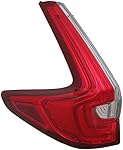
Check the Condition of the Tail Lights
Being visible to other drivers is just as important as your own visibility. Ensure that your tail lights, brake lights, and turn signals are functioning properly.
Shop From Amazon


Check the Overall Condition of the Engine
The engine undergoes extra strain when towing. It should operate smoothly, without abnormal noises or signs of malfunction.
Before towing, consider the following engine maintenance:
- Oil and filter replacement;
- Coolant level and condition check;
- Inspection of spark plugs (or glow plugs for diesel models).
Check the Condition of the Suspension
The suspension also bears significant stress during towing. A faulty suspension can lead to dangerous situations. Ensure that all suspension components are checked and serviced before you embark on towing.
Inspect the Gearbox
Towing increases the strain on your Honda CR-V's gearbox, leading to higher temperatures and potential failure. To mitigate this, avoid overloading and check the gearbox lubricant's condition, refreshing it if necessary.
Fill Up with More Fuel
Towing demands more from your vehicle, hence the increased fuel consumption, which could be 10-20% higher depending on the load.
Be sure to fill your tank adequately, plan for fuel stops along your route, and consider carrying extra fuel canisters as a precaution. Find out more about your CR-V's fuel efficiency here and the tank size here.
Keep a Toolkit in the Car
A comprehensive toolkit in your CR-V can be a lifesaver in emergencies. Include wrenches, pliers, screwdrivers, and any tools specific to your towing setup.
This ensures you're well-prepared to handle unexpected situations while towing.
Shop From Amazon


A First Aid Kit in the Car is Mandatory
Your towing preparations must include a well-equipped first aid kit for any potential accidents or injuries. This should contain items like bandages, antiseptic wipes, and pain relievers, ensuring you're prepared for medical emergencies.
Shop From Amazon


Securely Fix Cargo on a Carriage or Open Platform
Securing cargo on a carriage or open platform with sturdy cables or straps is essential. Proper load securing prevents shifting or slipping, reducing accident risks and ensuring the safety of all road users.
Always employ correct loading and securing techniques for the best balance and stability.
Check the Technical Condition of the Trailer
The trailer's condition is as crucial as the car's when it comes to towing safety.
Prior to embarking on a journey, ensure the following aspects of the trailer are checked:
- Check the Trailer Brakes. It's advisable to use trailers equipped with their own braking system to support the extra weight alongside your vehicle's.
Without it, the stress on your CR-V's brakes could lead to failure. Ensure the trailer's brakes are functioning and are properly synced with your vehicle's system;
- Inspect the Trailer Suspension. Before towing, scrutinize the trailer's suspension for signs of wear, damage, or corrosion.
Every component should be securely attached and aligned. A well-maintained suspension is vital for stability and handling while towing;
- Examine Trailer Lights. Functioning trailer lights are not only critical for safety but also a legal requirement.
Check all lights, including brake lights, turn signals, and markers, replacing any faulty bulbs and ensuring all connections are secure;
- Assess the Trailer Hitch. The trailer hitch's condition and its attachment to your vehicle are paramount for safe towing.
Inspect for wear and ensure all components are securely fastened. Regular lubrication of the hitch can prevent excessive wear and extend its life.

Towing a Car
If you're planning to tow a car with your Honda CR-V, the rules are largely the same as for any towing task, but there are additional considerations specific to towing vehicles.
It's crucial to be mindful of these nuances - your safety, and that of your cargo, depends on it. The following factors should be taken into account.
Make sure the vehicle you are towing is within the CR-V's capacity
Before towing another car, confirm that its weight does not exceed your Honda CR-V's towing capacity. You can determine your CR-V's towing capacity in the owner's manual. Overloading can lead to reduced braking and steering efficiency, as well as increased engine and transmission strain.
For successful towing with your CR-V, consider the weight, size, and if applicable, cargo and passengers of both your vehicle and the one you're towing.
Choose how to tow your car
There are several methods to tow another car:
- Using a tow strap;
- Using a tow bar;
- On a trailer;
Using a tow strap
When using a tow strap, ensure the towed vehicle has operational brakes, and there's a person in the driver's seat to manage the vehicle and apply brakes as necessary. The towed vehicle cannot stop on its own, so the driver's role is crucial.

Using a tow bar
With a tow bar, the towed car is securely fastened to the towing vehicle, following the lead car's path. No driver is needed in the towed car, but the towing vehicle will need to handle additional braking load.
Using a trailer
The safest method is to secure the towed car on a trailer that's attached to your towing vehicle. Remember to include both the weight of the towed car and the trailer when calculating the total towing capacity required.
What type of transmission does the towed vehicle have?
It's important to know the transmission type of the car you'll tow. For manual transmissions, ensure the gear shift is in neutral. For automatic transmissions, the car should be towed using a carriage or tow dolly.
A tow dolly lifts the front tires off the ground, suitable for front-wheel or all-wheel drive cars under 3450 lbs. It's generally not recommended for four-wheel drive vehicles.
The drive wheels of an automatic vehicle should not contact the road during towing to prevent transmission damage. If a carriage isn't an option and the vehicle has an automatic transmission, disconnect the driveshaft before towing to prevent gearbox movement.
Additional Equipment That You May Need When Towing with a Honda CR-V

Now that you’re versed in the essentials of towing, you might be considering further steps to prepare your Honda CR-V for towing and to extend its service life. The following are recommended additions to optimize your towing experience:
Weight-Distributing Hitch
Investing in a weight-distributing hitch can be a game-changer, ensuring the load is evenly distributed between your Honda CR-V and the trailer. This is crucial for maintaining control and stability, particularly when towing heavier loads.
Such a hitch is essential for preventing the rear axle from becoming overloaded, which could otherwise lead to compromised steering and vehicle stability.
Towing Mirrors
Extended or towing mirrors are pivotal for enhanced visibility when towing sizable loads. They mitigate blind spots and are a safety must-have, ensuring you have a clear view of traffic and can maneuver safely.
For the Honda CR-V, which may not have the widest field of vision when towing, these mirrors are a practical upgrade.
Suspension Air Bags
For a smoother ride while towing with your Honda CR-V, consider suspension airbags. These adjustable air cushions provide additional support and maintain proper vehicle alignment and ride height, which is especially beneficial under the additional load of towing.
Transmission Cooler
Installing a transmission cooler is crucial for managing the temperature of your CR-V's transmission fluid. It’s particularly essential when towing, as it helps prevent overheating and ensures the longevity of your transmission system.
Rearview Cameras

Rearview cameras can be indispensable for towing, making it easier to reverse, park, and navigate in tight spaces. They’re a significant aid in hitching a trailer and enhance safety by reducing blind spots.
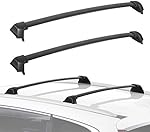
Roof Rails
Roof rails add versatility to your Honda CR-V’s cargo-carrying capabilities. They are ideal for securing additional gear externally and are perfect for outdoor enthusiasts who may need to transport equipment for their adventures.
Roof rails augment your vehicle's carrying capacity without impinging on passenger comfort and space inside the vehicle.
Shop From Amazon


To Wrap Everything Up
Meticulous preparation is the cornerstone of a safe and efficient towing experience. Ensuring your Honda CR-V and trailer are in prime condition, understanding the load capacities, and investing in the right towing accessories will safeguard your journey.
With a well-appointed towing setup, you’re not only enhancing safety but also ensuring the longevity of your vehicle and trailer, making towing a reliable and enjoyable part of your adventures.

Nick Marchenko, PhD
Industrial Engineer & Automotive Content Specialist
Nick writes in-depth guides on car clubs, engine specs, vehicle ownership, and modifications, combining engineering knowledge with automotive passion.
Full profile → LinkedIn →You May Also Like
Honda CR-V Free VIN Decoder: With Examples
2 years agoEach Honda CR-V is distinguished by a unique Vehicle Identification Number, commonly abbreviated as VIN. This alphanumeric code encapsulates critical data about the car, including its make, production...
How To Choose the Best Light Bulbs For Honda CR-V? Complete Guide
2 years agoEnsuring your Honda CR-V's headlights are in optimal condition is crucial for maintaining visibility on the road, no matter the time of day or weather conditions. Like any component, light bulbs e...
How To Sell Your Junk Honda CR-V?
2 years agoProper maintenance can extend the life of your Honda CR-V significantly. However, it's important to recognize that even the most well-cared-for vehicles have a lifespan. As time goes on, "...
How to Replace the Headlight on a Honda CRV
2 years agoYour Honda CRV's headlight replacement is a reasonably easy procedure that can significantly increase driving safety and visibility, particularly at night or in inclement weather. Here's ho...
How To Tint Windows of the Honda CR-V?
2 years agoHonda CR-V window tinting is not just an upgrade in style; it's a smart investment with numerous advantages. Firstly, it helps keep the CR-V cooler on sunny days by reducing heat penetration into...
Honda CR-V 1.6 Diesel Engine Problems
2 years agoThe fourth generation of the Honda CR-V (RM), produced from 2012 to 2018, is a compact SUV that sits above the HR-V in the Japanese manufacturer's lineup. A facelift in 2015 brought subtle changes...