Disclaimer: Not affiliated with or endorsed by Ford Motor Company. For informational purposes only. Full Disclaimer
Ford Explorer Shift System Fault
Updated:
The Ford Explorer is equipped with an advanced shift system for smooth gear transitions; however, occasional faults can occur in any mechanical system.
One common issue is a shift system fault, indicated by a warning message on the instrument panel. This warning signals a problem with the car's transmission or shifting mechanism.
Potential causes include a faulty transmission sensor, malfunctioning solenoid, issues with the Electronic Control Unit (ECU) managing the shifting process, low transmission fluid, or a damaged shifting cable. Promptly addressing a shift system fault is crucial to prevent further damage to the transmission or other components.
For resolution, it is recommended to consult a certified mechanic or a Ford dealership with the expertise and diagnostic tools to accurately identify and address the issue. Ignoring the problem may lead to more extensive damage to the vehicle.
About a Shift System Fault

The appearance of a shift system fault suggests a potential issue with the shifter electronics or one of the transmission electronics. Unfortunately, the problem can stem from various electronic components.
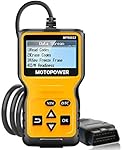
To identify the root cause, it is crucial to retrieve and analyze the error codes using a suitable scan tool or computer directly connected to your vehicle's data port.
The selected tool must be capable of reading your model's systems, and the resulting error code will guide the diagnostic process. Once the root cause is pinpointed, corrective measures can be taken.
This initial diagnostic step is essential for narrowing down the issue. Subsequent testing will be necessary to further identify and effectively repair the defect. In this case, the problem may involve one of the shifter circuits, requiring a replacement.
Why Does My Ford Explorer Say Shift System Fault?

When the shift system fault message and check engine light illuminate, it signals that the Powertrain Control Module (PCM) has identified a fault in the transmission system.
The illumination of this light records a fault code in the PCM memory, indicating the reason for the light and the potential resolution required. In the case of your Ford vehicle, codes P0756 and P0766 were reported, indicating issues with shift solenoids C and D, affecting transmission performance.
Possible causes include a low fluid level, solenoid problems, valve body issues, or internal transmission concerns. While there are no current technical service advisories, there is a recall 20B34 related to a potential transmission cooler failure.
Ford offers a free replacement of the transmission cooler, as its failure, coupled with low transmission fluid, could be contributing to the problems. If the cooler has not failed, a thorough transmission evaluation is recommended to pinpoint the source of the issue.
Shop From Amazon


Symptoms of Shift System Fault in Ford Explorer
If you are noticing symptoms of a shift system fault in your Ford Explorer, such as jerky or delayed gearshifts, difficulty in shifting gears, or an unresponsive gearshift lever, it is crucial to address the problem promptly.
These issues can be frustrating and may indicate a malfunction in the shift system. To maintain a smooth driving experience and prevent potential further damage, it is recommended to schedule a thorough inspection with a qualified mechanic. They can identify the underlying cause of the fault and provide recommendations for necessary repairs or replacements.
Avoiding or delaying addressing these symptoms may lead to more severe issues in the future. Take proactive steps to ensure the optimal performance and safety of your Ford Explorer.
Why Shifting Problems Occur

Several factors can contribute to shifting issues in your vehicle. A blocked catalytic converter or exhaust can create back pressure, making it challenging for the gearbox to shift gears and triggering the shift system warning. Other factors that may lead to shifting problems include:
Interlock switch failure
This error involves the brake pedal being necessary to shift from park to drive or reverse. Difficulty shifting from park may indicate a malfunctioning interlock.
Shift cables and linkages
Rust, heavy grease, moisture, oil, and dirt can affect shift cables and linkages, resulting in difficulty shifting. This is more likely when the engine and heat box have not been adequately warmed up.
Low transmission fluid
Inadequate transmission fluid can cause sluggishness and difficulty in shifting gears. Regular transmission fluid flushing is essential for maintaining the transmission's longevity.
Internal computer issues
Malfunctions in the internal computer of your car can lead to errors in the shifting process. The internal computer communicates with the transmission for various shifting operations, both during stationary and driving conditions.
Shop From Amazon


DIY Troubleshooting Steps for Shift System Fault in Ford Explorer
If you are encountering a shift system fault in your Ford Explorer, there are some DIY troubleshooting steps you can follow. Begin by checking the transmission fluid level and condition, as inadequate or contaminated fluid can lead to shifting issues.
Subsequently, examine and clean the shift solenoids responsible for controlling the transmission's shifting patterns. If these measures prove ineffective, you can attempt to reset the Transmission Control Module (TCM) to potentially clear fault codes and restore normal operation.
It is important to note that these steps are general recommendations and may not address all shift system faults. If uncertainty persists or the problem continues, it is advisable to seek assistance from a professional mechanic for further evaluation and resolution.
When to Seek Professional Help for Ford Explorer Shift System Fault

Encountering persistent and significant gearshift problems in your Ford Explorer, coupled with an illuminated check engine light, necessitates professional intervention.
Rather than attempting intricate DIY troubleshooting that may exacerbate the issue, it is advisable to seek the expertise of a qualified mechanic.
Professional assistance ensures accurate diagnosis and resolution of the underlying problems affecting the gearshift system, be they mechanical or electrical.
Timely consultation with an expert becomes imperative when confronted with persistent and troublesome gearshift issues in your Ford Explorer.
Cost of Repairing Shift System Fault in Ford Explorer
The expenses associated with repairing shift system faults in a Ford Explorer can fluctuate based on the nature of the problem. For the replacement of a shift solenoid, the typical cost falls within the range of $200 to $500, encompassing labor charges.
Addressing transmission fluid issues through a fluid change may incur costs ranging from $100 to $200. However, if the shift system fault involves the replacement of the Transmission Control Module (TCM), the expenses can escalate, varying from $500 to $900.
It is crucial to recognize that these cost estimates are approximate and subject to variation based on the location and the specific service provider. Engaging in regular maintenance and prompt repairs can contribute to averting costly shift system faults over time.

Nick Marchenko, PhD
Industrial Engineer & Automotive Content Specialist
Nick writes in-depth guides on car clubs, engine specs, vehicle ownership, and modifications, combining engineering knowledge with automotive passion.
Full profile → LinkedIn →You May Also Like
Ford Explorer Transmission Fault Service
2 years agoIf the "Transmission Fault Service Now" error message appears on your Ford, it indicates a transmission issue necessitating prompt attention from a mechanic. In this post, we will look at...
Understanding the Causes and Solutions for 7.3 Diesel in Coolant Issues
2 years agoThe Warning Signs Before we dive into the causes and solutions, let's first understand the early warnings. If your 7.3L engine is mixing diesel with coolant, you might notice: Unusual Sme...
The Importance of Using the Right Coolant for Your Ford EcoBoost Engine
2 years agoThe EcoBoost engine, available in 1.5L, 2.0L, and 2.5L variations, is a marvel of engineering, offering high performance with fuel efficiency. But this efficiency comes with the need for meticulous ca...
Ford Explorer Terrain Management System Fault
2 years agoIf you happen to own a Ford Explorer, confining its travels to smooth asphalt would almost seem like a disservice. This powerhouse is engineered to conquer rugged terrains, equipped with features tail...
How To Decode Ford Explorer VIN Code - Complete Guide
2 years agoEach Ford Explorer carries a unique marker that sets it apart from every other vehicle on the road: its Vehicle Identification Number, or VIN. This sequence of numbers and uppercase letters is packed...
Ford Explorer Trim Levels Comparison
2 years agoIf you're in the market for a reliable and spacious SUV, the 2023 Ford Explorer is a contender that deserves your attention. This guide dives deep into the specifications and features of the vario...