Disclaimer: Not affiliated with or endorsed by Toyota Motor Company. For informational purposes only. Full Disclaimer
How To Prepare Toyota Corolla For Towing
Updated:
Your Toyota Corolla is designed not just for efficient commuting but also for versatility. Like its counterpart, the Ford Ranger, your Corolla can also manage the challenge of towing.
Towing may seem straightforward, but it puts significant stress on your Toyota Corolla and demands responsible handling.
Thus, it's crucial to properly equip and prepare your Corolla for towing to ensure your own comfort and the safety of everyone on the road.
Key Takeaways
- The Toyota Corolla's towing capacity is influenced by factors such as engine power, transmission type, vehicle dimensions and weight, drive configuration, and the car's structural design.
- Thorough preparation of both the Toyota Corolla and the towed load is critical, requiring checks and adjustments of equipment, visibility, braking, engine status, fuel supply, and having emergency provisions on hand.
- It's vital to follow specific guidelines based on the load, ensuring the weight is within the Corolla's capabilities and selecting the proper towing equipment.
- Extra care is needed when towing with vehicles of different transmission types; for instance, vehicles with automatic transmissions may need a tow dolly, along with other measures to avoid transmission damage.
What does towing entail?
Towing involves pulling another object, such as trailers or other vehicles, behind your Toyota Corolla.
For towing, a hitch or coupling device is required to connect the Toyota Corolla to the trailer.
Is there a weight limit for what a Toyota Corolla can tow?

Most Toyota Corolla models are capable of towing, with variations in capacity depending on several factors:
Engine Capacity
The Corolla's towing capacity is linked to its engine's power and torque. Higher power and torque allow it to tow more substantial loads.
Transmission Type
Manual or automatic transmission types can affect the Toyota Corolla's towing capacity, with automatics often offering more favorable towing characteristics due to their torque converter design.
Size and Weight
Larger and heavier Corolla models typically can tow more due to their greater structural integrity and rigidity.
Drive Type
The Corolla's drive system, whether FWD, RWD, or AWD, impacts towing capacity, with AWD and RWD providing better distribution of power for towing.
Structure and Design
The Toyota Corolla's frame strength and design, including its suspension and brakes, significantly impact its towing capabilities.
Preparing your Toyota Corolla for towing
Similar to an athlete gearing up for a marathon, your Toyota Corolla needs proper preparation before undertaking any towing tasks.
Adhering to the rules of safe towing is crucial regardless of the load. Whether towing a trailer or another vehicle, it's essential to pay attention to the details to ensure a successful and safe tow.
Towing a Trailer with a Toyota Corolla
Towing a trailer with a Toyota Corolla involves several important considerations to ensure safe and comfortable transportation, similar to the Ford Ranger.
Understand Your Toyota Corolla's Towing Capabilities
Each Toyota Corolla model year or trim has its own towing limitations, including maximum capacity - which should never be exceeded. Factors such as vehicle power, body capacity, and suspension structure are important. Toyota sets these limits for safety reasons.
Exceeding these limits can lead to:
- Failure or damage to components of the Toyota Corolla;
- Reduced control and stability;
- Inadequate braking power;
- Potential accidents and hazards.
Before you begin towing, calculate the total weight of your trailer and cargo, then verify it against your Corolla's towing capacity. The towing capacity for your vehicle can be found here.
Ensure Your Towing Equipment is Functional

To safely tow trailers, your Corolla must be properly equipped.
Essential towing equipment includes:
- Towing Hitch: A secure attachment point for connecting your Corolla to a trailer.
- Trailer Brake Controller: This device allows you to manage the trailer's brakes from your vehicle, enhancing safety while towing.
- Towing Chain: Necessary for securing the connection and preventing disengagement.
All equipment should be in prime condition without any signs of deterioration.
Shop From Amazon


Adjust and Inspect Mirrors
Visibility is key. Ensure your rearview mirrors are correctly aligned and functional.
For improved visibility, consider purchasing special towing mirrors.
Inspect Brakes Thoroughly

Brakes are critical for safety, especially when towing additional weight. Service your brakes to ensure:
- Pad integrity;
- Rotor and/or drum condition;
- Brake fluid quality.
Shop From Amazon
![[Rear] Brake X Advanced X Replacement Disc Rotors and Premium Ceramic Brake Pads Kit | 6 Piece Set |Fit Toyota Corolla 1.8 2016-2017](https://m.media-amazon.com/images/I/51EZD4VNtAL._AC_UL150_.jpg)

Verify Headlight Functionality
Good lighting is crucial for safe towing. Ensure your headlights are bright and provide clear visibility.
Shop From Amazon


Ensure Tail Light Visibility
Shop From Amazon
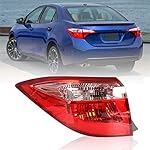


It's not enough to see; you must also be seen. Make sure your tail lights, including parking lights, brakes, and signals, are all functioning properly.
Engine Health Check
Towing puts extra strain on your engine. Ensure your Corolla's engine is in top condition, running smoothly, and free of unusual noises or signs of distress.
It's also wise to service the engine before towing by:
- Changing oil and filter;
- Checking coolant levels and condition;
- Inspecting spark plugs or glow plugs for diesel engines.
Assess Suspension Condition
While the engine is vital, the suspension endures significant stress while towing. Check and service your suspension to prevent any issues during your journey.
Inspect the Gearbox
Towing can stress the gearbox of your Toyota Corolla, causing it to heat up quickly and potentially fail if not properly managed. To prevent this, avoid overloading and check the gearbox lubricant, replenishing it if necessary.
Increase Fuel Supply
Increased load from towing means your Toyota Corolla will consume more fuel. Expect a 10-20% increase in fuel consumption based on the weight being towed. Fill your tank accordingly, plan for fuel stops, and carry extra fuel if necessary.
Tool Kit on Board
Keep a toolkit in your Corolla for emergencies — this should include wrenches, pliers, screwdrivers, and any specialized tools needed for your towing setup.
Shop From Amazon


Mandatory First Aid Kit
For towing trips, a comprehensive first aid kit is a must. It should include bandages, antiseptic wipes, and pain relievers, ensuring you're prepared for any medical emergencies.
Shop From Amazon


Secure Cargo Properly
Secure all cargo on a carriage or open platform with straps or cables to prevent shifting or slipping. Proper load securing methods are crucial for safety and stability.
Check the Trailer's Technical Condition
The trailer's condition is as important as your Corolla's when it comes to towing safety.
Run through this pre-journey checklist:
- Check the Trailer Brakes. Avoid using trailers without their own braking systems. The strain on your Corolla's brakes can be immense, leading to potential failure. Ensure the trailer's brake system is synchronized with your vehicle's and functioning correctly;
- Examine the Trailer Suspension. Inspect for damage, wear, or corrosion in the trailer's suspension components. Ensure everything is securely fastened and properly aligned for optimal stability;
- Verify Trailer Lighting. Functional trailer lights are not only crucial for safety but are also legally required. Check all lights, including brake lights, turn signals, and markers, replacing any defective bulbs and ensuring all connections are corrosion-free;
- Inspect the Trailer Hitch Connection. Review the condition of the trailer hitch and its connection to your Corolla. Look for wear or damage, ensure all components are secure, and lubricate moving parts to reduce wear.

Towing a Car
When towing with your Toyota Corolla, adhere to the general towing guidelines, but also take into account specifics pertinent to towing cars.
Ensuring the towed vehicle's weight does not exceed your Corolla's towing capacity is critical. Check your vehicle's manual to find this capacity. Surpassing this limit can compromise vehicle control and cause undue stress on your engine and transmission.
When planning to tow, factor in the weight, size, and any cargo or passengers in both your Corolla and the towed vehicle.
Selecting a Towing Method
Choose one of three methods to tow another vehicle:
- Using a tow strap;
- Using a tow bar;
- On a trailer;
Using a Tow Strap
A tow strap requires the towed vehicle to have operational brakes and a driver to maneuver and brake. This method is not recommended for the Corolla, as it may not be designed to tow vehicles in this manner.

Using a Tow Bar
Towing with a bar links the cars, with the towed car following the lead of the towing vehicle. This method can strain your Corolla's braking system as it has to manage both vehicles' weights.
Using a Trailer
The safest way to tow with a Toyota Corolla is using a trailer. This method involves securing the towed car on a trailer attached to the towing vehicle. Remember to account for the weight of both the towed vehicle and the trailer when considering your Corolla's towing capacity.
Transmission Type of Towed Vehicle
Identify the transmission type of the vehicle you'll be towing. For manual transmissions, the vehicle should be in neutral. For automatic transmissions, use a trailer or a tow dolly. It's imperative that the drive wheels of an automatic vehicle are off the ground to avoid transmission damage.
If towing with a dolly is not an option and the vehicle has an automatic transmission, you may need to decouple the driveshaft to prevent damage to the gearbox during transport.
Additional Equipment You May Need When Towing with a Toyota Corolla
While we have covered essential towing tips, if you wish to further prepare your Toyota Corolla for towing and enhance its longevity, consider installing the following modifications.
Weight-Distributing Hitch for Toyota Corolla
A weight-distributing hitch is crucial for balancing the load between your Corolla and the trailer. It prevents excessive strain on the rear axle, which is key for maintaining control and stability.
This device is particularly beneficial for towing heavier loads, helping to keep your vehicle balanced and stable on the road.
Extended Towing Mirrors for Toyota Corolla
Extended mirrors are invaluable for a widened view when towing. They help reduce blind spots and enhance overall safety.
For the Corolla, these mirrors are essential for keeping an eye on traffic and ensuring safety while your rear view is obstructed by the trailer.
Suspension Air Bags for Toyota Corolla
Suspension air bags can be installed in your Corolla's suspension system to provide additional support and stability when towing.
They help maintain proper vehicle alignment and ride comfort, essential for towing duties.
Transmission Cooler for Toyota Corolla
A transmission cooler is vital for maintaining the health of your Corolla's transmission when towing.
It helps manage the temperature of the transmission fluid, preventing overheating and ensuring durability.
Rearview Cameras for Toyota Corolla

Rearview cameras are a critical safety feature, especially when towing. They assist with reversing and navigating tight spaces, making it easier to connect a trailer and park.
Roof Rails for Toyota Corolla
Roof rails are a versatile solution for transporting additional gear without compromising interior space.
They're perfect for Toyota Corolla owners who need extra cargo capacity for sports equipment or luggage.
Shop From Amazon


Final Thoughts on Towing with a Toyota Corolla
Thorough preparation is key for a safe and efficient towing experience with your Toyota Corolla. Consider the technical condition of both your vehicle and trailer, the load capacity, safety features, and appropriate towing accessories before embarking on your journey.
Equipping your Corolla with the right towing setup not only improves safety but also extends the life of your vehicle, ensuring that towing remains a reliable means of transport for your adventures or cargo hauling needs.
Random from owner's manual
Owning a 2019 Toyota Corolla comes with the excitement of exploring its features and capabilities. To get started, familiarize yourself with the key information about your vehicle, which covers essential details every owner should know. Understand the basics of opening, closing, and locking the doors to ensure security and convenience. Comfort is crucial while driving, so learn how to adjust the seats for an ergonomic driving experience. Additionally, familiarize yourself with the process of adjusting the steering wheel and mirrors for optimal visibility and control. Lastly, understanding the functionalities of your opening and closing the windows is essential for both comfort and safety.

Nick Marchenko, PhD
Industrial Engineer & Automotive Content Specialist
Nick writes in-depth guides on car clubs, engine specs, vehicle ownership, and modifications, combining engineering knowledge with automotive passion.
Full profile → LinkedIn →You May Also Like
Toyota Corolla Free Vin Decoder And Lookup
2 years agoEach Toyota Corolla automobile is characterized by a distinctive code known as a VIN (Vehicle Identification Number). This alphanumeric sequence encodes critical data regarding the car, including the...
How To Choose the Best Light Bulbs For Toyota Corolla? Complete Guide
2 years agoHeadlight bulbs in the Toyota Corolla play a crucial role in ensuring visibility during all driving conditions, thus serving as a fundamental safety feature. But as we know, no component lasts fore...
How To Sell Your Junk Toyota Corolla?
2 years agoWith meticulous attention, your Toyota Corolla can be a steadfast companion on the road for a considerable span. However, it’s vital to acknowledge that despite rigorous maintenance, the lif...
How To Tint Windows of the Toyota Corolla?
2 years agoToyota Corolla window tinting is not just a cosmetic enhancement; it's a smart investment with multiple advantages. It keeps your Corolla cooler on hot days by reducing interior heat, ensuring a c...
Unveiling Fashion: Adorning Your Toyota Corolla - Expenses and Advantages
2 years agoFirst of all, Your Toyota Corolla is an expression of your style and individuality, not merely a means of transportation. Vehicle wrapping is a well-liked and versatile alternative if you want to give...
Fixing a Toyota Corolla Brake Light Bulb Fault: DIY Guide
2 years agoWelcome to your go-to guide for tackling one of the most common, yet puzzling, issues with the Toyota Corolla - a brake light bulb fault. Whether you're a seasoned gearhead or a newbie with a wren...