Disclaimer: Not affiliated with or endorsed by Mitsubishi Motor Company. For informational purposes only. Full Disclaimer
What Does P0161 Mitsubishi Outlander Mean
Updated:
If you've navigated your web browser to this humble digital abode, odds are, your motoring journey has been mildly sabotaged by the cryptic and yet vaguely ominous code p0161, but this time, let’s chat about the Mitsubishi Outlander, shall we?
Embarking upon our diagnostic odyssey, allow me to elucidate: the Diagnostic Trouble Code, or DTC if you're into the whole brevity thing, p0161 cryptically translates to “O2 sensor heater circuit malfunction.” To cut through the mechanistic jargon, your Mitsubishi Outlander is grappling with a perturbation in the sensor heater circuit located in Bank 2, Sensor 2. A bit of an electrical enigma, if you will.
Dissecting it further, it signifies a flaw, a wee hiccup, in the oxygen sensors’ heating element or possibly its wiring. Left unchecked, this minuscule malfunction can blossom into diminished fuel efficiency and a potential surge in emissions. Swift rectification is paramount lest the engine suffers some unsavoury consequences.
Key Takeaways
- The p0161 code, indicating an O2 sensor heater circuit malfunction, can affect Mitsubishi Outlanders, signaling issues with the oxygen sensor's heating element or its wiring.
- Mitigating the p0161 involves checking the O2 sensor and additional DTC, examining fuses, scrutinizing sensor and circuit resistance, and possibly addressing Powertrain Control Module (PCM) issues.
- Addressing a p0161 might incur various costs, such as $20 for a fuse replacement or up to $200 for an O2 sensor replacement.
- Although an aftermarket oxygen sensor can be utilized for replacement, opting for an original is generally preferable.
Decoding p0161 for the Mitsubishi Outlander

The conundrum that is code p0161 is not exclusively a Chevy Silverado affair but can indeed perplex some Mitsubishi Outlanders. The alphanumeric warning insinuates that the oxygen sensor isn’t quite reaching optimal heating performance.
Diving a smidge deeper, this means that the Powertrain Control Module (PCM) has sniffed out a flaw in the heater circuit of the oxygen sensor, nested comfortably in Bank 2 Sensor 2. This little sensor, usually perched near the catalytic converter, plays a crucial role in accurate fuel emissions, ensuring your Outlander stays environmentally amicable.
Unravelling the First Digit: A Brief Guide
P0161 is not just a random jumble of characters, but a coded message from the automotive beyond:
- P is for PowerTrain, the heart and muscles of your Outlander.
- 0 denotes it’s a Generic code, applicable to vehicles far and wide.
- 161 whispers tales of fuel and air metering adventures, inclusive of our protagonist, the oxygen sensor in bank 2 sensor 2.
Roots of p0161: The Mitsubishi Outlander Edition
Let’s peruse potential perpetrators:
- An open O2 sensor heater power circuit may be the first domino to tumble.
- An open O2 sensor heater ground circuit might also be the villain.
- O2 sensor contamination - a minor miscreant causing major mischief.
- At times, a disobedient O2 sensor and a rebellious PCM might jointly conjure the p0161 code.
Premonitions of p0161 in a Mitsubishi Outlander
Symptoms, those subtle harbingers of mechanical mayhem:
The inaugural sign typically manifests as an abrupt illumination of the check engine light, an amber beacon in a sea of tranquility.
Moreover, there exists a potential, though less conspicuous, symptom: an elevation in your Outlander’s emission output, a silent signal of the p0161 imbroglio.
Shop From Amazon
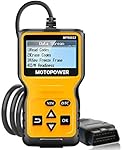


A Conundrum Unveiled: Solving the p0161 for the Mitsubishi Outlander
Let's delve into the mechanical labyrinth, exploring pathways that might navigate us to the very root of the p0161 mishap. A gentle reminder to tap into the wisdom of a certified mechanic or manufacturer before embarking on this DIY expedition, though.
The Intricacies of the O2 Sensor and DTC

Ensure a thorough investigation into the O2 sensor and peruse additional Diagnostic Trouble Codes (DTC) with an unwavering eye. When casting your gaze upon the O2 sensor reveals damage, navigate towards replacement. Spotted an issue with the wiring? Immediate repair, that's the ticket.
A Peek at the Fuse
There are numerous fuses piloting the O2 Sensor heater. Inspect the fuses with fervent determination, seeking any potential maladies. Typically, in the sprawling technological jungle that is the engine bay, a black plastic box, adorned with various clips, shields them.
Consult the service manual to pinpoint the fuse associated with the O2 sensor heater, remove it, and subject it to scrutiny. A rattling sound, you say? Replacement beckons!

Resistance in the Sensor and Circuit: A Scrutiny
When the O2 sensor emerges faultless, direct your investigative prowess towards the sensor's resistance, deploying a digital multimeter for the task. Concurrently, examine circuit resistance. Discrepancies discovered? Replacement is on the horizon.
The PCM Enigma: Reflash or Replace
At times, the PCM emerges as the solitary suspect. If compromised, a decision looms: to reflash or to replace?
The Financial Toll of Rectifying P0161
Fuse replacements lightly dent the wallet, demanding merely $20. Circuit wiring issues? Anticipate an expenditure ranging from $200 to $300. If the O2 sensor warrants replacement, envisage a financial outgoing of up to $200.
Shop From Amazon


Waltzing with the p0161 in the Mitsubishi Outlander
You, resolutely behind the wheel of your Mitsubishi Outlander, can indeed proceed even as p0128 blinks its ominous light. The check engine light, a stoic beacon amidst mechanical chaos, illuminates, yet physical impediment is absent. However, the vehicle refrains from reaching its optimal temperature, necessitating a prompt inspection.
FAQs
Future-Proofing Against P0161: A How-To?
Ensuring a meticulous schedule of vehicle maintenance checks and abstaining from sailing with a misfiring engine curtails the probability of encountering the code anew.
Can an Aftermarket Oxygen Sensor Be Employed?
Indubitably, an aftermarket oxygen sensor is a viable substitute. However, an original always triumphs.

Nick Marchenko, PhD
Industrial Engineer & Automotive Content Specialist
Nick writes in-depth guides on car clubs, engine specs, vehicle ownership, and modifications, combining engineering knowledge with automotive passion.
Full profile → LinkedIn →You May Also Like
Here Are The 5 Mitsubishi Outlander Years to Avoid
3 years agoDo you know which years of the Mitsubishi Outlander to avoid? If you're in the market for a used SUV, it's important to do your research to avoid potential headaches down the road. In this p...
Discover the Magnificence: An All-Inclusive Guide to Preserving the Paint of Your Mitsubishi Outlander
2 years agoMore than simply a car, the Mitsubishi Outlander is a traveling companion and an expression of your style. The paint on your Outlander encounters several difficulties as you drive, such as severe weat...
What do you need to do when a Mitsubishi Outlander won't start but just turns over?
2 years agoOur mission here is to tell you the answer to this question. Actually, you probably know that no troubles happen without a reason. However, when we talk about such an issue, you might encounter var...
Troubleshooting The Mitsubishi Outlander Brake Light Fail
2 years agoIn the spirit of advocating for safer and more reliable automobiles, this guide is dedicated to assisting Mitsubishi Outlander owners in diagnosing and fixing common issues related to brake light fail...