Disclaimer: Not affiliated with or endorsed by Honda Motor Company. For informational purposes only. Full Disclaimer
How To Keep Honda CR-V In Good Condition
Updated:
The Honda CR-V was not designed solely for getting from point A to point B. It's also packed with features aimed at enhancing comfort, whether you're traveling or transporting luggage and heavy loads.
To ensure that your Honda CR-V lasts for a long time, it's vital to take care of it by inspecting its components and performing regular maintenance.
This article offers tips on how to maintain your Honda CR-V, thereby prolonging its life. Adhering to these guidelines will guarantee that every journey brings you pleasure and relaxation.
Engine Setup
The heart of a Honda CR-V is its engine, on which you depend heavily. Opening the hood now and then to check the engine and its components ensures they are working correctly is crucial.
Regularly Change Filters in Honda CR-V

Filters are vital for the engine's smooth functioning, as they prevent contaminants from entering by filtering what gets inside the motor.
Over time, filters can become clogged and need replacement.
Therefore, follow the Honda CR-V maintenance schedule for proper engine function, and replace filters as recommended.
Generally, you might want to consider these tips:
- Air filter - once a year or 12 thousand miles;
- Oil filter - with each oil change;
- Fuel filter - once every 12-15 thousand miles.
Shop From Amazon


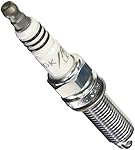
Don’t forget about spark plugs

Honda CR-V's spark plugs are crucial for igniting the fuel-air mixture in the engine cylinders. When worn, the engine may operate unevenly, accelerate poorly, and consume more fuel.
If the engine isn't performing well, inspect the spark plugs. If you find dirt or soot, it's time for a replacement.
Generally, spark plugs should be replaced every 80-100 thousand miles.
When replacing spark plugs, consider also replacing the high-voltage wires as their malfunction can lead to the symptoms mentioned above.
Shop From Amazon


Keep an eye on the overall condition of your Honda CR-V's engine
The engine is a sophisticated mechanism with thousands of parts that must function seamlessly for reliability and longevity.
If even a minor or seemingly insignificant part fails, it can lead to unstable operation or engine breakdown. Constant monitoring of your Honda CR-V's engine and taking prompt action if necessary is vital. Here are signs of engine problems:
- Strange sounds like knocking, whistling, or howling might indicate engine issues;
- A visual inspection can diagnose many problems such as cracks, oil leaks, and loose fasteners, all requiring immediate attention;
- Smoke from the exhaust might indicate severe engine problems, with white smoke signaling oil burning, and black smoke indicating a too-rich fuel-air mixture.
- Unstable engine operation, jerking during acceleration, or poor acceleration are all signs of engine problems.
If you notice any of these signs, it's advisable to find the cause of the malfunction quickly. Small issues can be fixed easily, but if ignored, they can lead to more costly and challenging repairs.
Focus on Your Honda CR-V's Timing System

The gas distribution system of the Honda CR-V's engine can be a belt or chain-driven system.
It controls the valves and fuel injection, and over time, this timing drive can wear out, resulting in a loss of performance.
The belt may crack while the chain can stretch, and neglecting this can lead to serious damage. Therefore, be mindful of the gas distribution drive on your Honda CR-V:
- Belt - good for approx. 60-100 thousand miles;
- Chain - durable up to 200-250 thousand miles.
Fluid Management
Fluids in the Honda CR-V play an essential role in its optimal operation.
Engine oil, coolant, brake fluid, washer fluid, and fuel are crucial for smooth functioning.
Regularly Monitor the Honda CR-V's Oil Level
Engine oil lubricates the engine, prevents overheating, and ensures smooth operation. It's vital to check the oil level and its condition in your Honda CR-V.
How to Examine Your CR-V's Engine Oil?
- Always check the engine oil when it's cold. Wait at least 10-15 minutes after shutting down the car;
- Locate the oil dipstick, usually on the side of the engine;
- Clean the dipstick with a cloth, reinsert it, then check the oil level. Ensure it's just above the middle mark;
- Watch for signs of contamination in the oil, indicating potential engine issues.
Choose the oil with the viscosity recommended by Honda and replace it as advised for your CR-V model.
Shop From Amazon


Examine the Honda CR-V's Coolant Level
Antifreeze is critical for the CR-V, helping the engine maintain the correct temperature.

How to Check the Coolant Level on Your Honda CR-V?
- Only check coolant on a cool engine. Allow time for the CR-V to cool after driving;
- Find the expansion tank, typically a large reservoir under the hood;
- Inspect the antifreeze amount and quality. Replace if it looks dirty or cloudy. The typical replacement interval is 20,000 miles or 2 years;
Shop From Amazon


Regularly Check Honda CR-V's Brake Fluid Level

Brake fluid is a vital part of road safety in your Honda CR-V - it impacts the effectiveness and responsiveness of your brakes on the road.
So, keep a watchful eye on your brake fluid's condition; it shouldn't be murky or tainted, and there should be ample quantity.
The brake fluid is in a dedicated reservoir under the hood, close to the master brake cylinder. Changing the brake fluid at least once every two years is essential for optimal performance.
Monitor Your Washer Fluid Level
Although not critical, the Honda CR-V's windshield washer fluid level does impact driving comfort. Let's face it; driving with a grimy windshield isn't a pleasant experience.
Make sure to check the washer fluid level in the tank under the hood, in the compartment marked with the windshield washer symbol. You can visually monitor the liquid level, and replenish it if needed. Remember, using ordinary water isn’t wise, as freezing temperatures could cause damage.
Fill Up with Honda's Recommended Fuel
Fueling your Honda CR-V with the manufacturer's recommended octane number is vital. Using a lower octane fuel can lead to damage and reduced performance, resulting in a less smooth drive and increased fuel consumption. Stick to the user manual and gas cap information to avoid mistakes.
Exterior Maintenance
Caring for the Honda CR-V's exterior is an essential aspect to remember. Proper care can enhance both your vehicle's appearance and performance.
Keep Your Honda CR-V's Headlights in Tip-Top Shape

The headlights are your Honda CR-V's eyes in the dark. Keep them bright and clear. If they're not as luminous as they should be, consider solutions such as polishing or replacing the bulbs in a timely manner.
Replace Honda CR-V Windshield Wipers
Honda CR-V wipers are crucial for safe driving in adverse weather conditions. Replace worn-out wiper blades promptly to maintain clear visibility.
Guard Against Corrosion on Honda CR-V's Body

Metal corrosion is a concern for any vehicle, including the Honda CR-V. Regular inspections for rust spots and timely treatment can prevent corrosion from spreading. In regions with humid or snowy climates, more frequent inspections may be needed to keep your Honda CR-V in optimal condition.
Suspension Setup
The Honda CR-V's suspension was engineered to handle various road conditions, offering both driver and passengers a smooth and comfortable ride.
Keep an eye on the condition of your suspension - it should operate smoothly, overcoming any obstacle with grace. No odd sounds should be present; the CR-V's suspension should work quietly.
The Honda CR-V should not jostle over rough spots but rather maintain a straight and controlled trajectory. Everything should feel smooth and balanced, even on uneven roads.
If you start to notice any of these symptoms, don't hesitate to consult a mechanic or address the problem yourself - suspension issues can pose a risk, particularly at higher speeds.
Brakes
Efficient brakes are crucial for safety. When driving your Honda CR-V, a prompt and dependable stop is just as important as smooth acceleration. Regularly inspect your brake system to ensure it's in top condition.
Brake pads
Never skimp on Honda CR-V brake pads; your safety hinges on them. Monitor the pad's working surface as it wears down over time and replace it when needed.
After replacing the pads, run your CR-V for about 60 miles. They may wear initially, but should operate smoothly after that mileage. If issues persist, consider redoing the process.
Shop From Amazon


Brake rotors
Brake rotors can wear too, compromising their performance. Keep an eye on their condition. Honda CR-V brake rotors must be smooth, without cracks or signs of overheating.
Shop From Amazon


Wheels & Tires
Wheels and tires are key components of your Honda CR-V. Their condition affects safety, comfort, and overall driving experience. Regular inspections are crucial.
Important aspects to consider while checking your tires:
- Tire pressure. Ensure the right tire pressure for a smooth ride in your CR-V. Consult your fuel tank lid, door jamb, or owner's manual for the proper values (PSI or Bar);
- Tread condition. Good tread offers grip and stability. If you notice worn tread on your CR-V, it's time to replace them;
- Rim integrity. Be aware of any dents or geometry issues that may cause vibration at speed;
- Seasonal tire change. Switch to winter tires for the best performance on icy or snowy roads.
To Sum Everything Up
Maintaining your Honda CR-V in prime condition extends its lifespan and ensures a comfortable, pleasurable driving experience.
It takes some effort, but you'll enjoy the peace of mind knowing your CR-V's components are working optimally.

Nick Marchenko, PhD
Industrial Engineer & Automotive Content Specialist
Nick writes in-depth guides on car clubs, engine specs, vehicle ownership, and modifications, combining engineering knowledge with automotive passion.
Full profile → LinkedIn →You May Also Like
How To Clean Your Honda CR-V's Throttle Body?
2 years agoThe Honda CR-V's throttle body plays a pivotal role in maintaining the balance of air supply to the engine's combustion chambers. This, in turn, shapes the formation of the ideal fuel-air mixt...
How To Open The Hood Of the Honda CRV?
2 years agoIf you are a lucky owner of a Honda CRV crossover, you probably know all the quirks and features of your beloved vehicle. However, if you've just bought one or owe a CRV for only several months, y...
How To Clay Bar Your Honda CR-V?
2 years agoEver wondered about the gleaming and pristine aesthetics of your Honda CR-V? Then, it's time to learn the art of clay bar detailing, a technique aimed at enhancing your vehicle's charm. Her...
How To Prepare Honda CR-V For Off Road
2 years agoFor the adventurous at heart, going off-road represents freedom, exploration, and a thrilling connection with nature. The Honda CR-V, though not a traditional off-road beast, has some capabilities tha...
How To Deep Clean Your Honda CR-V’s Interior?
2 years agoMany might believe that Honda CR-V's are simply modes of transport. But this isn't the whole story. The CR-V not only delivers comfort and the desired speed but also provides a sense of autono...
How To Polish Your Honda CR-V's Rims?
2 years agoRim polishing isn't just for show, it's a process that elevates the look and function of your Honda CR-V's wheels. In the daily grind of driving, the rims of your Honda CR-V are subject...