Disclaimer: Not affiliated with or endorsed by Honda Motor Company. For informational purposes only. Full Disclaimer
How To Prepare Honda Accord for Winter?
Updated:
As the chill of winter starts to make its presence felt, we swap our lightweight attire for thick, insulating layers, aiming to protect ourselves from the bitter cold. Honda Accord owners, too, should brace themselves and their vehicles for the frosty season, equipping them to handle any winter-related hurdles.
The procedure to winterize a Honda Accord is simple and straightforward, but it demands a level of commitment and patience.
It's always wise to winterize your vehicle before the onset of cold rather than dealing with an unexpected problem without the appropriate resources or understanding.
Honda Accord Pre-Winter Checklist
Winter weather can often be erratic and potentially dangerous. Icy roads and freezing temperatures require drivers to exercise extreme caution. Similarly, your Honda Accord needs to be thoroughly prepared to tackle any winter hardships fearlessly.
Tires

Just as we require suitable footwear to navigate winter terrains, vehicles need winter "tires" to maintain adequate traction on slippery surfaces. It's advisable to switch your summer tires to winter ones when the temperature falls to around +7 Celsius (+44 Fahrenheit).
Check your winter tires' tread depth, rubber condition, and air pressure to confirm they're prepared for the task. During winter, it's crucial to monitor tire pressure more often, as cold temperatures can cause tires to deflate faster. Remember this rule of thumb: a 10-degree drop corresponds to a 1 PSI decrease.
Shop From Amazon


The key takeaway is to change your Honda Accord tires well in advance. Surely, you wouldn't want to be caught up in a long queue, waiting for your turn. Not to mention, this proactive measure will save you both time and unnecessary stress.
Brakes
Along with ensuring good winter traction and acceleration, it's imperative to have effective stopping power, particularly on slick surfaces like ice and snow. Ensure your Honda Accord brake pads and rotors are in excellent condition and can deliver optimal braking performance.
Shop From Amazon


Battery

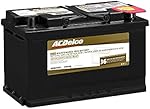
Chilly winter temperatures can substantially affect the capacity of your Honda Accord's battery. When temperatures drop drastically, such as down to -30 degrees, the battery's standard energy level can decrease by 30% or even more.
This energy may not be enough to start your Accord. During winter, if you don't use your Honda Accord frequently, say less than every two days, you might discover that your battery has essentially drained. In such situations, you might need to either ask a kindly passerby for assistance or take the battery home for a recharge.
Shop From Amazon


Oils
Before the first frost sets in, it's critical to replace the Honda Accord's oil and oil filter. The oil's primary function is to lubricate the engine's metal components, protecting them from potential damage. The oil's viscosity - or its thickness - significantly affects how the engine operates.
If the oil is too viscous, it will flow slowly over the parts, which could lead to engine overheating.
Shop From Amazon


During winter, with the temperature falling, the oil tends to thicken. However, this issue can be easily addressed by using oil with a lower viscosity (low viscosity index oil) specifically designed for winter conditions.
Coolant
With the arrival of winter, it's necessary to substitute your regular coolant with an antifreeze solution. Antifreeze doesn't just shield your Honda Accord's engine during the cold weather, but it also helps to prevent component corrosion.
Shop From Amazon


Maintaining an adequate level of antifreeze is essential. A 50:50 ratio is ideal and prevents the fluid from freezing even under extremely cold temperatures (-40 degrees).
If the amount of antifreeze is insufficient, the coolant may freeze, potentially causing the engine to overheat and resulting in the need for one or more gasket replacements.

Consumables
Spark plugs, wires, cables, belts, and hoses all need to undergo a meticulous inspection before you brave the frosty roads. Don't hesitate to pop the hood and scrutinise everything in detail. If you spot an issue, it enables you to address it promptly.
Shop From Amazon


Actively resolving potential problems now is always better than being caught off guard on a snow-laden road.
Fuel Level
Driving with a low fuel level can be harmful to your Honda Accord at any time of the year, as you risk becoming stranded without the chance to top up. Operating with an almost empty tank in winter is particularly dicey.
The cold temperature and its constant variations can lead to condensation forming on the walls of a half-empty tank, which can quickly result in water polluting the fuel.

Water is denser than petrol or diesel, so it will sink to the bottom, causing a significant problem: if water enters the fuel line, it can freeze, blocking the fuel supply to the engine and thwarting your plans. Rectifying such a failure can be extremely expensive.
Therefore, despite the occasional surge in fuel prices, keeping a consistently full tank will both protect your vehicle and save you money in the long run.
Wiper Blades and Washer Fluid
Impaired visibility in severe winter conditions can pose serious threats, so it's critical that your Honda Accord wipers are at peak performance.
Imagine making your way down the road at night when an unexpected flurry of snow and rain lashes your windscreen. You trigger the wipers to improve visibility, but instead of cleaning, they merely smear the windscreen with their deteriorating rubber blades.
Shop From Amazon


Given that wiper blades are rubber, they can become brittle and wear out over time. It's advisable to swap your wiper blades every 6-12 months.
Additionally, don't neglect the Honda Accord windscreen washer fluid level - it's pivotal in removing snow and ice from your windscreen. Remember to substitute the regular fluid for a winter-grade solution. These are available at any petrol station.
Emergency Kit
The only sure thing on the road, particularly in winter, is uncertainty. However, you can be prepared for most contingencies.
One of the wisest measures you can take is to carry a specialised emergency kit in your Honda Accord. Ensure your kit includes the following items:
- Jumper cables;
- First aid kit;
- Window scraper and brush;
- Compact shovel;
- Warm clothes;
- Compact flashlight with batteries;
- Extra coolant or antifreeze;
- Car door lock defroster;
- Silicone grease for seals;
Shop From Amazon


Wrapping Up
As we've observed, winter car preparation isn't a particularly intricate task. Yes, it demands a bit of your time and some essentials in your boot, but it's far better to be equipped for every imaginable winter situation than to find yourself stranded without any solutions.

Nick Marchenko, PhD
Industrial Engineer & Automotive Content Specialist
Nick writes in-depth guides on car clubs, engine specs, vehicle ownership, and modifications, combining engineering knowledge with automotive passion.
Full profile → LinkedIn →You May Also Like
How Do You Fix Honda FCW System Failed? (Forward Collision Warning)
2 years agoTo be honest, I've driven a few vehicles without systems like this, but once I got my Honda Accord, I quickly adjusted. I couldn't imagine driving without the visual and oral warnings. They ma...
How To Maintain Leather Seats in Honda Accord?
2 years agoLeather seating is a hallmark of luxury and opulent comfort in automobiles. Whether your Honda Accord comes with leather seats straight out of the assembly line or you've swapped out the cloth one...
How to Get Rid Of Bad Smell in Honda Accord? Tips for Removing Car Odors
3 years agoAfter some point, you may smell that distasteful odors inside Honda Accord. If you treat your vehicle with love and take care of its interior, you can still face smells. Additionally, the more c...
How To Clean Your Honda Accord Headlights?
2 years agoOver time, the inevitable wear and tear starts to show, and the headlights of your Honda Accord begin to display signs of clouding, losing their pristine clarity. Several factors contribute to this...
How To Clean Your Honda Accord’s Engine
2 years agoThe engine of the Honda Accord sits at the core of your vehicle's performance, powering speed, acceleration, and the overall driving experience. Ensuring the engine is well-maintained is pivotal t...
How To Clay Bar Your Honda Accord?
2 years agoEver contemplated the spick-and-span, mirror-finish allure of your Honda Accord? If that thought has crossed your mind, then it's time you acquainted yourself with the artistry of clay bar detaili...