Disclaimer: Not affiliated with or endorsed by GMC Motor Company. For informational purposes only. Full Disclaimer
What is the Firing Order On a 5.3 Chevy Engine?
Updated:
When we talk about the firing order of the 5.3 engine, it's a bit like the dance steps to a perfectly choreographed routine. It's all about the sequence in which each cylinder gets its spark. This isn't just technical jargon; it's fundamental to the heart of the engine, and here's why:
A Harmonious 5.3 Engine Dance
Getting that firing order spot on ensures the pistons of the 5.3 engine dance in harmony. By working together and staying in balance, it reduces those internal shakes and shudders, making the engine run as smoothly as a waltz on a ballroom floor.
Picture it: every cylinder moves in perfect harmony, reducing wear and tear and ensuring longevity for the engine's components.
Fuel Efficiency at its Best
Now, an on-point firing sequence ensures the best combustion for the 5.3 engine. With each cylinder sparking just right, the engine maintains ideal compression ratios, air-fuel mix, and timely ignition.
What this translates to is a better fuel economy. So, you're not only getting more miles for your buck but also being kinder to the environment with reduced emissions.
Unleashing Full Power
With the right firing order, every cylinder in the 5.3 engine plays its part, ensuring the engine delivers its maximum oomph! Whether it's a burst of speed, towing, or cruising, your vehicle is always ready for the challenge.
Smooth Exhaust Flow
Proper firing in the 5.3 engine also helps guide the flow of exhaust gases, ensuring a smooth exit. This coordination minimizes backpressure in the exhaust system, allowing the engine to breathe easier, boosting its performance, and reducing wear on exhaust components.
Firing Order & Cylinder Info for the 5.3 Engine

The dance steps for the 5.3 are 1-8-7-2-6-5-4-3. Cylinders 1, 3, 5, and 7 are on the passenger's side, while cylinders 2, 4, 6, and 8 take their positions on the driver's side. And remember, the distributor grooves counterclockwise.
Vehicles Fitted with this 5.3 Engine Gem
It's common for an engine design to find its way into various models under the same brand. Hence, this 5.3 engine beauty, with its specific firing order, is found in:
- Chevrolet Silverado 1500 (1999-present)
- Chevrolet Tahoe (2000-present)
- Chevrolet Suburban (2000-present)
- GMC Sierra 1500 (1999-present)
- GMC Yukon and Yukon XL (2000-present)
- Chevrolet Avalanche (2002-2013)
- Chevrolet Express (2003-present)
- Cadillac Escalade and Escalade ESV (2002-2006)
- Chevrolet Trailblazer EXT (2003-2006)
- Buick Rainier (2004-2007)
- Chevrolet SSR (2003-2004)
- GMC Envoy XL and Envoy XUV (2003-2005)
Spotting Signs of an Incorrect 5.3 Firing Order in Your GMC Yukon
So, you've got that feeling something's amiss with your Yukon's 5.3 engine? Here are some tell-tale signs the firing order might be jumbled up:
The Engine's Got the Jitters
A wonky firing order can lead to an unstable idle. You might feel the engine struggling, especially when you're not moving. It's like trying to balance on one foot while spinning – not easy!
Engine's Coughing and Spluttering
If your Yukon's engine starts to sputter or sounds like it's choking, the firing order might be out of tune. This means the spark's firing at the wrong time, disrupting the engine's rhythm.
Thirsty for Fuel
Notice you're filling up more than usual? An incorrect firing order can decrease the engine's combustion efficiency, making it guzzle down more fuel. Your Yukon ends up drinking more than it should.
The Whole Car's Shaking
Feeling vibrations, especially when accelerating? A messed-up firing order can throw the whole engine off balance. It's not just uncomfortable but could indicate more serious engine issues lurking beneath.
That's Not a Purring Sound
Uncommon and sometimes louder noises coming from the engine bay? A jumbled firing order can be the culprit, causing uneven combustion and other engine quirks.
Exhaust Pops
If you're hearing pops or backfires from the exhaust, unburned fuel could be the problem, ignited by a hot exhaust system. An incorrect firing order is often the cause, and it's more than just noisy—it could harm your exhaust parts!
Struggles When Starting
Having a hard time starting up, especially in chilly weather? The engine might not be firing right, causing those cold morning blues with longer cranking times or, worse, not starting up at all.
A Glowing Warning on the Dashboard
If your Yukon's onboard computer senses firing issues like misfires or an out-of-whack firing order, it'll light up the "Check Engine" sign. Don't ignore it; your engine's trying to tell you something!

Checked the 5.3's Firing Order and Still Running Rough? Here's What to Consider:
So, you're sure everything's spot-on, but your Yukon's still not purring? Here are a few things you might want to peek at:
Give the Distributor a Look-See
On older models with contact ignition systems, the distributor plays a vital role in directing those sparks. Over time, it can wear out, leading to hiccups like misfires or unstable performance.
Contacts can oxidize, messing with the spark distribution. It might be time for a bit of TLC or even a replacement to ensure that engine's firing just right.
Giving the Ignition Coils a Once Over

In most modern motors, including our Yukon, gone are the distributors, and in come the ignition coils. These beauties produce the high-voltage sparks that set everything in motion.
Now, whether each cylinder in the Yukon's 5.3 engine has its own dedicated coil or shares with others, it's always a good idea to check the resistance and overall condition of these coils. A coil acting up could mean weak sparks and a rather disgruntled engine.
Eyeing Up Those High Tension Wires
High tension wires, more commonly known as spark plug wires, are like the messengers, ferrying electricity from the ignition system to those all-important spark plugs.
Any crossed wires or mix-ups here can have your Yukon behaving like a bucking bronco, so ensure each wire is snugly connected to its designated cylinder. It's a small check that can prevent a world of troubles.
Having a Look at Those Spark Plugs

Spark plugs are like the heartbeat of your Yukon's engine, initiating that crucial combustion. Over time, they can wear out or get gunked up. Keeping an eye out for wear signs or carbon build-up is a good practice. Fresh plugs can make all the difference in your 5.3 engine's performance.
Shop From Amazon


Is Everything in Sync? Check the Timing
Like a conductor leading an orchestra, the timing in your Yukon's 5.3 engine ensures everything's working in harmony. But how to be certain it's all set properly? Ensure the camshaft and crankshaft are dancing to the same tune.
If they're out of sync, you might notice misfires or a rough ride. Setting them just right can smooth out those bumps and give you that harmonious ride you're after.

A Quick Peek at the Injectors
Fuel injectors make sure each cylinder gets its fair share of fuel. But if one's blocked or not playing ball, it can lead to uneven fuel distribution and those dreaded misfires. Check for any blockages or leaks and ensure they're electrically sound. A little injector TLC can go a long way for your Yukon.
Plug into the OBD-II Port
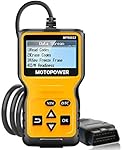
For those pesky issues that just won't quit, plug in a diagnostic tool to the OBD-II port. This will give you the lowdown on any niggles the 5.3 engine might be facing, from misfires to any other performance issues.
Shop From Amazon


Feeling the Pressure? Check Cylinder Compression
Compression in the cylinders can tell you a lot about what's going on inside. If there are issues like worn piston rings or dicky valves, they'll show up here. Measuring compression can help pinpoint any underperforming cylinders, but if there are serious discrepancies, it might be time for a deeper dive into that engine.
Wrapping Things Up
Having your GMC Yukon's 5.3 engine firing on all cylinders (literally) ensures a smooth and reliable ride. Keeping that firing order spot on ensures a balanced, efficient engine, reducing misfires and those annoying vibrations.
Regular checks and a bit of maintenance can go a long way in prolonging the life of your Yukon's engine and its components.
FAQs
What is the firing order for the Chevy 5.3L engine?
All 5.3L V8s, from early Vortec (1999) to modern L84 (2025), use the same firing order – 1-8-7-2-6-5-4-3. This sequence ensures smooth engine balance and efficient firing pulses.
How are the cylinders numbered on a 5.3 Chevy?
The driver’s side bank is numbered 1-3-5-7 front to back, while the passenger side is 2-4-6-8. Cylinder 1 is always front-left when viewed from the front of the truck.
Is the LS 5.3 firing order the same as the Vortec 5.3?
Yes, both use the 1-8-7-2-6-5-4-3 pattern. The LS design inherited this improved firing logic to minimize crankshaft vibration compared to older small-block Chevys.
What’s the firing order for a 2015 GMC Sierra 5.3?
The 2015 Sierra runs the L83 Gen V 5.3L engine, firing 1-8-7-2-6-5-4-3. It also uses Active Fuel Management (AFM) that can deactivate cylinders 1, 4, 6, and 7 under light load.
Does the 2019 Silverado 5.3 have the same firing order?
Yes – the L84 5.3L continues the same order but introduces Dynamic Fuel Management (DFM), allowing up to 17 firing pattern variations depending on load.
What’s the firing order on a 2007 Chevy Tahoe 5.3?
It’s 1-8-7-2-6-5-4-3, just like newer engines. That model used LC9 or LMG Vortec 5300 engines with AFM and electronic throttle control.
Which cylinders shut down with AFM on the 5.3?
AFM (Active Fuel Management) disables cylinders 1, 4, 6, and 7 when cruising to save fuel. You’ll feel a slight vibration when it switches modes.
What’s the firing order for the 2018 Chevy Tahoe?
The 2018 L83 5.3L uses 1-8-7-2-6-5-4-3. This engine pairs AFM with direct injection for better throttle response and efficiency.
How do I find cylinder 1 on a 5.3 Silverado?
Stand in front of the truck: cylinder 1 is the front-most on the driver’s side. The even-numbered cylinders are all on the passenger side.
What’s the firing order diagram for a 2014 Silverado 5.3?
1-8-7-2-6-5-4-3, clockwise firing sequence. Bank 1 (driver side) is odd, Bank 2 (passenger side) is even.
What’s the cylinder layout on a 2002 GMC 5.3?
Same LS layout: left bank 1-3-5-7, right bank 2-4-6-8. The firing order remains 1-8-7-2-6-5-4-3.
Is cylinder numbering the same on a 2020 Suburban 5.3?
Yes – 1-3-5-7 (driver side) and 2-4-6-8 (passenger side). Firing order doesn’t change across model years.
Where is cylinder 7 on a Chevy 5.3?
It’s the last cylinder on the driver’s side, closest to the firewall. On AFM engines, it’s one of the cylinders that can deactivate.
Shop From Amazon


What’s the firing order on a 2010 GMC Yukon 5.3?
The LC9 and LH6 Vortec both use 1-8-7-2-6-5-4-3, controlled by coil-on-plug ignition.
Can the firing order be changed?
No – it’s determined by camshaft design and ECU programming. You’d need a custom cam and tune to alter it.
What’s the difference between AFM and DFM on the 5.3?
AFM shuts off 4 specific cylinders, while DFM can deactivate any combination of cylinders for smoother transitions and better efficiency.
What’s the firing order for the 2003 Silverado 5.3?
The LM7 5.3L follows 1-8-7-2-6-5-4-3. This early LS-based engine used multi-coil ignition and sequential fuel injection.
Where is cylinder 4 located on a 5.3?
It’s the second cylinder from the front on the passenger’s side. Easy to access for spark plug changes.
Does the 5.3L have a distributor?
No, it uses coil-on-plug ignition. Each cylinder has its own dedicated ignition coil controlled by the ECM.
What’s the torque spec for 5.3 spark plugs?
18 ft-lbs on aluminum heads. Use a torque wrench and anti-seize if recommended by plug manufacturer.
What’s the firing order on a 2017 Yukon 5.3?
1-8-7-2-6-5-4-3. The L83 Gen V uses AFM and variable valve timing.
Does the 5.3L Silverado 1500 have equal firing intervals?
Yes – cylinders fire every 90 degrees of crank rotation, giving a smooth idle and balanced exhaust tone.
Shop From Amazon


Is the 5.3L firing order same as the 6.0L?
Yes, both use 1-8-7-2-6-5-4-3 as part of the Gen III/IV LS family design.
What’s the firing order on a 2021 Silverado 5.3?
1-8-7-2-6-5-4-3. The L84 engine continues the LS heritage with DFM for variable combustion control.
Can I use 5.7 plug wires on a 5.3?
No – 5.3 engines use short coil-near-plug wires specific to LS architecture. 5.7’s distributor setup is different.
What’s the firing order on a 2008 Avalanche 5.3?
Same as all LS-based engines: 1-8-7-2-6-5-4-3. The LC9 engine has AFM and flex-fuel capability.
How does cylinder numbering affect diagnostics?
Correct numbering is crucial for reading misfire codes (like P0303 = cylinder 3). Always verify cylinder position when diagnosing.
What’s the firing order on a 2013 Tahoe 5.3?
1-8-7-2-6-5-4-3. That year used LC9 or LMG engines with AFM and flex-fuel options.
Where’s cylinder 2 on a 5.3 engine?
Passenger side, front-most cylinder. It pairs with cylinder 1 in crank rotation balance.
What’s the firing order on a 2004 Tahoe 5.3?
1-8-7-2-6-5-4-3. Same sequence across all LS generations, even pre-AFM models.
Does drivetrain type (2WD vs 4WD) change firing order?
No. Transmission and drivetrain have no effect on firing or cylinder numbering.
What’s the firing order for the 2018 GMC Sierra 5.3?
1-8-7-2-6-5-4-3. The L83 engine retains LS architecture with improved fuel injection.
What’s the firing order on the 2006 Silverado 5.3?
1-8-7-2-6-5-4-3, standard across all Gen III engines (LM7, L33). Each coil fires independently.
Which cylinder is number 8 on a 5.3?
Rearmost on the passenger’s side, closest to the firewall. It’s the last in the firing order.
Does the 5.3L have a uniform crank rotation direction?
Yes – all rotate clockwise when viewed from the front of the engine.
What’s the firing order on a 2022 Tahoe 5.3?
1-8-7-2-6-5-4-3. DFM system dynamically adjusts which cylinders fire based on engine load.
How do I identify Bank 1 on a 5.3?
Bank 1 is always the side with cylinder 1 (driver’s side). Bank 2 is the passenger side.
Can you swap cylinder heads side to side?
No. LS heads are side-specific due to coolant passage orientation and accessory mounts.
What’s the firing order for a 2009 Yukon 5.3?
1-8-7-2-6-5-4-3. Applies to LC9 and LMG engines found in that model year.
Can incorrect firing cause engine knock?
Yes, incorrect plug wire routing or ECU timing can lead to knock and misfires. Always double-check connections.
Which cylinder is #5 on a 5.3?
Middle of the driver’s side bank. Common for AFM lifter issues in Gen IV engines.
Shop From Amazon


What’s the firing order for the 2011 Tahoe 5.3?
Same 1-8-7-2-6-5-4-3 pattern. That model used the LMG engine with AFM and flex-fuel options.
Does the 5.3L LS engine use equal-length exhaust headers?
Not stock – but aftermarket equal-length headers improve scavenging and performance for the 1-8-7-2-6-5-4-3 order.
What’s the firing order on a 2001 Silverado 5.3?
1-8-7-2-6-5-4-3. Early LM7 models share the same LS-based sequence.
Shop From Amazon


Do 5.3L and 4.8L share firing order?
Yes, both engines are LS derivatives using the same crank and cam phasing logic.
What’s the cylinder layout on a 2023 Silverado 5.3?
Driver side: 1-3-5-7. Passenger side: 2-4-6-8. Firing order – 1-8-7-2-6-5-4-3.
Why did GM choose this firing order?
To reduce main bearing loads and even out crankshaft torque impulses, improving longevity and smoothness.

Nick Marchenko, PhD
Industrial Engineer & Automotive Content Specialist
Nick writes in-depth guides on car clubs, engine specs, vehicle ownership, and modifications, combining engineering knowledge with automotive passion.
Full profile → LinkedIn →You May Also Like
Is 5.7L Vortec a Good Engine? Problems, Life Expectancy & Specs
3 years agoThinking about an engine swap?Check whether the swap you're considering actually fits your vehicle — compatibility, estimated cost, required changes, and a clear recommendation.Check My Engine Swap...
Here Are The 5 GMC Yukon Years to Avoid
3 years agoAre you in the market for a GMC Yukon? Before you make a purchase, it's important to know which years to avoid. From faulty antilock/traction control systems to problematic electrical issues, we&...
A Guide to GMC Yukon Warning Lights (Symbols, Meaning & How to Respond)
3 years agoIlluminated warning lights on a GMC Yukon's dashboard are lifesavers - they provide drivers with crucial insight into potential issues that can not only prevent damage to the car but also avert ac...
Reviving Luminance: How to Clay-Barrel Your GMC Yukon Correctly
2 years agoAs a representation of tough style and powerful performance, your GMC Yukon needs careful maintenance to keep its showroom gleam. Using a clay bar correctly is one of the most important elements of ac...
How to Connect Android Auto to GMC Yukon
2 years agoAndroid Auto is cutting-edge technology that allows seamless integration between your Android smartphone and your GMC Yukon's infotainment system. With Android Auto, you can access a wide range...
GMC Yukon Brake Lights Not Working: DIY Troubleshooting Guide
2 years agoBrake light failure on your GMC Yukon can be a perplexing issue, especially when part of the system seems to work, like the high mount stop lamp, but the lower brake lights fail. This guide combines i...