Disclaimer: Not affiliated with or endorsed by GMC Motor Company. For informational purposes only. Full Disclaimer
Is 5.7L Vortec a Good Engine? Problems, Life Expectancy & Specs
Updated:Before you start researching parts and pricing, check whether the swap you have in mind actually fits — and whether it's worth doing.
Check My Engine SwapThe 5.7L Vortec engine was first introduced in 1996 and was used in a wide range of vehicles, including the Chevrolet Silverado and Suburban, the GMC Sierra and Yukon, and the Cadillac Escalade. This engine is a V8 that produces between 255 and 350 horsepower, depending on the model year and application. It features advanced technologies like sequential fuel injection and an electronic throttle control, which improve its performance and fuel efficiency.
But with any engine, there are potential problems to be aware of. Some common issues with the 5.7L Vortec include oil leaks, intake manifold gasket failure, and issues with the distributor cap and rotor. However, with proper maintenance and care, this engine has a good track record of reliability and longevity. So, is the 5.7L Vortec a good engine? Let's dive in and find out.
5.7L Vortec Engine Specs & Horsepower
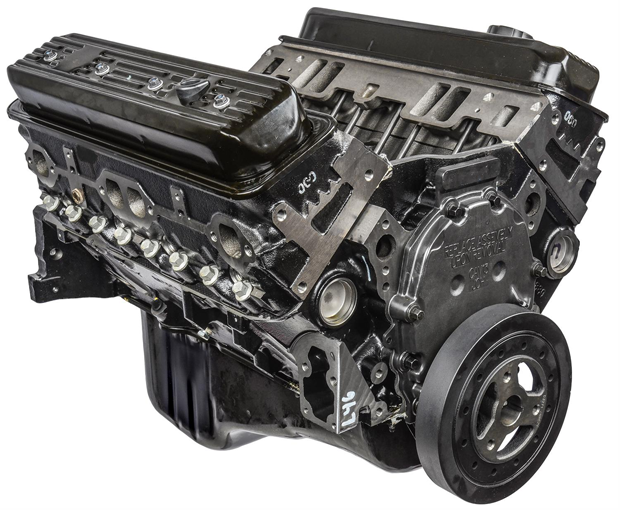
First off, let's talk about the power ratings. The factory specs for this engine show that it produces 255 horsepower and 330 ft.-lbs. of torque. If you happen to come across a carbureted version of this engine, you may see a bump in power up to 290 horsepower and 375 ft.-lbs. of torque. This increase in power is due to a performance dual plane intake manifold, a 670 cfm carburetor, and an HEI distributor.
The 5.7L Vortec engine uses a 1996-2000 seasoned OE block with a 2-bolt main and a 1-piece rear main seal. The passenger-side dipstick is also a unique feature of this engine. With a displacement of 350 ci, or 5.7L, this engine has plenty of power to get you where you need to go.
The rotating assembly of this engine features an OE reground cast 1 piece seal crankshaft, external rear balance, and internal front balance. The rods are made of OE reman powder metal, measuring 5.7 in. in length. The compression ratio is 9.6:1, and the pistons are cast with moly rings.
The camshaft specs of the 5.7L Vortec engine include a hydraulic roller cam with an intake duration of 191 and an exhaust duration of 194 at .050 in. lift. The cam lift is 0.414 in. on the intake and 0.428 in. on the exhaust, and the lobe separation angle is 112 lsa. The timing chain is a single roller.
The cylinder heads on this engine are Vortec cast iron with a combustion chamber of 64 cc and an intake runner of 165 cc. The valve size is 1.940 in. for the intake and 1.500 in. for the exhaust, and the rocker arms are stamped steel with a ratio of 1.5.
|
Engine Specifications |
|
Power Ratings: |
|
Factory Specs |
Carbureted |
|
Horsepower: 255 hp |
Horsepower: 290 hp* |
|
Torque: 330 ft.-lbs. |
Torque: 375 ft.-lbs. |
|
*Carbureted engine was tested using a performance dual plane |
|
intake manifold, 670 cfm carburetor, and an HEI distributor. |
|
Block Information: |
|
1996-2000 seasoned OE block |
|
2-bolt main |
|
1-piece rear main seal |
|
Passenger side dipstick |
|
Displacement: 350 ci, 5.7L |
|
Rotating Assembly: |
|
Crankshaft: OE reground cast 1 piece seal |
|
Balance: External rear, internal front |
|
Rods: OE reman powder metal 5.7 in. |
|
Compression Ratio: 9.6:1 |
|
Pistons: Cast |
|
Rings: Moly |
|
Camshaft Specs: |
|
Camshaft: Hydraulic roller |
|
Cam Duration @ .050 in.: Intake 191 / Exhaust 194 |
|
Cam Lift: Intake 0.414 in. / Exhaust 0.428 in. |
|
Lobe Separation Angle: 112 lsa |
|
Timing Chain: Single roller |
|
Cylinder Head Information: |
|
Cylinder Heads: Vortec cast iron |
|
Combustion Chamber: 64 cc |
|
Intake Runner: 165 cc |
|
Valve Size: 1.940 in. Intake / 1.500 in. Exhaust |
|
Rocker Arms: Stamped steel 1.5 |
|
Oil Pan Information: |
|
Oil Pan: Black 4 quart |
|
Oil Pump: Melling standard volume |
Chevy 5.7L Engine Teardown #ETCGDadsTruck
Possible Problems with 5.7L Vortec Engine
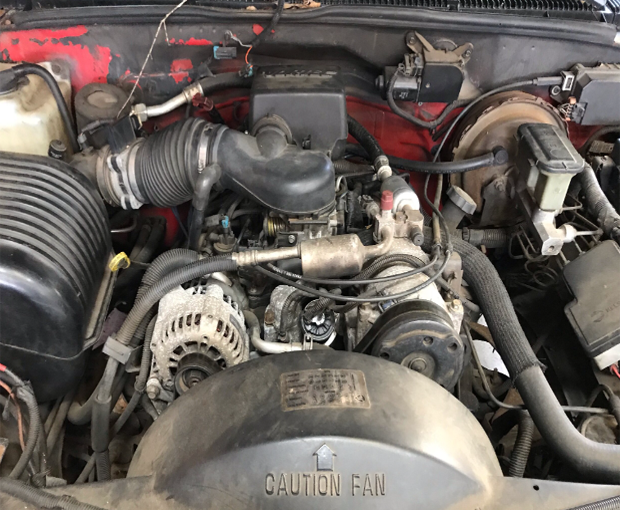
Although the 5.7L Vortec engine is typically dependable, there are a few problems that may arise over time. In this article, we'll explore some of the most frequent issues with this engine, including their symptoms and solutions.
Intake Manifold Gasket Failure

One of the most frequent problems with the 5.7L Vortec engine is the failure of the intake manifold gasket. This gasket seals the intake manifold to the engine block and prevents air leaks. When the gasket fails, it can cause various issues, including coolant leaks, engine misfires, and even engine failure.
The symptoms of a failed intake manifold gasket in the Chevy 5.7 Vortec engine include coolant leaks, engine misfires, decreased engine performance, overheating, and white smoke from the exhaust pipe. The solution is to replace the intake manifold gasket and inspect the intake manifold for damage or warping, which may also need replacement. It's recommended to replace both the upper and lower gaskets simultaneously to prevent future failures.
Oil Pressure Issues

Low oil pressure is another common problem with the 5.7L Vortec engine. This can lead to engine damage and even engine failure. The oil pump controls the oil pressure, and any issue with the oil pump or oil pressure sensor can cause low oil pressure.
If you experience low oil pressure, check the oil level and inspect the oil pressure sensor and pump for faults. Symptoms of low oil pressure include engine knocking, misfires, and failure. The only fix is to replace any faulty components.
Fuel Injection System Issues
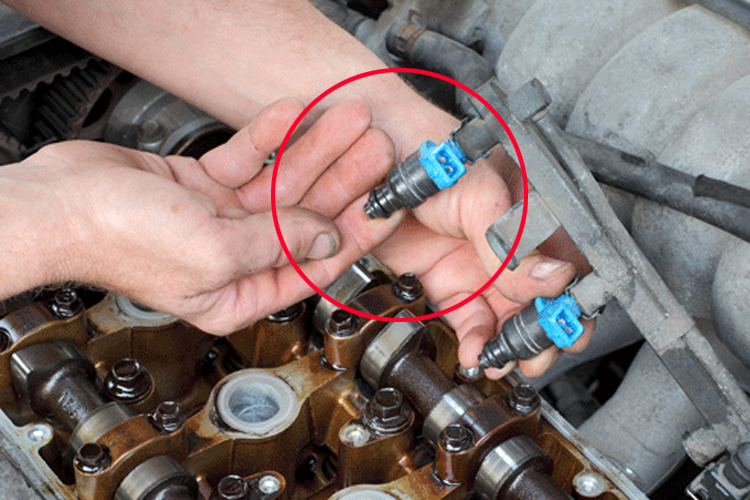
Any issues with the fuel injection system can cause poor engine performance and even engine failure. The fuel injection system includes the fuel injectors, fuel pump, and fuel pressure regulator.
If your engine is not performing well, misfiring, consuming more fuel, hesitating, or idling roughly, there might be problems with your fuel injection system. To diagnose these issues, you can check the fuel pressure to ensure it meets the manufacturer's specifications. If the fuel pressure is low, inspect the fuel pump and regulator. You should also replace the fuel injectors if they are clogged or damaged.
Camshaft and Lifters Issues

These components play a vital role in opening and closing the engine valves, and any problem with them can lead to engine misfires, decreased engine performance, and, worst of all, engine failure. It's essential to keep these parts in top condition to ensure the longevity of your engine and avoid any breakdowns on the road.
When you notice engine misfires, decreased engine performance, engine noise, or rough idling, it's recommended to inspect the camshaft and lifters for wear or damage. Replacing them is necessary if they are damaged. Checking the pushrods and rocker arms for wear or damage is also advised.
Ignition System Issues

It's the one responsible for igniting the fuel and air mixture in the engine cylinders, and if anything goes wrong with it, you can kiss your engine goodbye. Imagine the frustration of experiencing engine misfires, decreased engine performance, and even engine failure, all because of a faulty ignition system.
To address ignition system issues, you should first check the spark plugs, ignition coils, and spark plug wires for wear or damage. If any of these components are faulty, they should be replaced. Additionally, it's recommended to inspect the distributor cap and rotor for wear and replace them if necessary.
5.7L Vortec Engine Life Expectancy
Assuming proper maintenance, the 5.7L Vortec engine can easily last upwards of 200,000 miles, with some drivers even reporting over 300,000 miles on the odometer. Of course, this isn't a guarantee, and there are always outliers on both ends of the spectrum. It's important to note that the life expectancy of any engine is highly dependent on the level of maintenance it receives. Neglecting routine maintenance like oil changes, filter replacements, and regular inspections can significantly shorten an engine's lifespan.
But let's not forget that external factors like driving conditions and habits also influence the lifespan of an engine. Heavy towing or hauling, constant stop-and-go traffic, and aggressive driving can all put additional stress on the engine and reduce its overall lifespan.
Enter your vehicle and target engine to see a compatibility verdict, estimated cost, required changes, and whether it's the right move.
Get My Swap VerdictWhat Models Use the 5.7L Vortec?
The 5.7L Vortec engine, also known as the 350 L31, is a popular engine produced by General Motors. This engine was first introduced in 1996 and has been used in many vehicles, including pickup trucks, SUVs, and vans.
The 5.7L Vortec engine has been used in a variety of GM vehicles over the years. Some of the most popular models that use this engine include the Chevrolet Silverado and Suburban, the GMC Sierra and Yukon, and the Cadillac Escalade.
Car Models with 5.7L Vortec Engine
|
Make |
Model |
Year Range |
|
1999-2000, 2022-2023 |
||
|
Chevrolet |
C1500 |
1996-1999 |
|
Chevrolet |
C1500 Suburban |
1996-1999, 1999-2001 |
|
Chevrolet |
Express 1500 |
1998-1999, 2000-2002, 2001 |
|
Chevrolet |
K1500 |
1996-1999 |
|
Chevrolet |
K1500 Suburban |
1996-1998, 1998-1999, 1999-2001 |
|
1996-2000 |
||
|
GMC |
C1500 |
1997-1999 |
|
GMC |
C1500 Suburban |
1997-1999, 1999-2001 |
|
GMC |
K1500 |
1996-1999 |
|
GMC |
K1500 Suburban |
1996-1998, 1998-1999, 1999-2002 |
|
GMC |
Savana 1500 |
1996-1999, 2000-2002 |
|
1997-1998, 1998-1999, 1999-2002 |
Is 5.7L Vortec a Good Engine?
The 5.7L Vortec engine is a well-respected engine in the automotive industry. It has been used in many different types of vehicles, from trucks to SUVs, and has a reputation for being durable and reliable. The engine has been in production for over 25 years, which is a testament to its longevity and popularity. Of course, like any engine, it has its pros and cons, but overall, I would say that the 5.7L Vortec is a good engine.
Stop comparing specs in your head. Enter your vehicle and the engine you want — get a structured verdict with cost, complexity, and a clear recommendation.
See If This Swap FitsFAQs
1. What vehicles used the 5.7 Vortec engine?
The 5.7 Vortec (L31) engine was factory-installed in 1996–2000 Chevrolet Silverado 1500, Suburban, Tahoe, and GMC Sierra and Yukon models. It was also used in some Express and Savana vans during those years.
2. What’s the horsepower of the Chevy 5.7 Vortec engine?
The 5.7 Vortec produces around 255–260 horsepower and 330 lb-ft of torque in stock form, depending on the model year and tuning setup between 1996 and 2000.
3. What’s the compression ratio of the 5.7 Vortec?
The compression ratio on the 5.7 Vortec L31 is 9.4:1, giving it solid mid-range torque while allowing it to run reliably on regular unleaded fuel.
4. How reliable is the 5.7 Vortec engine?
When maintained properly, the 5.7 Vortec can easily surpass 250,000 miles. The main reliability issues come from intake manifold gasket leaks and distributor gear wear, especially in 1996–1998 models.
5. What oil type should I use in a 5.7 Vortec?
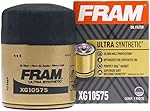
Use 5W-30 conventional or synthetic oil. Most owners stick to 5-quart changes with a PF1218 filter every 3,000–5,000 miles for longevity.
6. What vehicles came with the L31 5.7 Vortec?
The L31 was found in 1996–2000 Chevy Silverado, Tahoe, Suburban, and GMC Sierra, Yukon, and Savana models. It’s the last generation of the small-block Chevy before LS engines appeared.
7. How long does the 5.7 Vortec engine last?
Most 5.7 Vortecs last 200,000–300,000 miles with proper oil changes and cooling system upkeep. Poor maintenance often leads to premature lifter and head gasket wear.
8. What are the common problems with the Chevy 5.7 Vortec engine?
Frequent issues include intake manifold gasket leaks, coolant loss, spider injector failure, and carbon buildup. 1996–1999 trucks often show early intake gasket wear due to design flaws.
9. What year did GM start producing the 5.7 Vortec engine?
The L31 Vortec 5.7 debuted in 1996 for Chevy and GMC trucks, replacing the older TBI 350 small block.
10. When did GM stop producing the 5.7 Vortec?
Production of the 5.7 Vortec L31 ended in 2002 in trucks and vans, making way for the 5.3L LS-based engines in 2001–2003 models.
Shop From Amazon


11. How much torque does the 5.7 Vortec have?
Factory ratings were around 330 lb-ft of torque at 2800 rpm, giving the 1996–2000 trucks excellent towing and hauling performance for their class.
12. What’s the firing order of the 5.7 Vortec engine?
The firing order for all Chevy 5.7L V8s, including the L31 Vortec, is 1-8-4-3-6-5-7-2. Cylinder 1 is located at the front driver side of the block.
13. What type of fuel injection does the 5.7 Vortec use?
It uses a Central Sequential Fuel Injection (CSFI) system, later replaced by the Multi-Port Fuel Injection (MPFI) spider upgrade for improved reliability.
14. Is the 5.7 Vortec an LS engine?
No. The 5.7 Vortec is the final version of the traditional small-block Chevy (Gen I+), not an LS-series engine. It still uses a distributor and non-coil ignition.
15. Can I swap a 5.7 Vortec into older trucks?
Yes. The 5.7 Vortec swaps easily into older Chevy C/K trucks (1988–1995) with minor wiring and fuel system modifications. You’ll need a compatible ECM and OBD-II setup for best results.
16. What transmission pairs with the 5.7 Vortec?
Common factory transmissions include the 4L60E automatic for 1500 models and the heavier 4L80E for 2500 and 3500 HD trucks from 1996–2000.
17. How many liters is a 5.7 engine?
The 5.7-liter engine equals 350 cubic inches in displacement, which is why it’s often called a 350 small-block.
18. What spark plug gap should I use on a 5.7 Vortec?
The correct spark plug gap for the 5.7 Vortec is 0.060 inches (1.52 mm). Using AC Delco 41-993 plugs is recommended for stock ignition setups.
19. What’s the recommended timing for a 5.7 Vortec?
Base timing is not adjustable because it’s controlled by the PCM. However, the distributor must be set correctly at Top Dead Center during installation to avoid misfire codes.
20. What coolant should I use in a 5.7 Vortec engine?
Use Dex-Cool orange coolant, mixed 50/50 with distilled water. Many owners switch to green coolant after flushing to avoid Dex-Cool sludge in older 1996–1999 systems.
Shop From Amazon


21. What’s the valve clearance spec for the 5.7 Vortec?
Hydraulic roller lifters self-adjust, but preload should be 1/2 to 3/4 turn past zero lash when tightening rocker arms. Always follow torque specs during assembly.
22. How much oil does the 5.7 Vortec engine hold?
It holds about 5 quarts with a standard PF1218 oil filter, or 6 quarts if you’re using a larger capacity pan or towing application.
23. What’s the cylinder head casting number for the 5.7 Vortec?
Common head castings are 906 and 062, both featuring fast-burn style chambers that boost airflow compared to older 350 heads.
24. How do I identify a 5.7 Vortec engine block?
Look for the “10243880” or “14093638” casting number near the rear bellhousing flange, used on 1996–2000 Chevy trucks.
25. What’s the stock camshaft spec for the 5.7 Vortec?
The factory cam measures 191/196° duration at 0.050" lift and .414"/.428" lift, providing smooth idle and strong low-end torque.
26. Can I run a carburetor on a 5.7 Vortec?
Yes. You can use an intake manifold adapter or aftermarket Vortec carb manifold, plus a standalone HEI distributor for spark control.
27. What’s the towing capacity with the 5.7 Vortec engine?
In 1996–2000 Silverado and Sierra 1500s, towing capacity ranged from 7,000–8,500 lbs depending on axle ratio and transmission type.
28. Is the 5.7 Vortec good for performance builds?
Absolutely. The 5.7 Vortec has strong heads and responds well to cam, intake, and exhaust upgrades, easily making 350–400 hp with bolt-ons.
29. What are the piston specs for the 5.7 Vortec?
Stock pistons are hypereutectic aluminum with a 9.4:1 compression ratio and 1.56-inch compression height. Bore size is 4.00 inches.
30. What’s the torque sequence for Vortec cylinder heads?
Start from the center bolts and work outward in three stages: 25 lb-ft, 45 lb-ft, and 65 lb-ft final torque using factory-style head bolts.
Shop From Amazon


31. What’s the recommended octane for the 5.7 Vortec?
Regular 87 octane fuel is fine for stock tuning. Higher compression builds or towing under heavy load may benefit from 89 or 91 octane.
32. What intake manifold fits a 5.7 Vortec?
Use a Vortec-specific bolt pattern intake such as the GM 12496820 or Edelbrock Performer RPM Air-Gap designed for 1996–2000 heads.
33. What’s the redline RPM for a stock 5.7 Vortec?
The safe redline is about 5,200 rpm due to hydraulic roller lifters and factory valve springs. Upgraded springs can push it to 6,000 rpm.
34. How much does a 5.7 Vortec engine weigh?
It weighs around 575 lbs fully dressed with accessories and iron heads. A stripped long block typically weighs 425 lbs.
35. What’s the spark plug thread size on the 5.7 Vortec?
14mm thread, 3/4-inch reach, gasket seat plugs like AC Delco 41-993 or NGK TR55 are standard.
36. Can I install headers on a 5.7 Vortec?
Yes, shorty or long-tube headers fit easily. Look for sets designed for 1996–2000 Silverado or Sierra 5.7L applications to match port shape.
37. How can I increase fuel economy on a 5.7 Vortec?
Regular tune-ups, O2 sensor replacement, upgraded exhaust, and PCM reflash can improve MPG from 13–15 to 16–18 highway.
38. What’s the factory idle RPM for the 5.7 Vortec?
Idle speed is 600–650 rpm in Drive for automatics and 650–700 rpm in Neutral. PCM controls idle through the IAC valve.
39. What coolant temperature should a 5.7 Vortec run at?
Normal operating range is 190–210°F. A stuck thermostat or air pocket can cause false high readings on older trucks.
40. How can I tell if my 5.7 Vortec has bad intake gaskets?
Look for external coolant leaks at the intake manifold corners or milky oil. It’s the most common 5.7 Vortec failure on 1996–1999 models.
41. What are the torque specs for intake manifold bolts?
Tighten in sequence to 11 lb-ft. Over-torquing will crack the plastic intake or cause sealing issues on aluminum manifolds.
42. Does the 5.7 Vortec have hydraulic or solid lifters?
It uses hydraulic roller lifters. This setup reduces valvetrain noise and maintenance compared to flat-tappet designs.
43. What’s the stock fuel pressure on a 5.7 Vortec?
Fuel pressure should read 60–66 psi with key on engine off. Anything under 55 psi will cause lean misfire or hard starts.
44. Can I run E85 fuel in a 5.7 Vortec?
No, the fuel system was not designed for ethanol blends higher than 10%. E85 can degrade seals and cause lean running conditions.
45. What’s the crankshaft material on the 5.7 Vortec?
It uses a nodular iron crankshaft with two-piece rear main seal. Balanced for smooth operation up to 5,200 rpm.
Shop From Amazon

46. Is the 5.7 Vortec a good towing engine?
Yes, it’s well known for low-end torque and reliability. Many 1996–2000 Silverado 2500 owners still tow daily with over 200k miles on the clock.
47. Can the 5.7 Vortec handle boost?
Up to 6 psi safely on stock internals. Beyond that, upgrade pistons and rods—factory compression is 9.4:1 which limits boost tolerance.
48. What’s the bolt pattern for the 5.7 Vortec bellhousing?
Standard small-block Chevy pattern fits TH350, 700R4, 4L60E, and 4L80E transmissions without modification.
49. Can I rebuild a 5.7 Vortec myself?
Yes, it’s one of the easiest GM V8s to rebuild. Parts are cheap and widely available, and standard machining procedures apply.
50. What’s the best oil pressure reading for a 5.7 Vortec?
Expect 25–30 psi at hot idle and 45–60 psi at 2,000 rpm. Anything under 20 psi at idle suggests worn bearings or a weak pump.

Nick Marchenko, PhD
Industrial Engineer & Automotive Content Specialist
Nick writes in-depth guides on car clubs, engine specs, vehicle ownership, and modifications, combining engineering knowledge with automotive passion.
Full profile → LinkedIn →You May Also Like
Here Are The 5 GMC Yukon Years to Avoid
3 years agoAre you in the market for a GMC Yukon? Before you make a purchase, it's important to know which years to avoid. From faulty antilock/traction control systems to problematic electrical issues, we&...
A Guide to GMC Yukon Warning Lights (Symbols, Meaning & How to Respond)
3 years agoIlluminated warning lights on a GMC Yukon's dashboard are lifesavers - they provide drivers with crucial insight into potential issues that can not only prevent damage to the car but also avert ac...
What is the Firing Order On a 5.3 Chevy Engine?
2 years agoWhen we talk about the firing order of the 5.3 engine, it's a bit like the dance steps to a perfectly choreographed routine. It's all about the sequence in which each cylinder gets its spark....
Reviving Luminance: How to Clay-Barrel Your GMC Yukon Correctly
2 years agoAs a representation of tough style and powerful performance, your GMC Yukon needs careful maintenance to keep its showroom gleam. Using a clay bar correctly is one of the most important elements of ac...
How to Connect Android Auto to GMC Yukon
2 years agoAndroid Auto is cutting-edge technology that allows seamless integration between your Android smartphone and your GMC Yukon's infotainment system. With Android Auto, you can access a wide range...