Disclaimer: Not affiliated with or endorsed by GMC Motor Company. For informational purposes only. Full Disclaimer
What to do When Your GMC Acadia Won't Start But Just Turns Over
Updated:
If you find yourself in a situation where your GMC Acadia won't start but just turns over, it can lead to some problems with your car.
Fortunately, there are several potential reasons for this issue, and understanding them can help you diagnose and address the problem effectively.
Are you ready to explore the common causes behind a GMC Acadia not starting and get to know a couple of practical steps on what you need to do to troubleshoot and resolve the issue? Let's go then!
General explanation of the situation

When your GMC Acadia turns over but does not start, it means the engine is cranking, but combustion is not occurring to initiate the running of the engine.
Various factors can contribute to this, and a systematic approach for solving the problem is required. Let us show you a couple of potential causes for that as well as appropriate solutions for each trouble:
A) Fuel delivery issues
Symptoms
Check if there's fuel in the tank and whether the fuel gauge is working accurately. A faulty fuel pump, clogged fuel filter, or issues with fuel injectors could also lead to fuel delivery problems. What to do:
- Confirm there's sufficient fuel in the tank.
- Listen for a humming sound near the fuel tank when you turn the key since this indicates the fuel pump is working.
- Consider checking and replacing the fuel filter.
- If the fuel pump is suspected, consult a professional for further diagnostics.
B) Ignition system problems
Symptoms
Faulty spark plugs, ignition coils, or a malfunctioning ignition system can prevent proper combustion. What to do:
- Inspect the spark plugs for signs of wear or fouling and replace if necessary.
- Check the ignition coils for any visible damage.
- Use an ignition tester to verify if the spark plugs are firing correctly.
- If issues persist, consult a mechanic for a more in-depth analysis.
Shop From Amazon


C) Battery and starter issues
Symptoms
A weak or dead battery, a faulty starter motor, or a bad starter solenoid can hinder the starting process. What to do:
- Check the battery voltage using a multimeter; a fully charged battery typically reads around 12.6 volts.
- If the battery voltage is low, attempt a jump start or recharge the battery.
- Ensure the starter motor and solenoid are functioning correctly.
- Consider testing the battery and starter at an auto parts store or consult a professional for assistance.
D) Engine mechanical problems
Symptoms
Internal engine issues such as a seized engine or lack of compression can prevent the engine from starting. What to do:
- Attempt to manually turn the engine using a wrench on the crankshaft pulley (if accessible).
- Perform a compression test to check for issues in the cylinders.
- Seek professional help for a thorough inspection if internal engine problems are suspected.
E) Faulty sensors or computer issues
Symptoms
Malfunctions in sensors like the crankshaft position sensor or issues with the engine control module can disrupt the starting process. What to do with this kind of problem:
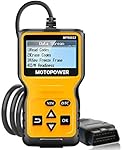
- Scan for any diagnostic trouble codes using an OBD-II scanner.
- Address specific codes related to sensors or the ECM.
- Consult a mechanic for advanced diagnostics if needed.
These are the most widespread and common issues related to the topic

However, you might need some general troubleshooting steps that we advise you to consider:
A) Check for warning lights
First of all, examine the instrument cluster for any warning lights that could provide insight into the issue. Pay attention to the check engine light or other relevant indicators.
B) Listen for unusual noises
While attempting to start the vehicle, listen for any unusual sounds like clicks, grinding, or a lack of the typical engine cranking noise. These can offer clues about the problem.
C) Verify transmission position
Ensure the vehicle is in the correct gear (Park or Neutral for an automatic transmission or Neutral for a manual transmission). Some vehicles have a safety feature that prevents starting in gear.
D) Test the security system
If equipped, check the vehicle's security system. A malfunctioning system might prevent the engine from starting.
E) Inspect the key and ignition cylinder
Examine the key for any signs of damage and try using a spare key if available. Additionally, check for any issues with the ignition cylinder, such as difficulty turning the key.
Preventive measures

In order to avoid facing a situation where your GMC Acadia won't start, consider implementing these preventive measures:
-
Regular maintenance Adhere to the manufacturer's recommended maintenance schedule, including oil changes, spark plug replacements, and fuel system cleaning.
-
Battery health Keep the battery terminals clean and secure. Regularly check the battery's voltage, especially before long trips.
-
Fuel quality Use high-quality fuel to prevent issues related to fuel system components.
-
Ignition system checks Periodically inspect and replace spark plugs, ignition coils, and related components.
-
Address warning lights promptly Attend to any warning lights on the dashboard promptly. Ignoring them could lead to more significant problems.
FAQs
Why won't my GMC Acadia start but just turns over?
The reason for this problem could be different, for example, fuel failure, ignition system problems, battery or starter failures, engine mechanical faults, and malfunctioning of the sensors. To identify and solve the particular cause, it is essential to adopt a systemic problem-solving approach.
How do I check if there's enough fuel in my GMC Acadia?
Please make sure your fuel gauge is working properly. If you turn the key, listen for a humming sound near the fuel tank, and this indicates that the pump is working. In addition, check for fuel levels in the tank.
What should I do if my Acadia's battery is weak or dead?
The battery's voltage shall be checked with a multimeter, and fully charged batteries usually read about 12.6 volts. Try to jump-start or recharge the battery if your voltage isn't high. Try to test your battery at the auto parts store or talk to a professional.
How do I diagnose ignition system problems in my Acadia?
Check the spark plug to make sure it's not worn or dirty, examine the ignition coil for damage, and use an ignition tester to check if the spark plugs are firing correctly.

Nick Marchenko, PhD
Industrial Engineer & Automotive Content Specialist
Nick writes in-depth guides on car clubs, engine specs, vehicle ownership, and modifications, combining engineering knowledge with automotive passion.
Full profile → LinkedIn →You May Also Like
How to keep your GMC Acadia in a good condition?
2 years agoMaintaining the health and longevity of your GMC Acadia is not only a matter of pride but also a smart investment in your vehicle's performance and resale value. Adopting a holistic approach to...
GMC Infotainment Screen Blank
2 years agoThe comfort and technology offered by their vehicles are appreciated by those who own a GMC Acadia , along with many other vehicle enthusiasts. However, issues with a blank screen on the infotainme...
What Size Camper Can a GMC Acadia Pull
2 years agoThe GMC Acadia is a midsize SUV geared towards enhancing the leisure pursuits of Columbus, Grove City, and Dublin OH drivers. Thanks to its impressive towing capacity, with the appropriate equipmen...
GMC Arcadia Brake Lights Fail - Causes And DIY Solutions
2 years agoFixing a GMC Acadia's brake light failure can be a straightforward task if approached methodically. Whether you're facing issues with the brake lights, turn signals, or hazard lights, the...