Disclaimer: Not affiliated with or endorsed by Ford Motor Company. For informational purposes only. Full Disclaimer
How To Upgrade Sound System of Ford Ranger
Updated:
For Ford Ranger enthusiasts, the rumble of its engine and the sound of the wind while cruising down the highway can be pure music to their ears. However, there are moments when you'd prefer some laid-back tunes during your commute.
This becomes even more essential on lengthy road trips. A handpicked playlist is crucial. For those traveling with family, especially kids, the Ranger's multimedia system can be a lifesaver, doubling as an entertainment hub.
But let's face it, the default audio system of the Ranger might not always live up to your expectations. Whether it's not loud enough to drown out the ambient noise, or you're hearing some unexpected sounds, it's alright to expect more. If your Ranger’s sound system isn't cutting it, this guide will help you elevate your audio experience.
Assess the situation - Maybe leave it to the pros?
Upgrading the Ford Ranger's audio system isn't a walk in the park. It demands a good grasp of electrical systems, not to mention knowledge of the Ranger's wiring specifics.
Messing up the wiring can lead to disruptions or even pose potential hazards to your vehicle's electrical system. If you're not up for the challenge, it might be best to let professionals handle the job. Save time and ensure top-notch work that'll make your Ranger's new sound system truly sing.
First things first: Disconnect that battery!

Before diving into any electrical work on the Ford Ranger, always disconnect the negative battery terminal. This safeguards both you from potential shocks and your Ranger from electrical mishaps.
What's in your toolbox for a Ranger stereo upgrade?
Depending on your upgrade plans, you'll need a specific set of tools. But here's a basic list that'll come in handy:
Shop From Amazon


Essentials include:
- Wrench set;
- Insulating tape;
- Screwdrivers (Phillips and flathead);
- Pliers;
- Soldering iron;
- Specific wires for your upgrade;
- Electrical diagram of the Ranger or Ford Ranger Owner's Manual;
- Multimeter.
Speaker Strategy
Let's be honest, a lion's share of your audio experience, around 70%, comes down to the speakers. Bargain-bin speakers can sometimes compromise the experience. Over time, they might distort, or their volume might dwindle.
Investing in premium speakers from reputable brands can be a game-changer. Typically, you're looking at a ballpark of $100-$200 per unit. If you're willing to splurge a bit, $200 and above gets you into the audiophile territory.

Matching speakers to your Ford Ranger
Besides eyeing top-tier speakers, ensure they're a perfect fit for your Ranger's model year. Every vehicle has specific slots for speakers, and you'd want ones that nestle in seamlessly.
Make sure they aren’t oversized or undersized for the designated space. You can find the exact specifications and number of speakers tailored for your Ford Ranger here.
Guidelines for Speaker Installation in Your Ford Ranger
Alright, gearheads! If you've managed to pick out the right set of speakers, installing them should be a breeze, given the Ranger's user-friendly design. Let's crank the DIY engine and delve into the process:
1. Pinpoint those speakers (Each Ford Ranger might have a slightly different setup);
2. Remove any trim or paneling that's in the way (like door panels);
3. Gently remove the stock speakers (They could be held by screws or bolts);
4. Disconnect those wires from the speakers. Pro tip: Label the + and - wires. It's all fun and games until something's wired backwards;
5. Slide in your new speaker. If it's the right size, it should fit seamlessly. If not, you might need to be a bit crafty;
6. Wire up the speaker, following the original diagram;
7. Ensure the speaker sits tight and doesn't rattle or shift;
8. Reattach the trim or paneling;
9. Repeat for each speaker replacement.

Remember, you can always get creative with speaker placement. Want them in the door, under the seats, or even in the glovebox? Go wild, but remember you might need some additional modifications.
For the sake of sound quality, try to stick with one brand for all speakers. And be wary - too many speakers in the door might result in some unwanted vibrations, or worse, trim that won't stay put.
The Lowdown on Subwoofers
Every Ford Ranger deserves that punchy bass. That's where the subwoofer comes in, focusing on those low-frequency beats that typical car speakers just can't handle.
Subwoofers give your music that depth and richness, ensuring movie soundtracks and other audio content feels as immersive as possible. On average, expect to drop between $250-$300 for a quality sub.
Choosing Your Ranger's Perfect Subwoofer
It's not just about bass - it's about getting the right kind of bass for your Ranger. First up, decide between an active or passive subwoofer.

Benefits of Active Subwoofers
Built-in Amplifier. The convenience of having an integrated amplifier means one less thing to buy and a more streamlined installation in your Ranger.
Space-saving Design. These babies are often compact, fitting seamlessly into the confines of a truck.
Simple Setup. With the built-in amp, it's mostly a plug-and-play operation. Connect power and audio, and you're set to amp up your Ranger's sound system.
Fine-tuning Potential. Adjust bass response to harmonize perfectly with your Ranger's acoustics and other speakers.
Active Subwoofer Drawbacks
Heftier Price Tag. Owing to the integrated amplifier, active car subwoofers usually carry a steeper price compared to their passive counterparts.
Placement Hurdles. Due to their need for close proximity to a power source, like a vehicle's battery, the placement flexibility of active subwoofers in a Ford Ranger can be somewhat limited.
Passive Subwoofer - these are devoid of a built-in amplifier. You'd have to bag an amplifier separately to get this one running.
Pros of Opting for a Passive Subwoofer
Amp Choice Freedom. With passive subwoofers for the Ford Ranger, you're in the driver's seat when it comes to selecting an external amplifier. This choice allows you to gun for premium amplification solutions tailored to your preferences, thereby enhancing the audio output.
A Wallet-friendly Alternative. Generally, passive car subwoofers have a more palatable price tag, mainly because they come without an embedded amplifier.
Flexible Placement Options. Passive subwoofers, not being tethered to an internal amplifier, offer a broader placement palette. This means you can strategize the placement of the subwoofer and amplifier separately, optimizing space within your Ford Ranger.
Downsides of a Passive Subwoofer
The Need for Extra Gear. A Ford Ranger's passive subwoofer will demand an external amplifier. This could mean a tad more wiring and additional components, potentially complicating the setup and driving up costs.
Fewer Knobs to Tweak. Compared to their active peers, passive subwoofers offer a narrower range of control and adjustability. You might find yourself tinkering with the external amplifier settings to hone that perfect bass response.
Real Estate Concerns. When you factor in the need for an external amplifier, a Ford Ranger might require more room compared to more compact active setups.
Power shouldn't be an afterthought when shopping for a subwoofer. Here are some power metrics to keep front and center:
- Nominal (RMS - Rated Maximum Sinusoidal) power - a marker of the speaker's prowess at sustained, top-notch performance sans distortions;
- Peak Power - this metric gauges the subwoofer's short burst performance (typically up to 2 seconds) sans noteworthy sound anomalies and devoid of any mechanical setbacks.
What About Sensitivity? This isn't about the subwoofer's feelings but its output prowess. Remember, power is more about consumption. It's a dance between the diffuser's surface area and its movement dynamics (ever heard of the big-small subwoofer debate?).
A rule of thumb? A 3-decibel sensitivity uptick is akin to doubling your volume.
Resistance (Impedance) - measured in ohms. This stat gives you the lowdown on the amplifier's working power. A lower resistance means you can squeeze more juice out of your amplifier but with a trade-off in sound quality. A resistance of 4 ohms, a common stat for Ford Ranger subwoofers, strikes a good balance.
And, a parting thought – don't just go big for the sake of it. Sure, larger models pack a punch and often deliver crisper sound. But remember, it's gotta fit snugly in your Ranger. Plan its home before you buy.
Revamping Your Ford Ranger's Sound with the Right Subwoofer Install

Alright, Ranger enthusiasts, if you're ready to add that bass punch to your rides, here's how to do it. After you've scouted out the perfect spot for your subwoofer, dive right into the installation process.
Even though this guide has the Ford Ranger in mind, always remember that every model might have its nuances. If you hit a snag, don't hesitate to reach out; we're here to help.
First, find the optimal spot for the amplifier. Think under the seat or in the back area. You'll want it near enough to the battery for power but distant from potential heat or dampness sources.
After fastening down the amplifier, snake the power cord from the battery's positive terminal straight to it. And, for safety's sake, ensure there's a fuse guarding that power wire close to the battery.
Got an active subwoofer? You're in luck. Skip the amp dance and plug your sub directly into the speakers—it comes with its own built-in amplifier.
For grounding, connect a wire from the amplifier to a clean, uncoated metal spot on the Ranger's frame. Short and sweet is the mantra for this connection.
Next, run those RCA cables from your stereo to the amp for transmitting the tunes. Pro-tip: Lay them opposite the power wire side to steer clear of unwanted interference.
Speaker wires come next. Attach one end to the amp and the other to the subwoofer. It's all about positive to positive, negative to negative, both ways.
Slide your subwoofer into its designated enclosure or box. Remember, the size and build of the box can influence the sound, so choose wisely.
Once snug in its home, secure the subwoofer box in your Ranger. While the back is usually a good bet, it's your truck and your sound—go with what feels right. Reconnect the battery, fire up the stereo, and start tweaking. Balance your fresh sub with the Ranger's existing speaker setup, adjusting gains, crossovers, and even EQ settings on the stereo.
Last but never least, double-check every connection. Loose wires can be an audiophile's worst nightmare, impacting sound and risking damage to your gear.
Amplifier Selection for Your Ford Ranger's Audio Bliss

When scouring for an amplifier to grace your Ranger with, take these pointers to heart.
Ensure your amplifier matches your speaker's vibe. If their power and resistance don't gel, you might be compromising sound quality and the lifespan of your amplifier.
Classes A, B, C, D, AB—it might sound confusing, but focus on AB and D. AB boasts fantastic sound output, while D champions efficiency. Depending on your Ranger's audio goals, pick wisely.
Monoblocks? Tailored for that added subwoofer to an existing sound system. Two-channel amps? Versatility is their middle name. If you're orchestrating a complete audio symphony, maybe a four-channel or five-channel is up your alley.
When speaking "power," know that as speaker resistance increases, power sees a dip. Typically, amplifiers will reproduce frequencies between 20 - 20000 Hz. And if you're a true blue audio enthusiast, don't skip over factors like distortion and signal-to-noise ratios.
Ready to Amplify Your Ford Ranger Experience?
First, find the perfect spot within your Ranger to settle that amplifier. Remember, a well-ventilated space, away from dampness and overheating is key.
Got your spot? Secure that amplifier with screws or use robust brackets.
Now, link the power wire from the battery straight to the amp. While you're routing it through the Ranger's firewall, safety is crucial - a fuse holder near the battery is essential. This keeps everything tidy and hazard-free.

Time to ground it. Scout a metal contact point near your amp. Strip the ground wire's end, ensuring a flawless metal-on-metal bond.
There’s a remote start wire lurking behind your radio or possibly in the fuse box. Connect it. This little wire ensures your amp leaps into action the moment your Ranger's stereo roars.
For those with RCA-ready stereos in their Ranger, run RCA cables from the stereo directly to the amp. No RCA outputs? No worries. A line-out converter will bridge the gap between the vehicle’s speaker wires and the amp’s RCA inputs.
Speaker time! Direct the speaker wires from the amp to each speaker or subwoofer, ensuring positive and negative are spot on.
Once you’ve double-checked all connections and insulated any exposed wires, you're good to go!
The Heartbeat: The Head Unit
While the Ranger boasts a decent stock audio system, sometimes you need to dial it up. Whether it's to improve functionality or simply craving better sound quality, changing the head unit might be your next move.
Picking the Right Head Unit for Your Ranger
When upgrading, consider the DIN size: single, 1.5, or double. This refers to the unit's size. For a hassle-free swap, match your current DIN. But if you're looking to go bigger or smaller, be ready for some tweaks to the central panel and wiring adjustments.
Upgrading Your Ranger’s Head Unit
Matched the DIN size? Installation should be a breeze. Going bigger? Test the space before committing. Familiarize yourself with the Ranger's manual to spot essential wires. Safety first – double-check connections to avoid mishaps.
After unplugging the original unit, label each wire. This saves confusion later. Then, marry the Ranger’s wiring to the new radio's. Some units might need an adapter for a snug fit with the Ranger’s system. If so, get that connected.
Slide in the new head unit, ensuring a snug fit. Turn on the system and revel in the enhanced audio experience of your Ford Ranger.
Powering Up Your Ride
The Ford Ranger's electrical setup is engineered to deliver power to its crucial components, from the engine and fuel system to the lights and in-cabin comforts.
While the Ranger's electrical architecture is robust, it's essential not to overburden it.
Overloading it, especially with an upgraded audio system, can potentially affect the truck's overall performance and other electrical components.
Recognizing the signs of electrical stress is vital. Indicators that your Ford Ranger's electrical system may be under strain include:
- Complete power loss;
- Engine irregularities;
- Dimmed headlights;
- Dashboard lights flickering;
- Interruptions in audio playback, notably with bass-heavy tracks;
- Other system malfunctions reliant on electrical power.
If after installing new audio gear you notice these signs in your Ranger, take the following steps:
- Fire up your Ford Ranger's engine;
- Engage power-draining components like headlights, HVAC system, and wipers, and crank up that music;
- Access the battery, typically found under the hood;
- Utilize a multimeter to gauge the voltage across the battery terminals;
- Optimal readings should be between 14.2-15 Volts.
- Below-par readings indicate the electrical system is being overtaxed. Values under 13.5 suggest a significant power deficit.
When faced with a power deficiency, consider two primary solutions:
Opt for a robust alternator. The stock alternator in the Ranger may not suffice. Upgrading to a higher-output variant can be a solution. Ensure the alternator fits the Ford Ranger and delivers the required voltage.
For instance, if your Ranger's alternator outputs 80 A, think about an upgrade to at least 120 A.
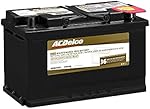
Integrate a supplementary battery. Instead of swapping the alternator, a secondary battery can bridge the power gap. Connecting the batteries in parallel ensures the added power boost.
Shop From Amazon


More than Just Sound
While you're at it, why not think beyond audio? Introducing multimedia touchscreens or a navigation system can elevate the Ranger experience.
Multimedia Touchscreen
Complementing your audio setup with screens for backseat passengers can redefine entertainment on the move. Whether it's movies, work, or simply flipping through multimedia, screens can be game-changers, especially for keeping younger passengers engrossed.
Navigation System
Frequent off-the-beaten-path adventures? A navigation system ensures you're always on course, making every journey in the Ford Ranger a breeze.
Shop From Amazon


Final Thoughts
Enhancing your Ford Ranger's audio can transform road trips, commutes, and every moment in between. Balance quality and budget, and when in doubt, don't hesitate to consult with pros.

Nick Marchenko, PhD
Industrial Engineer & Automotive Content Specialist
Nick writes in-depth guides on car clubs, engine specs, vehicle ownership, and modifications, combining engineering knowledge with automotive passion.
Full profile → LinkedIn →You May Also Like
Elevate Your Adventures: Equipping Your Ford Ranger with Roof Racks
2 years agoOwning a Ford Ranger means you are already prepared for adventures, but installing roof racks can enhance your outdoor activities. Roof racks are a useful accessory for every Ranger owner as they add...
Unveiling the Engine Bay: Opening the Ford Ranger's Hood
2 years agoAn essential part of vehicle maintenance and troubleshooting is accessing the engine compartment of your Ford Ranger. Knowing how to open the hood is crucial whether you need to conduct routine inspec...
What Size Camper Can a Ford Ranger Tow With Confidence?
2 years agoYou're not the only Ford Ranger owner who fantasizes about taking a camper on the open road. Ford Rangers are renowned for their adaptability and capability, but when towing a camper, it's cru...
Engine fault service now: Ford Ranger
2 years agoAre you puzzled by the appearance of the "engine fault service now" message on your vehicle's dashboard? For most drivers, this warning can be disconcerting, especially when its meaning...
Ford Ranger Tire Pressure Sensor Fault
2 years agoThe Ford Ranger comes equipped with a Tire Pressure Monitoring System (TPMS) designed to alert the driver when one or more tires are substantially under-inflated. This can lead to potentially hazar...
Ford Ranger Shift System Fault
2 years agoAre you frustrated with repeatedly encountering the "Shift System Fault: Service Required" notification, yet you are uncertain about its implications and the underlying issue? This guide wil...