Disclaimer: Not affiliated with or endorsed by Ford Motor Company. For informational purposes only. Full Disclaimer
Ford Ranger Tire Pressure Sensor Fault
Updated:
The Ford Ranger comes equipped with a Tire Pressure Monitoring System (TPMS) designed to alert the driver when one or more tires are substantially under-inflated.
This can lead to potentially hazardous driving conditions. This article addresses the causes of the amber-colored TPMS warning light in the Ranger and provides guidance on how to reset it.
Causes of the tire pressure sensor fault

Several factors can trigger the appearance of the tire pressure sensor fault message on your dashboard. Always consult the diagnostic trouble codes before drawing any conclusions. Here are the top four common causes of a tire pressure sensor fault message:
Faulty tire pressure sensor

A defective tire pressure sensor is the most prevalent culprit behind this message. These sensors, typically located within the tires, have built-in batteries that can deplete over time, necessitating the replacement of the entire sensor.
Tire pressure sensor memory loss
Occasionally, the tire pressure control module and the tire pressure sensors can lose communication with each other. In such cases, reprogramming the sensors may resolve the issue. To accomplish this, a TPMS reset tool is required.
Wheel changes

For those residing in colder regions with seasonal tire changes (summer to winter tires), it is essential to reset the TPMS after switching wheels.
Moreover, if your vehicle was never originally equipped with these tires, you may need to program the sensors to sync with your car. If the tire pressure sensor fault message appears following a wheel change, reprogramming the sensors might be necessary.
Low tire pressure
In certain car models, the tire pressure sensor fault light can also signify low tire pressure. Inflating your car's tires is a relatively straightforward task.
On the other hand, you may get help from an auto shop or a service station if you are unsure about the procedure. It is important to prevent over-inflating your tires, as high tire air pressure can also cause the tire pressure sensor fault light to illuminate. Therefore, maintaining the tire pressure at the correct level is imperative.
Is it safe to drive with a tire pressure sensor fault?

A malfunctioning tire pressure sensor may result from under or over-inflating one or more of your car's tires. You, your passengers, and other motorists are seriously put in danger when you drive on tires that are either too low or overly inflated.
Low tire air pressure can lead to tire blowouts, which raises the possibility of a catastrophic accident. Tires with low air pressure may flex at the sidewalls, increasing the amount of tire that makes contact with the road, and raising heat generation and friction.
Excessive heat can cause some of the tire's rubber to split, which increases the risk of a tire rupture, especially while driving at high speeds on the highway.
Shop From Amazon


On the other hand, overinflated tires can also be indicated by a problem with the tire pressure sensor, and that can be equally hazardous.
Overinflated tires have the same potential to burst when they come into contact with sharp objects or potholes on the road, much like an overfilled balloon.
An incident like this might make someone fearful, lose their composure, and possibly cause an accident. When dealing with a tire pressure sensor problem, it is crucial to take into account the chance that your tires have the incorrect air pressure, either too high or too low.
To fix this issue, it is advised that you check the air pressure in each of your tires with a tire gauge. This should be done at least three hours after the last trip or first thing in the morning when the tires are cool.
When tires are overinflated, let air out until the PSI (pounds per square inch) is attained. In the case of under-inflated tires, add air using an air pump until the tire pressure matches the recommended PSI for that particular tire.
Shop From Amazon
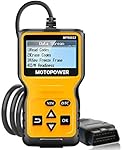


Apart from air pressure issues, a tire pressure sensor fault can also result from depleted sensor batteries or corroded metal valve stems.
It is preferable to replace the tire pressure monitoring system with a new one if the issue is caused by rusted valve stems or dead batteries.
A lost connection may occasionally be the cause of the sensor alert. This might happen if you have driven over a bump or pothole. Additionally, replacing your tires without connecting the new ones to the system can also trigger a sensor warning signal.
Resetting your tire pressure light
Check the tire pressure in each tire and inflate them as necessary to meet the recommended PSI, which may be found inside the driver's side door or in your owner's handbook.
If the Tire Pressure Monitoring System (TPMS) light appears on your dashboard and the problem persists after inflating the tires, consider the following actions:
Driving Technique to Reset TPMS Light
Attempt to reset the TPMS sensor by driving at a minimum speed of 50 MPH for approximately 10 minutes. When you start the car again, the TPMS light should have turned off.
Using the TPMS Reset Button
Start your car's battery without engaging the ignition. Locate the TPMS reset button, typically located beneath or near the steering wheel. Hold down this button until the dashboard light blinks three times. After you release the button and switch on the ignition, the light should turn off.
Adjusting Tire Pressure for TPMS Reset
All tires, including the spare, should be inflated to three PSI more than what is advised. Afterward, deflate them all completely. Once they are entirely deflated, reinflate them to the recommended tire pressure. This process will reset the TPMS sensors.
Battery Disconnection Method for TPMS Reset
With the vehicle turned off, open the car's hood and use a wrench to disconnect the positive battery cable. Turn on the car and honk the horn for approximately three seconds, then reconnect the battery. This action is intended to discharge any residual power stored in the vehicle, resulting in the TPMS light turning off.
The TPMS is engineered to offer real-time tire status information for your vehicle, aiming to enhance safety by notifying you of any deviations from standard conditions.
If a tire pressure sensor fault appears on your Ford dashboard due to underinflation or other factors, it is crucial to identify the cause and rectify it to restore TPMS functionality.

Nick Marchenko, PhD
Industrial Engineer & Automotive Content Specialist
Nick writes in-depth guides on car clubs, engine specs, vehicle ownership, and modifications, combining engineering knowledge with automotive passion.
Full profile → LinkedIn →You May Also Like
Engine fault service now: Ford Ranger
2 years agoAre you puzzled by the appearance of the "engine fault service now" message on your vehicle's dashboard? For most drivers, this warning can be disconcerting, especially when its meaning...
How To Upgrade Sound System of Ford Ranger
2 years agoFor Ford Ranger enthusiasts, the rumble of its engine and the sound of the wind while cruising down the highway can be pure music to their ears. However, there are moments when you'd prefer some l...
Elevate Your Adventures: Equipping Your Ford Ranger with Roof Racks
2 years agoOwning a Ford Ranger means you are already prepared for adventures, but installing roof racks can enhance your outdoor activities. Roof racks are a useful accessory for every Ranger owner as they add...
Ford Ranger Shift System Fault
2 years agoAre you frustrated with repeatedly encountering the "Shift System Fault: Service Required" notification, yet you are uncertain about its implications and the underlying issue? This guide wil...
Ford Ranger Starting System Fault
2 years agoRegrettably, encountering the Ford starting system fault implies that you are unable to initiate your engine. This can potentially lead to the need for a tow. Additionally, dealers might not always...
Ford Ranger Transmission Fault Service
2 years agoThe Ford Ranger, known for its robust performance and off-road capabilities, has been a staple in the pickup truck segment for a considerable time. It is an ideal choice for both hardworking indivi...