Disclaimer: Not affiliated with or endorsed by Ford Motor Company. For informational purposes only. Full Disclaimer
Identifying and Fixing Ford F250 Brake Lamp Bulb Issues
Updated:
Your Ford F250 is an effective tool for work and play, and it's more than just a car. When you encounter a "Brake Lamp Bulb Fault," it presents a safety risk in addition to being an annoyance.
This guide will delve into the reasons behind brake lamp bulb failures in your Ford F250 and provide useful advice on how to identify and rectify the issue. By the end of this transcript, you'll be better equipped to maintain the brilliant brake lights on your truck.
Finding the Typical Reasons

Your Ford F250 might display a "Brake Lamp Bulb Fault" warning for several reasons. The first step in addressing the issue is to identify the root causes. The following are some of the common culprits:
Burnt-Out Bulb
A burnt-out bulb is the most common reason for a brake lamp bulb malfunction. Incandescent light bulbs can undergo filament wear and tear over time, leading to a dim or non-functional brake light.
Shop From Amazon


Bad Socket Connection
The brake light bulb's electrical connection to the vehicle is facilitated by the bulb socket. An electrical disruption due to a loose or damaged socket connection might lead to a brake lamp malfunction.
Problems with the Wiring

Frayed or damaged wiring in the brake light circuit can disrupt the electric flow, triggering a warning. This damage can be due to wear and tear or exposure to harsh environmental conditions.
Issues with Brake Light Switch
The brake light switch, located near the brake pedal, activates the brake lights when you press the pedal. A malfunctioning or misaligned switch can hinder the brake lights from operating correctly.
Fuses and Relays
A warning might be triggered if there are issues with the fuses or relays controlling the brake lights. These components, designed to protect the electrical system, can fail or break, interrupting the brake light circuit.
Dealing with the Problem

After understanding the common causes of brake light bulb malfunctions in your Ford F250, consider these practical solutions:
Change the Bulb
If a burnt-out bulb is the problem, replacing it is straightforward. Consult your vehicle's manual to select the correct bulb type and follow the replacement instructions. As the left and right brake lights might use distinct bulbs, ensure you check both.
Examine and Clean Sockets
Before addressing connection issues, check the socket for signs of corrosion or loose connections. If you find any corrosion or looseness, clean the socket with a small wire brush or suitable contact cleaner. After cleaning, reattach the bulb securely.
Shop From Amazon


Wiring Repairs
Engage a certified technician or automotive electrician to detect and rectify any damaged or frayed wires causing the issue. They can restore the electrical link to the brake lights by replacing the defective wiring segments.
Brake Light Switch Replacement or Adjustment
If the brake light switch is problematic, seek assistance from a mechanic. They can assess the switch, make any required adjustments, and replace it to ensure it activates the brake lights upon pressing the pedal.
Fuse and Relay Check
If a blown fuse or malfunctioning relay is the culprit, consult your vehicle's manual to locate the fuse box and relay panel. Inspect the fuses and relays associated with the brake lights, and replace any that are blown or malfunctioning with suitable new ones.
Avoiding Future Problems

To ensure both your safety and that of other drivers, it's vital to prevent brake lamp bulb issues. Consider these preventative measures:
Frequent Inspection
Periodically check your brake lights to ensure they function correctly. This simple method can help detect potential issues early.
Bulb Maintenance
Consider switching to LED bulbs for your brake lights to significantly reduce the need for replacements. These bulbs are more durable.
Shop From Amazon


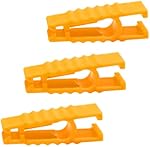
Socket Care
Regularly clean and inspect your bulb sockets during routine maintenance to keep them corrosion-free.
Wiring Protection
When performing any repairs or modifications involving the electrical system, ensure the wiring is secure and well-insulated.
In summary
Addressing a brake lamp bulb issue in your Ford F250 is crucial for both safety and convenience. With the right knowledge and approach, diagnosing and resolving this problem can be straightforward.
By conducting regular maintenance, driving cautiously, and responding promptly to any warning lights or malfunctioning brake lights, future brake lamp bulb failures can be averted.
Being informed and proactive ensures your Ford F250's brake lights remain bright, safeguarding you and everyone else on the road.

Nick Marchenko, PhD
Industrial Engineer & Automotive Content Specialist
Nick writes in-depth guides on car clubs, engine specs, vehicle ownership, and modifications, combining engineering knowledge with automotive passion.
Full profile → LinkedIn →You May Also Like
Handling an Engine Problem in Your Ford F250: Essential Information
2 years agoA Ford F250 is a pride to own, but like any car, problems might arise from time to time. A common worry is the possibility of an engine malfunction. It can be alarming when you notice the dreaded &...
6.2 Firing Order
2 years agoWe understand the frustration of seeing the check engine light suddenly illuminate on your Ford 6.2. When receiving a vague "cylinder 2" error code from the scanner, it can be challenging to...
Ford 6.7 Powerstroke Firing Order
2 years agoIn the development phase, the 6.7-liter Scorpion Power Stroke engine emerged as Ford's in-house diesel powerhouse for the Super Duty lineup. This marked a strategic shift with Ford taking full...
Diagnostic and Fixing TBC Issues in Your Ford F250
2 years agoYour Ford F250 is a trustworthy partner for even the most challenging jobs; it's more than just a vehicle. It's not only frustrating when a "TBC Fault" alert appears; it can also imp...
Diagnose and Fix Your Ford F250's Starting System Issues
2 years agoMore than just a car, the Ford F250 is a dependable companion for your everyday commute and important duties. However, if you encounter a "Starting System Fault," it can be both annoying and...
Identifying and Fixing Ford F250 Shift System Issues
2 years agoYour Ford F250 is a trustworthy partner for taking on difficult jobs; it's more than just a vehicle. However, encountering a "Shift System Fault" can be a serious and frustrating issue....