Disclaimer: Not affiliated with or endorsed by Ford Motor Company. For informational purposes only. Full Disclaimer
Handling an Engine Problem in Your Ford F250: Essential Information
Updated:
A Ford F250 is a pride to own, but like any car, problems might arise from time to time. A common worry is the possibility of an engine malfunction.
It can be alarming when you notice the dreaded "Service Engine Soon" light on your dashboard. However, things can go considerably more smoothly if you understand what might be causing the problem and how to address it.
This tutorial will examine the probable causes of an engine issue with your Ford F250 and offer some helpful advice on how to handle the situation.
Typical Reasons for Engine Problems

It's important to determine the probable reasons for the engine problem in your Ford F250 before attempting to fix it. Numerous problems can lead to an engine malfunction, such as:
Inaccurate Sensors
Modern cars have several sensors that monitor different aspects of the engine's performance. Occasionally, these sensors may malfunction or provide false information, leading to an engine fault notice. The oxygen sensor, mass airflow sensor, and coolant temperature sensor are common sources of sensor problems.
Issues with the Exhaust System
The catalytic converter and the exhaust system are essential for reducing harmful emissions. Any issue with this system, like a clogged catalytic converter, can lead to an engine problem.
Fuel System Issues

Problems with the fuel system, such as a clogged fuel filter or malfunctioning fuel injectors, might trigger a service notice and hamper the engine's performance.
Ignition System Issues
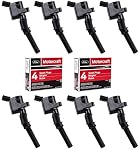
Engine problems can emerge if the spark plugs or ignition coils in the ignition system are worn out or malfunctioning.
Shop From Amazon


Engine Misfires
Various factors can cause engine misfires, including malfunctioning spark plugs, vacuum leaks, and issues with the air intake system. Misfires can lead to an engine problem notice and a rough-running engine.
Dealing with the Problem

Now that you have a basic understanding of what might be causing the engine problem in your Ford F250, let's discuss practical solutions.
Check for Error Codes
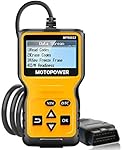
The first step in diagnosing the issue is to connect an OBD-II scanner to your car's onboard computer. This scanner will retrieve error codes that can pinpoint the exact issue causing the engine malfunction. These codes can greatly assist in providing a more accurate diagnosis.
Shop From Amazon


Examine Sensors
If the error codes suggest a sensor problem, visually inspect the sensors. Look for corrosion, damaged wiring, and loose connections.
Sometimes, simply cleaning or replacing a sensor can resolve the issue. If the sensors appear to be in good condition, consult a specialist for a comprehensive evaluation.
Examine the Exhaust System

If the problem relates to the exhaust system, a visual inspection might identify blockages or damages. For example, a clogged catalytic converter can severely hinder performance. If you suspect an exhaust issue, consult a mechanic for a detailed examination.
Examine the Fuel System
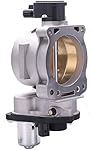
Common fixes for fuel system issues include cleaning the fuel injectors or replacing the fuel filter. A fuel system cleaner might help eliminate built-up deposits.
If the problem persists, it's advisable to have a professional inspect the entire fuel system for potential leaks or more severe issues.
Shop From Amazon


Examine the Ignition System
The engine's operation relies on the ignition system. If ignition issues are causing your engine problems, start by checking the spark plugs and ignition coils.
Damaged or worn components should be replaced. Regular maintenance, such as replacing spark plugs at recommended intervals, can help prevent future issues.
Address Engine Misfires
Issues with the air intake system, deteriorated spark plugs, and vacuum leaks often result in engine misfires. If you suspect an internal engine problem might be causing the misfire, a mechanic can conduct a compression test. Addressing the root cause of the misfire is essential to prevent further damage.
In Conclusion
In conclusion, identifying and rectifying engine issues with your Ford F250 is achievable. By following a methodical process, you can ensure your car continues to serve you reliably and efficiently.
Maintaining the performance and longevity of your Ford F250 requires being proactive and informed, regardless of the issue's complexity—which could be as straightforward as a sensor malfunction.

Nick Marchenko, PhD
Industrial Engineer & Automotive Content Specialist
Nick writes in-depth guides on car clubs, engine specs, vehicle ownership, and modifications, combining engineering knowledge with automotive passion.
Full profile → LinkedIn →You May Also Like
6.2 Firing Order
2 years agoWe understand the frustration of seeing the check engine light suddenly illuminate on your Ford 6.2. When receiving a vague "cylinder 2" error code from the scanner, it can be challenging to...
Ford 6.7 Powerstroke Firing Order
2 years agoIn the development phase, the 6.7-liter Scorpion Power Stroke engine emerged as Ford's in-house diesel powerhouse for the Super Duty lineup. This marked a strategic shift with Ford taking full...
Understanding the Ford 6.0L Firing Order: The Rhythmic Beat
2 years agoThe firing order, which orchestrates the specific sequence in which cylinders ignite, is the heartbeat of car engines. Understanding the firing order is more than a technical detail for the Ford 6....
Identifying and Fixing Ford F250 Brake Lamp Bulb Issues
2 years agoYour Ford F250 is an effective tool for work and play, and it's more than just a car. When you encounter a "Brake Lamp Bulb Fault," it presents a safety risk in addition to being an anno...
Diagnostic and Fixing TBC Issues in Your Ford F250
2 years agoYour Ford F250 is a trustworthy partner for even the most challenging jobs; it's more than just a vehicle. It's not only frustrating when a "TBC Fault" alert appears; it can also imp...
Diagnose and Fix Your Ford F250's Starting System Issues
2 years agoMore than just a car, the Ford F250 is a dependable companion for your everyday commute and important duties. However, if you encounter a "Starting System Fault," it can be both annoying and...