Disclaimer: Not affiliated with or endorsed by Ford Motor Company. For informational purposes only. Full Disclaimer
Ford F150 Terrain Management System Fault
Updated:
Owning a Ford F150 implies more than just cruising on smooth roads; this robust vehicle is tailored for rugged terrains, equipped with features like the terrain management system.
When this system encounters issues, it can be frustrating. Let's explore possible faults and DIY solutions in this post.
What is the Terrain Management System in a Ford F150?

The terrain management system in your Ford F150 dynamically adjusts driving characteristics based on the terrain. Analyzing throttle position, speed, and steering angle, it rapidly modifies torque distribution to enhance traction.
This system can autonomously adjust AdvanceTrac settings, switch between 4-wheel and 2-wheel drive, and alter throttle response and transmission shift points across modes.
Operating the Ford terrain management system is user-friendly. Select surface conditions via the center console, starting in standard mode. It adapts engine, gearbox, and brakes to the road.
To engage it, turn the console lever to cycle through drive modes. The touchscreen displays corresponding animations for each setting. Once you choose a mode, your vehicle seamlessly adjusts.
Potential Ford F150 Terrain Management System Faults

Problem with Software
SUVs rely on the terrain management system's software to adjust various functions. The center console unit features a button for changing modes based on driving conditions and road types.
Software issues arise when transitioning between modes becomes difficult, impacting driving on specific roads requiring the system. These problems often occur when connecting mobile phones to the onboard system, introducing new elements.
The computerized system may have bugs affecting hardware functionality and signal processing, but the latest updates aim to stabilize and reduce errors.
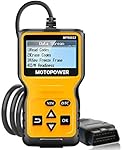
Some opt for unauthorized dealerships for software resets, causing complications. However, resolving software issues is achievable by upgrading to the latest terrain management system, minimizing errors. For a thorough diagnosis, scanner tools can be employed to read fault codes from the computerized system.
Shop From Amazon


Faulty Sensors
The Ford F150 terrain management system relies on sensors that assess mode conditions during shifts between different modes. Various sensors are strategically placed, such as tire sensors on the wheel hub sides, aiding in mode transitions.
However, outdoor locations make sensors more prone to wear. Exposure to dust and dirt on sandy or dirty roads can impede sensor function and signaling power, affecting communication with the computerized system.
The throttle position sensor is crucial for efficient system operation, as faulty sensors may disrupt air and fuel adjustments, noticeable when speed does not change after mode shifts.
To address issues, monitor the screen for error codes and promptly visit service centers when notified. Regular sensor cleaning is essential to prevent dust and dirt accumulation.
Power Supply Issues

Ensuring an ample power supply is crucial for adjusting throttle response, vehicle speed, and steering wheel angle. These systems rely on the battery for proper functioning, but power supply issues can arise from blown fuses or faulty electrical cables.
Temperature fluctuations, especially in cold weather, can hinder battery performance, leading to difficulties in cold starts due to sluggish electron mobility and slow chemical reactions.
For tire movement synchronization and signal processing, a consistent power supply is essential. Overheating problems reported by some drivers, particularly in city areas with frequent ignition system use, are more prevalent in high-temperature summer seasons, impacting various functions.
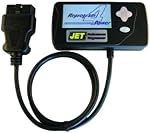
Address insufficient power concerns by replacing dead or weak batteries and inspecting electrical connections and damaged wiring in your Ford F150. This helps prevent resistance in current flow and ensures a stable voltage supply.
Shop From Amazon


Traveling in Snowy Areas
Many users encounter issues with the terrain management system during the cold season, primarily due to snow-covered roads in winter.
The system's sensors, located on the sides of the wheel wells, regulate the transition between 4WD and 2WD based on road conditions. Driving on snowy roads often leads to ice buildup in the wheel wells and bearing areas.
Neglecting to clear this ice or road salt residues can hinder the system's functionality, preventing a shift from normal drive to snow or slippery modes.
The accumulated snow covering the sensors disrupts communication with the system. To resolve this issue, a thorough vehicle wash is recommended.
Cleaning the lower body, including the lower side chassis structure, wheel wells, and bearing areas, removes mud, snow, and dust residues from the sensors, restoring the system's functionality after a deep wash.
Engine or Drivetrain Problem

Engine and drivetrain issues leading to power loss trigger the wrench sign on the Ford F150 screen. This sign indicates a problem in the throttle body, crucial for adjusting speed by providing the correct air and fuel mixture.
Failure to achieve the proper mixture results in insufficient torque and power, impacting the system's ability to adjust modes. Terrain-related problems arise from neglecting fluid changes and low transmission fluid levels.
To address the wrench sign on the screen, restart the system. Turn on the ignition and press the brake pedal. Flash the bright light 4 to 5 times, followed by a firm press on the brake pedal, to resolve the issue.
Steering System Failure
Steering system failure can impact the adjustment of different modes in the terrain management system. The steering unit, comprising pinions and racks for wheel movement, faces issues that hinder the system's ability to adapt speed and steering angle to various road surfaces.
Overheating can damage the rubber parts, and issues like damaged seals or loose connections contribute to failures. To address these problems, greasing the pinions and racks for smooth movement helps reduce friction.
Regular inspection of seals around the racks and pinions is crucial, as temperature fluctuations may cause shrinkage and cracking. After reading this guide, you should feel confident in repairing Ford vehicle terrain management system issues.
Follow the outlined procedures and techniques, but always consult a competent technician before attempting fixes on your Ford vehicle. Additionally, be mindful of warranty terms and conditions to avoid potential breaches if repairs are not conducted correctly.
Can I Fix the Terrain Management System in My Ford F150?
While a single dial initiates the terrain management system in a Ford F150, it remains a complex setup with numerous preset settings.
Dealing with terrain requests requires an intelligent system, and although some faults are easily resolved, others are beyond our capability.
Mechanics invest significant time learning their craft, and certain issues may be outside our expertise. If you feel confident attempting a fix, it is acceptable, but be cautious as meddling with certain aspects may void your vehicle's warranty.
If uncertain about fixing or diagnosing a problem, it is wiser to entrust the repair to someone with the necessary experience. While basic car maintenance skills are valuable, there are limits to what we can handle.

Nick Marchenko, PhD
Industrial Engineer & Automotive Content Specialist
Nick writes in-depth guides on car clubs, engine specs, vehicle ownership, and modifications, combining engineering knowledge with automotive passion.
Full profile → LinkedIn →You May Also Like
Ford F-150 Starting System Fault
2 years agoFew things are more exasperating for a car owner than attempting to start their vehicle only to discover that it will not respond to the turn of the key. While the starting system of a Ford F-150 is g...
Keeping Your F150 Engine Coolant at the Right Temperature: A Guide to Preventing Overheating
2 years agoYour engine's coolant isn't just about preventing freezing in the winter; it's crucial for preventing overheating and keeping your engine at the optimal temperature year-round. Overheating...
The Ultimate Guide to F150 Coolant Flush: Expert Recommendations
2 years agoYour truck's engine is like the heart of a warrior; it endures extreme conditions. The coolant in your F150 plays a vital role in keeping the engine at an optimal temperature, preventing it from o...
Ford F150 Shift System Fault
2 years agoTired of consistently encountering the notification that reads, "Shift system fault, service required," but unclear about its meaning, origin, and how to address the issue? Keep reading t...
How to Fix Power Steering Assist Fault in Ford F150
2 years agoAre you receiving a "Steering Assist Fault - Service Required" notification on your F150? This article discusses the reasons behind it and outlines the steps you should take. If you own a...
Ford F150 Tire Pressure Sensor Fault
2 years agoTire pressure monitoring systems (TPMS) have been made compulsory in all American vehicles as a government-mandated measure aimed at bolstering road safety. The primary purpose of TPMS is to monito...