Disclaimer: Not affiliated with or endorsed by Ford Motor Company. For informational purposes only. Full Disclaimer
Step-by-Step Guide: How to Remove the Coolant Reservoir from a 2017 Ford Escape
Updated:
Before we begin, it's crucial to understand the importance of handling engine coolant safely. The Ford Escape's service guide emphasizes not adding coolant when the engine is hot to avoid burns from steam and scalding liquids. Also, never confuse the coolant reservoir with the windshield washer fluid container – this can lead to dangerous visibility issues.
The coolant for the 2017 Ford Escape should be maintained between 48% to 50% concentration, ideally checked with a refractometer. And importantly, if you're adding coolant, only use the prediluted type approved for the Escape, avoiding any additives or stop-leak pellets.
Preparation
Materials Needed
- Gloves and safety glasses
- Wrench set
- Container for draining coolant
- New coolant (if replacement is needed)
Safety First
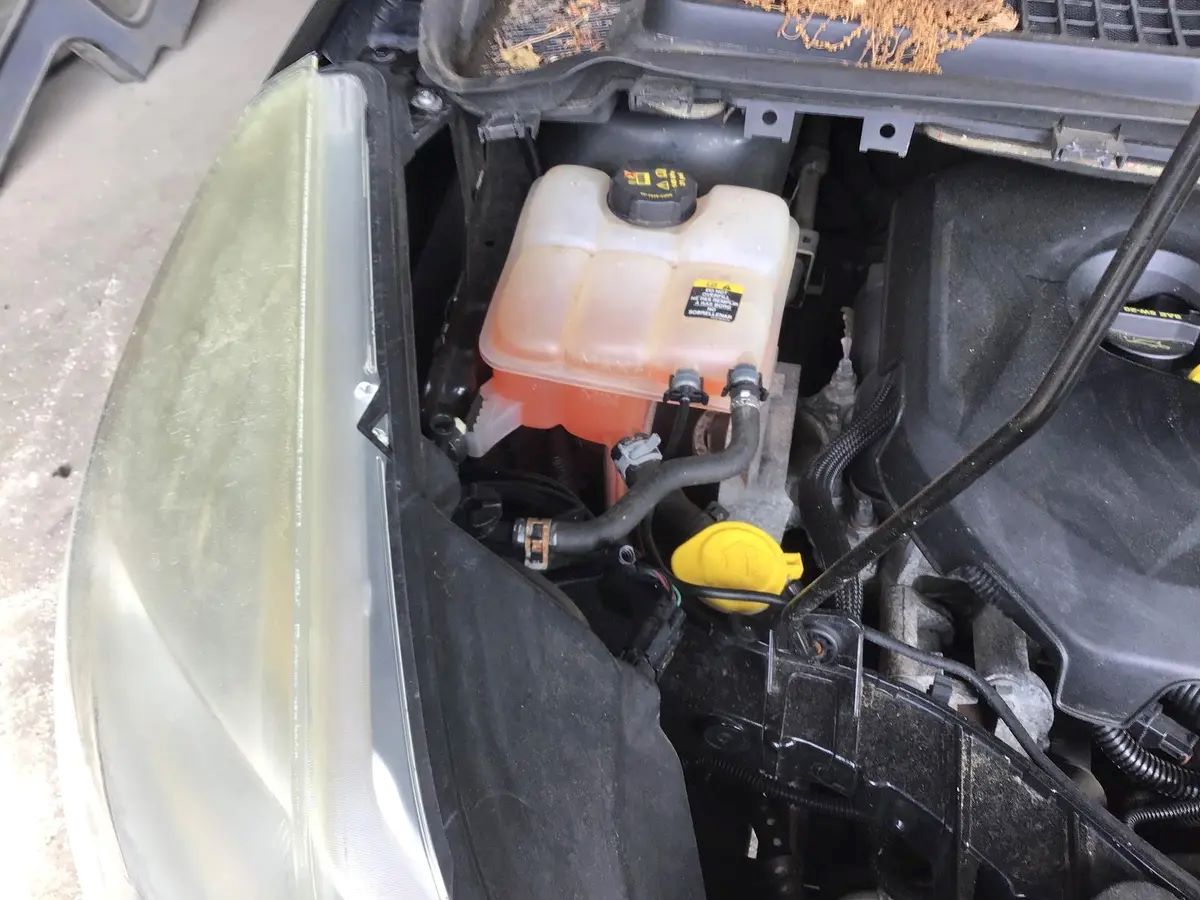
Ensure the engine is cool before starting. Open the hood and locate the coolant reservoir, typically found near the front of the engine bay.
Step 1: Draining the Coolant
Before removing the reservoir, you should drain the existing coolant to prevent spills. Place a container under the drain plug of the radiator and carefully open it to let the coolant flow out. This step might take a few minutes.
Step 2: Disconnecting the Hoses
The coolant reservoir is connected to the radiator through hoses. Use a wrench to loosen the clamps and gently pull the hoses off. Be prepared for a small amount of coolant to spill out, so have a rag handy.

Step 3: Removing the Reservoir
The reservoir is usually secured with bolts or clips. Use a wrench to remove these fasteners carefully. Once all bolts are removed, lift the reservoir out of its position.
Step 4: Inspecting and Cleaning
With the reservoir removed, it's a good opportunity to inspect it for any cracks or damage. Clean the area where the reservoir was seated to remove any dirt or debris.
Step 5: Installing the New Reservoir (If Needed)
If your reservoir needs replacement, position the new one in the same spot as the old one. Secure it with the bolts or clips you previously removed.
Step 6: Reconnecting the Hoses
Reattach the hoses to the new reservoir, ensuring they are snug and secure.
Step 7: Refilling the Coolant
Refill the reservoir with the recommended prediluted coolant, ensuring the level is between the MIN and MAX marks. Avoid overfilling.
Step 8: Checking for Leaks
After completing the installation, start the engine and let it run for a few minutes. Check for leaks around the reservoir and hose connections.
Shop From Amazon


Conclusion
Removing and replacing the coolant reservoir in a 2017 Ford Escape is a straightforward process if you follow these steps carefully. Always prioritize safety and refer to the vehicle’s service guide for specific details. Remember, regular maintenance, including checking and replacing coolant, is key to the longevity of your vehicle's engine.

Nick Marchenko, PhD
Industrial Engineer & Automotive Content Specialist
Nick writes in-depth guides on car clubs, engine specs, vehicle ownership, and modifications, combining engineering knowledge with automotive passion.
Full profile → LinkedIn →You May Also Like
The Ultimate Guide to Ford Territory Coolant Capacity: Everything You Need to Know
2 years agoWhat is Engine Coolant? Engine coolant, often known as antifreeze, is a critical fluid for your car. It serves the dual purpose of keeping the engine from overheating in summer and freezing in wint...
The Ultimate Guide to the 2019 Ford Escape Coolant Type
2 years agoFor any vehicle enthusiast or owner, understanding the specifics of your vehicle's needs is crucial. The 2019 Ford Escape, with its 2.0L EcoBoost engine, stands out in terms of efficiency and perf...
Everything You Need to Know About the Coolant Type for the 2018 Ford Escape
2 years agoFirst off, what is engine coolant? It's a fluid that helps regulate your engine's temperature, preventing it from overheating. Using the right type is vital for the health and efficiency of yo...
The Ultimate Guide to Choosing the Right Coolant Type for Your 2016 Ford Escape
2 years agoFirst off, let’s talk about what a coolant is. In simple terms, it's a fluid that helps in regulating your engine's temperature, preventing it from overheating. Now, for our specific mod...
Ford Escape VIN Decoder - Learn How To Read The VIN Code Of Your Car
2 years agoEvery Ford Escape is identified by a unique code known as a Vehicle Identification Number, or VIN for short. This sequence of digits and capital letters contains essential information about the vehicl...
Ford Escape Buyer's Guide - Detailed Trims And Equipment Analysis
2 years agoDelving into the specs of the 2022 Ford Escape might seem like typical car shopping homework, but there's a lot to unpack if you’re serious about understanding what sets each trim apart. Let...