Disclaimer: Not affiliated with or endorsed by Ford Motor Company. For informational purposes only. Full Disclaimer
How To Prepare Ford Escape For Towing
Updated:
Exploring the capabilities of your Ford Escape extends beyond just ferrying passengers or running errands. The Ford Escape is adept at towing, whether it's pulling a trailer or another vehicle.
Towing, while seemingly straightforward, places significant demands on your Ford Escape and requires careful consideration and responsibility from you, the driver.
Therefore, before embarking on a towing task, it's crucial to adequately prepare your Ford Escape. This includes equipping it with necessary accessories and ensuring it's in prime condition. Remember, your comfort and the safety of everyone on the road hinge on these preparations.
Key Considerations
- The towing capacity of the Ford Escape varies based on factors like engine power, transmission type, vehicle size and weight, drivetrain, and the overall vehicle design and structure.
- Preparing your Ford Escape for towing is vital. This includes checking and adjusting equipment, ensuring clear visibility, confirming efficient braking, inspecting engine health, verifying fuel levels, and having emergency kits on hand.
- Adhere to specific guidelines depending on the load, such as verifying that the towed object's weight is within the Escape's limits and selecting the right towing method.
- Special attention is needed when towing vehicles with different transmissions. For instance, vehicles with automatic transmissions may require a carriage or tow dolly, and particular steps should be taken to avoid transmission damage.
Understanding Towing
Towing involves pulling or hauling an object, like a trailer, boat, or another vehicle, using a Ford Escape.
To facilitate towing, you must attach a towing hitch or coupling device between your Ford Escape and the trailer.
Can Any Weight Be Towed by a Ford Escape?

Generally, every Ford Escape model is capable of towing, with variations in how much weight they can safely handle.
The towing capacity of the Ford Escape depends on several factors, including:
Engine Capacity
The Ford Escape's towing capacity is influenced by its engine power and torque. More powerful engines can handle heavier loads than their smaller counterparts.
Transmission Type
The type of transmission in your Ford Escape, whether manual or automatic, can affect its towing capacity. Automatic transmissions often have superior towing characteristics due to their torque converter design.
Size and Weight
Larger and heavier Ford Escape models generally boast greater towing capacities. The robust body-on-frame construction offers enhanced rigidity, ideal for pulling heavy loads.
Drive Type
The Ford Escape's drive system, be it FWD, RWD, or AWD, influences towing capacity. AWD and RWD models typically excel in towing due to better power distribution.
Vehicle Structure and Design
The Ford Escape's frame strength, suspension, and braking systems are critical in determining its towing capabilities. Models with reinforced suspension and brakes are better equipped to handle towing strains.
Preparing a Ford Escape for Towing
Just as an athlete prepares for a marathon, your Ford Escape requires careful preparation before towing. This is true regardless of whether you're pulling a trailer or another vehicle. Adherence to safe towing practices is non-negotiable, and specific considerations vary depending on what you're transporting.
Towing a Trailer with a Ford Escape
Towing a trailer with a Ford Escape involves understanding the vehicle's capabilities and limitations to ensure safe and efficient transportation.
Understand Your Ford Escape's Capabilities
Each Ford Escape model or trim has its specific towing limits, which should not be exceeded. These limits are influenced by factors like engine capacity, vehicle body, and suspension structure. Adhering to Ford's specified limits is crucial for safety.

Exceeding these capacities can lead to:
- Component failures or breakdowns in the Ford Escape;
- Reduced control and stability;
- Inadequate braking power;
- Potential accidents and safety risks.
Before towing, calculate your trailer's weight with all cargo and compare it to your Ford Escape's towing capacity. You can find your vehicle's capacity here.
Ensure Towing Equipment is Functional
Your Ford Escape must be equipped with the right towing accessories. Essential equipment includes:
- Towing Hitch – A sturdy connection point on your vehicle to safely attach a trailer.
- Trailer Brake Controller – A device in the cabin that controls the trailer's brakes, enhancing safety and control.
- Towing Chain – Ensures the trailer remains securely attached to your vehicle.
All equipment should be in top condition, without wear or damage.
Shop From Amazon


Adjust and Inspect Mirrors
Proper visibility is crucial. Ensure your mirrors are correctly adjusted and functional. Consider special towing mirrors for better visibility.
Inspect Brakes

Brakes are vital, especially under the extra load of towing. Ensure they are in perfect condition by checking:
- Pads;
- Rotors and/or drums;
- Brake fluid.
Shop From Amazon


Ensure Proper Headlight Function
Good front visibility is essential. Check that your headlights are bright and effective.
Shop From Amazon

![ACANII - For [Halogen w/o LED DRL Model] 2017-2019 Ford Escape Black Housing Headlights Headlamps Pair Set Left+Right](https://m.media-amazon.com/images/I/51lNq88Il8L._AC_UL150_.jpg)
![2017-2019 Ford Escape Driver Side Halogen Headlight Assembly; With Led Sinature; Chrome Bezel [Fo] Partslink FO2502351C](https://m.media-amazon.com/images/I/41RTtLP173L._AC_UL150_.jpg)
Verify Tail Light Functionality
Being visible to other drivers is just as important. Ensure your tail lights, brake lights, and turn signals are all working properly.
Shop From Amazon


Inspect the Engine
Towing demands a lot from your engine. Check that it's running smoothly and address any issues. Service the engine by:
- Changing oil and filter;
- Checking coolant levels and condition;
- Inspecting spark plugs / glow plugs for diesel engines.
Check Suspension Condition
The suspension bears significant stress when towing. Ensure it's in good condition and serviced to prevent any potential issues.
Inspect the Gearbox
Towing puts additional strain on the gearbox of your Ford Escape. It's important to ensure that the gearbox does not overheat and functions properly. Avoid overloading your vehicle and regularly check and change the gearbox lubricant if needed.
Anticipate Increased Fuel Consumption
Towing with a Ford Escape requires more fuel due to the extra load. Fuel consumption may increase by 10-20%, depending on the weight being towed. Be sure to fill up your tank accordingly, plan fuel stops on your route, and consider carrying extra fuel canisters.
Carry a Toolkit
Having a toolkit in your Ford Escape is essential for towing. Include necessary tools like wrenches, pliers, screwdrivers, and any specialized tools for your towing equipment. This ensures you're prepared for unexpected issues during towing.
Shop From Amazon


First Aid Kit is Essential
Safety is paramount when towing. Keep a well-stocked first aid kit in your Ford Escape, including bandages, antiseptic wipes, and pain relievers. This is a crucial part of your vehicle's emergency kit for handling any medical emergencies.
Shop From Amazon


Secure Cargo Properly
When using a carriage or open platform for towing with your Ford Escape, securing the cargo with cables or straps is a must. Properly secured cargo reduces the risk of accidents and ensures the safety of your vehicle and others on the road.
Check the Condition of the Trailer

The trailer's condition is as important as your Ford Escape's readiness for towing. Here's a checklist to ensure safety:
- Check the Trailer Brakes. Using trailers with their own braking systems is recommended for added safety. The trailer brakes should assist your vehicle's brakes, reducing strain and risk of failure. Make sure these systems are working correctly;
- Inspect the Trailer Suspension. Examine the trailer's suspension for any damage or wear. A well-maintained suspension is crucial for stability while towing. Address any issues promptly;
- Verify Trailer Lights. Functional trailer lights are legally required and critical for safety. Check all lights, including brake lights and turn signals, and ensure all electrical connections are secure;
- Inspect the Trailer Hitch. The condition of the trailer hitch and its attachment to your Ford Escape is vital. Check for wear, ensure all fasteners are secure, and maintain the hitch regularly for safe towing.
Towing a Car with a Ford Escape

When planning to tow a car with your Ford Escape, follow the general towing rules, but also consider some specific factors related to car transportation for safety.
Ensure the towed vehicle's weight is within your Ford Escape's capacity. Check your vehicle's manual for its maximum towing capacity. Overloading can lead to reduced braking and steering efficiency, as well as excessive strain on the engine and transmission.
Consider factors like the weight, size, and any cargo of both your Ford Escape and the car you plan to tow.
Methods of Towing a Car
Choose from these methods for towing a car:
- Tow strap;
- Tow bar;
- Using a trailer.
Using a Tow Strap

A tow strap requires the towed car to have working brakes and a driver to operate them. The towed vehicle can't stop independently, so a responsible person is needed in the driver's seat.
Using a Tow Bar
With a tow bar, the towed car is fixed to your Ford Escape, allowing it to follow your vehicle's trajectory. No driver is needed in the towed car, but your Ford Escape will brake for both vehicles.
Towing on a Trailer
Securing the towed car on a trailer attached to your Ford Escape is a safe method. Include both the weight of the towed car and the trailer when calculating the towing capacity.
Transmission Type of the Towed Vehicle
Check the transmission type of the car you'll tow. For manual transmissions, shift to neutral. Automatic transmission vehicles should be towed on a carriage or tow dolly.
A tow dolly lifts the front tires off the ground, suitable for vehicles under 3450 lbs. Avoid using it for four-wheel drive vehicles. The driving wheels of an automatic transmission car should not contact the road to prevent gearbox damage.
If you can't use a carriage and need to tow an automatic transmission car, consider disconnecting the drive to prevent gearbox movement.
Additional Equipment You May Need When Towing with a Ford Escape
After covering the essentials of towing with your Ford Escape, consider additional modifications to enhance towing efficiency and extend the service life of your vehicle. Here are some recommended upgrades:
Weight-Distributing Hitch
A weight-distributing hitch ensures even distribution of weight between your Ford Escape and the trailer, preventing undue stress on the rear axle. This enhances stability and steering control, especially important when towing heavy or large trailers.
It offers a safer and more controlled towing experience by balancing the weight, resulting in smoother handling.
Towing Mirrors
Extended towing mirrors provide a wider field of view, crucial for safely maneuvering when towing with your Ford Escape. These mirrors help in reducing blind spots and enhancing overall safety.
They are essential for monitoring traffic and managing your vehicle when the trailer might block your regular view.
Shop From Amazon


Suspension Air Bags
Suspension airbags offer additional support to your Ford Escape's suspension, aiding in stabilizing the vehicle under heavy loads. They help maintain proper alignment and comfort, reducing stress on the suspension components.
Transmission Radiator
A transmission radiator is vital for cooling the transmission fluid, preventing overheating during towing or intense use. It's crucial for maintaining a healthy transmission, ensuring smooth operation and reliability.
Rearview Cameras

Rearview cameras are invaluable for towing, aiding in reversing and maneuvering in tight spaces. They enhance visibility, reducing blind spots and making it easier to hitch trailers or park accurately.
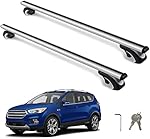
Roof Rails
Roof rails expand your Ford Escape's cargo capacity, allowing for secure transportation of items like bikes, skis, or large boxes. They are ideal for trips and provide an efficient way to carry additional gear without compromising interior space.
Shop From Amazon

To Wrap Everything Up
Preparing thoroughly for towing with your Ford Escape is essential for a safe and smooth experience. Considerations such as vehicle and trailer inspections, load capacity, safety features, and appropriate accessories are crucial. A well-equipped towing setup not only enhances safety but also extends the lifespan of your vehicle and trailer, ensuring reliable and efficient transport for various needs.

Nick Marchenko, PhD
Industrial Engineer & Automotive Content Specialist
Nick writes in-depth guides on car clubs, engine specs, vehicle ownership, and modifications, combining engineering knowledge with automotive passion.
Full profile → LinkedIn →You May Also Like
How to Fix Power Steering Assist Fault in a Ford Escape
2 years agoHow to Fix Power Steering Assist Fault in a Ford Escape Since the introduction of power steering technology to automobiles, driving has been significantly enhanced in terms of ease and safety. This...
Ford Escape Brake Lamp Bulb Fault
2 years agoFord Escape Brake Lamp Bulb Fault Are you seeking a remedy for a brake lamp bulb fault notification on your Ford Escape? You have come to the right spot, as we have researched this issue and have the...
Ford Escape Transmission Fault Service
2 years agoFord Escape Transmission Fault Service While behind the wheel of your Ford Escape, a sudden alert appears: "Transmission Fault Service Now." If you find yourself in this scenario, it is c...
How to Maintain Shiny, Grime-Free Ford Escape Rims
2 years agoFirst of all, the rims on your Ford Escape are essential for both performance and looks. They not only improve the overall look of your car but also have a direct effect on handling and braking. Ma...
How To Tint Windows of the Ford Escape?
2 years agoFord Escape window tinting is more than a mere cosmetic enhancement; it's a smart choice offering numerous advantages. Firstly, it keeps your Escape cooler on warm days by reducing heat penetratio...
The Ultimate Guide to Finding the Coolant Level Sensor Location in a 2013 Ford Escape
2 years agoUnderstanding the Coolant Level Sensor The coolant level sensor is a key component in preventing engine overheating. It alerts you when the coolant level is low, thus preventing engine damage. Typi...