Disclaimer: Not affiliated with or endorsed by Ford Motor Company. For informational purposes only. Full Disclaimer
How to Fix Power Steering Assist Fault in a Ford Escape
Updated:
How to Fix Power Steering Assist Fault in a Ford Escape Since the introduction of power steering technology to automobiles, driving has been significantly enhanced in terms of ease and safety.
This innovation offers improved maneuverability and better control over the vehicle. The power steering system comprises both hydraulic power steering and a power steering assist system that serves as an augmentation.
In the event of a failure, it triggers a power steering assist fault warning. When confronted with this issue, the crucial question arises: how do you address and rectify the power steering assist fault?
What is Power Steering?

Power steering is a standard feature in nearly every modern car, with only certain specialized track-day models as exceptions. While it may not be at the forefront of your thoughts, power steering plays a significant role in aiding your driving experience.
Without power steering, turning the steering wheel would be an exceptionally challenging task. While not impossible (people have navigated without it for decades), it would be significantly more strenuous than what you are accustomed to.
Power steering operates by assisting you in amplifying the force applied to the steering rack; essentially, it provides additional support in the direction you are turning.
Why Does a Power Assisted Steering System Fail?

The components and issues discussed may vary depending on your car's power-assisted steering system. Steering is crucial for controlling the car's motion, requiring special attention and maintenance. Here are common problems with power-assisted steering systems:
Electrical Malfunctions
If turning the wheel becomes unusually difficult, it may be an issue with the electrical system, unrelated to the hydraulics. When the electrical assist system, particularly the pump, fails, the steering stiffens as there is no assistance for turns.
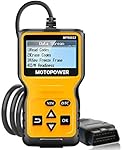
To identify the problem, use an OBD-II scanner or inspect the fuse box and wires leading to the steering system. Check the battery voltage and restart the car 2 or 3 times to reset the warning light. Potentially, however, this is a temporary solution, and it is crucial to have your car checked at your earliest convenience.
Running Low on Fluids
Regularly topping up the hydraulic fluid in your hydraulic or fluid-electric hybrid power steering system is essential. If steering requires significantly more effort, it indicates low fluid levels, hindering the hydraulic system's energy transfer to the wheels.
Ensure to check fluid levels when the car is warm, as checking when cold is not recommended. Operating with low fluids not only makes steering challenging but can also damage power steering components. Ignoring this issue may lead to the need for a complete
Shop From Amazon


steering system replacement.
Rough when turning
Grinding noises while turning the steering wheel are usually minor and often stem from the belt drive, specifically the power steering pump pulley.
Although not an immediate threat, these sounds signal a potential upcoming issue. To address this, simply jack up the car, have a friend turn the wheel, while you inspect and adjust the belt for any slipping.
Fluid leaks
Power steering fluid leaks can lead to power steering assist failure, affecting the system's efficiency within minutes and potentially causing low fluid levels mid-drive.
The loss of power-assisted steering poses a safety hazard, requiring drivers to adjust to reduced control. Distinguish a steering fluid leak by its red or pink color, typically found under the engine, while a transmission fluid leak is more centralized in the car.
Symptoms of power steering assist fault

If you encounter a power steering assist fault, you may observe the following symptoms:
- Dashboard warning light illuminated.
- Difficulty turning the steering wheel, particularly at low speeds.
- Vehicle pulling to one side when driving straight.
- Unusual sounds, like whining, while turning for hydraulic systems.
- Visible hydraulic fluid leaks under the car for hydraulic systems.
- Whining noise upon starting the car for hydraulic systems.
- Unusually light steering wheel feel at high speeds for electric systems.
- Other electrical issues, indicating possible ECU failure for electric systems.
How to fix power steering assist fault in Ford

For Ford Escape from 2008-2012, a DTC B2278 indicates a torque sensor defect. The torque sensor, identified by part number CL8 Z-3F818-A, can be replaced individually at home.
Follow these steps to replace the torque sensor:
- Before disassembly, lift the front wheels off the ground, ensure the wheels are positioned straight ahead, and have the steering wheel at the 11 o'clock position.
- The new torque sensor kit includes instructions; follow the written steps for removing the upper and lower steering column.
- Before removing the old torque sensor, ensure the steering shaft keyway slot aligns with the diamond-shaped mark on the sensor’s body. Gently bump the wheels to align the two.
- Remove the sensor by pulling the wire upwards and lifting the other side of its body from the steering housing using a 90-degree pick.
Shop From Amazon


- Use the alignment tool from the kit to fit the tab into the steering housing opening, and the tool spline into the keyway.
- Once the steering shaft is aligned with the housing, install the new torque sensor. Be cautious as any small movement can displace the steering column.
- With the locking pin in place, ensure the raised spline of the sensor aligns with the keyway slot of the steering shaft. Push the sensor with your thumbs to insert it into the steering shaft; use the alignment tool to seat the new sensor fully.
- The locking pin should be inside the window to confirm correct alignment. If the pin touches one side, realign the sensor. Remove the locking pin if the sensor is correctly aligned, ensuring the entire locking pin hole is visible inside the window; otherwise, realign.
- Reassemble the steering column, lower the vehicle, and start the engine. The steering wheel and wheels should remain entirely centered.
Is a power steering assist fault serious?
Prompt attention is crucial when faced with a power steering assist fault. While not as critical as a head gasket failure, it demands immediate action.
If you notice a power steering assist fault, whether through a warning light or displayed text, do not delay. Manufacturers include these warnings for a reason, and if your vehicle signals an issue, it requires timely resolution.
The primary risk of neglecting a power steering assist fault is not just potential damage to the steering system; it is an increased risk of accidents.
Operating a vehicle without power steering makes maintaining control significantly more challenging, emphasizing the importance of addressing the issue promptly.
Driving with a power steering assist fault is usually feasible unless it severely hampers safe driving. When in doubt, consult your mechanic or consider booking a call-out technician.

Nick Marchenko, PhD
Industrial Engineer & Automotive Content Specialist
Nick writes in-depth guides on car clubs, engine specs, vehicle ownership, and modifications, combining engineering knowledge with automotive passion.
Full profile → LinkedIn →You May Also Like
Ford Escape Brake Lamp Bulb Fault
2 years agoFord Escape Brake Lamp Bulb Fault Are you seeking a remedy for a brake lamp bulb fault notification on your Ford Escape? You have come to the right spot, as we have researched this issue and have the...
Ford Escape Transmission Fault Service
2 years agoFord Escape Transmission Fault Service While behind the wheel of your Ford Escape, a sudden alert appears: "Transmission Fault Service Now." If you find yourself in this scenario, it is c...
How To Choose the Best Light Bulbs For Ford Escape? Complete Guide
2 years agoAutomotive light bulbs inside the Ford Escape’s headlights provide visibility on the road at any time of day or weather, thereby performing an integral safety function. However, nothing lasts...
How To Prepare Ford Escape For Towing
2 years agoExploring the capabilities of your Ford Escape extends beyond just ferrying passengers or running errands. The Ford Escape is adept at towing, whether it's pulling a trailer or another vehicle....
How to Maintain Shiny, Grime-Free Ford Escape Rims
2 years agoFirst of all, the rims on your Ford Escape are essential for both performance and looks. They not only improve the overall look of your car but also have a direct effect on handling and braking. Ma...
How To Tint Windows of the Ford Escape?
2 years agoFord Escape window tinting is more than a mere cosmetic enhancement; it's a smart choice offering numerous advantages. Firstly, it keeps your Escape cooler on warm days by reducing heat penetratio...