Disclaimer: Not affiliated with or endorsed by Ford Motor Company. For informational purposes only. Full Disclaimer
Ford Escape Shift System Fault
Updated:
Have you ever been driving when you suddenly hear that alarming sound in your car signaling a potential problem? While you might be familiar with this sound, it is essential to recognize that when your car exhibits such issues, it could indicate an electrical problem.
Various factors can trigger these warnings in your vehicle. Staying alert to these signs can help you proactively address and prevent potential problems.
Why Does My Ford Escape Say Shift System Fault?

When you see the "Shift System Fault" message accompanied by the check engine light, it indicates that the Powertrain Control Module (PCM) has detected a fault in the transmission system.
This illumination triggers the recording of a fault code in the PCM's memory, which serves to explain why the light is on and what steps might be necessary for a resolution.
Your Ford vehicle reported error codes P0756 and P0766, specifically related to the performance of transmission shift solenoids C and D.
This suggests that the PCM is not detecting the expected shifts when these solenoids are in use. The issue could be attributed to various factors, such as low fluid levels, solenoid problems, valve body malfunctions, or internal transmission concerns.
While there are no current technical service advisories available for this problem, there is a recall identified as 20B34, which pertains to a potential transmission cooler failure.
Ford will replace the transmission cooler at no cost if the cooler has not failed; however, a thorough transmission evaluation is required to pinpoint the exact source of the problem.
Why Shifting Problems Occur

Numerous factors can contribute to gear shifting problems in your vehicle. In the presence of a blocked catalytic converter or exhaust system, the engine may experience back pressure, resulting in challenges for the gearbox to shift gears. This can trigger a warning from the shift system. Additional reasons for shifting issues include:
Interlock switch failure
An error in the interlock switch, which requires the use of the brake pedal to shift from park to drive or reverse, can make shifting from park difficult and lead to a malfunctioning interlock.
Shift cables and linkages
Over time, shift cables and linkages may become rusted or covered in heavy grease. Moisture, oil, and dirt can also affect them, causing difficulties in shifting.
This often occurs when the engine and heat box have not been adequately warmed up, as warming can soften any accumulated residue.
Shop From Amazon


Low transmission fluid
Inadequate transmission fluid can cause your car to shift sluggishly and experience difficulties in gear changes. Transmission fluid plays a crucial role in cooling and lubricating the transmission's components. Regular transmission fluid flushing is essential for the longevity of your transmission.
Internal computer issues
The internal computer in your vehicle may be responsible for errors or malfunctions. This computer communicates with various transmission functions, including shifting between park and drive or park and reverse, as well as during natural shifting while driving.
More About a Shift System Fault

The "Shift System Fault" warning suggests that there may be an issue, primarily related to shifter electronics or one of the transmission's electronics.
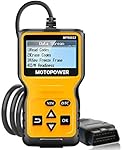
Unfortunately, this problem can stem from various electronic components. To pinpoint the issue, you need to utilize a suitable diagnostic scan tool or computer connected directly to your vehicle's data port.
This tool must be capable of reading your specific model's systems. Following this, the vehicle's computers should store at least one error code.
The error code is then reviewed in order to find the root cause of the problem. Once the underlying cause has been found, you may proceed to resolve the problem.
This first step is critical for narrowing down the issue. Further testing will be required to help identify and effectively repair the defect. In this case, the problem is likely related to one of the shifter circuits that may need to be replaced.
Why Your Car Has a Check Engine Light

The illuminated engine light is the most evident indicator of any issues in your car, including the transmission system. This light serves as a signal for various problems lurking under the vehicle's hood.
When the transmission triggers this light, it usually indicates that the car's internal sensors have detected vibrations or subtle irregularities that might escape the driver's notice.
Potential causes for the engine light to come on, when related to the transmission, include overheating, low transmission fluid, sensor malfunctions, and more.
To pinpoint the exact issue and determine the necessary remedies, it is advisable to seek advice from a skilled specialist. A qualified technician can conduct a diagnostic assessment to ascertain whether the transmission is at fault or if a minor repair will suffice.
How to Fix a Ford Escape Shift System Fault
If you are encountering issues with your Ford Escape shift system, there are several troubleshooting steps you can take to address the problem. Here are some tips on how to resolve a Ford shift system fault:
Check for stuck gears
If your car is having difficulty shifting gears, it is possible that some gears are stuck. To identify this issue, try turning the car off and back on while driving in reverse; the gear should engage automatically.
If no gears engage in reverse, it may indicate that one or more gears are stuck. You can attempt to gently engage each gear individually by hand before attempting to shift into them again.
Reset your computer
Shop From Amazon


Another potential solution is to reset your vehicle's computer by pressing and holding both brake pedals for approximately 10 seconds until you hear two beeps, which will also turn off your vehicle.
Subsequently, release both pedals and wait for a green light before restarting your car. While this may resolve computer-related issues, it may not work in all cases.
Consider shifter replacement
Sometimes, problems with a Ford shifter system can be attributed to the shifter itself. If this is the case, the shifter may need to be replaced.
If you are having problems with your Ford Escape shift system, it is critical that you move quickly to resolve the issue. Doing so will help prevent potential damage to your vehicle and ensure the smooth operation of your shift system.

Nick Marchenko, PhD
Industrial Engineer & Automotive Content Specialist
Nick writes in-depth guides on car clubs, engine specs, vehicle ownership, and modifications, combining engineering knowledge with automotive passion.
Full profile → LinkedIn →You May Also Like
Ford Escape Tire Pressure Sensor Fault
2 years agoYou have diligently inflated all four of your tires, including the spare, to the recommended PSI settings provided by Ford Motor; however, that persistent warning light on your dashboard keeps alertin...
Ford Escape Starting System Fault
2 years agoPicture yourself rushing to work or an important appointment, and you jump into your Ford vehicle. When you try to start the engine, however, it fails to start and displays a starting system fault cod...
Engine Fault Service Now Ford Escape
2 years agoYour vehicle features an array of warning lights and icons to convey potential issues with your car. Among these indicators is the service light, or check engine light. In collaboration with automo...
How To Sell Your Junk Ford Escape?
2 years agoWith diligent attention, the Ford Escape can provide steadfast service for a considerable span. Yet, it is critical to recognize that even with scrupulous care, the lifespan of an automobile is not in...
How To Choose the Best Light Bulbs For Ford Escape? Complete Guide
2 years agoAutomotive light bulbs inside the Ford Escape’s headlights provide visibility on the road at any time of day or weather, thereby performing an integral safety function. However, nothing lasts...
Ford Escape Transmission Fault Service
2 years agoFord Escape Transmission Fault Service While behind the wheel of your Ford Escape, a sudden alert appears: "Transmission Fault Service Now." If you find yourself in this scenario, it is c...