Disclaimer: Not affiliated with or endorsed by Ford Motor Company. For informational purposes only. Full Disclaimer
Engine Fault Service Now Ford Escape
Updated:
Your vehicle features an array of warning lights and icons to convey potential issues with your car. Among these indicators is the service light, or check engine light.
In collaboration with automotive experts, we will guide you on how to respond when you encounter this warning in your Ford Escape.
Upon observing your vehicle's Service Now light, it is imperative to promptly schedule a visit to your mechanic. If you detect unusual noises or experience altered power delivery in your car, it could signify engine-related issues, leading to the activation of the service light.
Disregarding a service light or check engine light in your vehicle is strongly discouraged, as it may result in permanent damage to crucial car components. For comprehensive guidance on addressing the Service Now light in your Ford Escape, continue reading below.
The Meaning of the Engine Fault Service Now Light

While the Ford Escape includes the conventional check engine light, it is complemented by the "Service Now" message. Some individuals may perceive the "Engine Fault Service Now" as more critical, but in reality, it serves as an attention-grabbing feature.
Nonetheless, it is crucial not to underestimate the gravity of the situation, as a standard check engine light should also be treated seriously.
Shop From Amazon


As previously mentioned, the Service Now message can signify a wide range of issues, spanning from a defective battery to a cracked engine block.
What is more, it could indicate problems with critical systems like the braking system, transmission, ignition, and others, potentially jeopardizing your safety should they malfunction.
What to Do When Your Ford Escape Displays the Service Light

While it is feasible to drive your car with the service light on in most cases, it is not recommended owing to the risk of lasting damage and even roadside breakdowns.
Contacting a technician and having them come to your area is the best line of action. If you detect any weird sounds, smells, or feelings coming from your automobile, you should have it towed.
Shop From Amazon
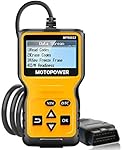


A qualified mechanic possesses the necessary tools to diagnose and rectify the issue with your vehicle. Typically, when a service light or check engine light illuminates, a mechanic can connect a diagnostic tool to your vehicle to pinpoint the source of the error code.
Causes of the Engine Fault Service Now Light

A significant challenge with the Ford Escape, as well as several other Ford models, is that the engine fault message often does not retain any fault codes. This absence of fault codes or other discernible symptoms makes diagnosis and repair a formidable task.
Nevertheless, it is advisable to initiate the diagnostic process by scanning for fault codes. This can be accomplished by visiting a nearby AutoZone store or any local repair shop. Alternatively, you have the option to purchase an OBD2 Bluetooth diagnostic tool and conduct the scan at home.
However, if the warning message appears intermittently, such as once a day or once a week, it is probable that you will not discover any fault codes. In such cases, it is recommended to begin by examining and testing some common potential causes.
Old Battery
If your Ford Escape displays the "Engine Fault Service Now" warning light, an aging battery could be the culprit. When the battery begins to fail, this warning may appear even if it does not trigger a typical battery warning light. If your battery is over three years old, consider having it tested at a local NAPA or AutoZone store, or by using a multimeter at home.
New Battery

Surprisingly, a new battery can also lead to the same warning message. Modern cars, including the Ford Escape, utilize a Battery Monitoring System (BMS) to adapt the battery charging system as the battery ages.
However, the BMS does not automatically detect a new battery and may require a reset. If the BMS is not reset after battery replacement, the alternator might overcharge the battery, causing premature failure and triggering the engine fault warning.
Vacuum and Boost Leaks
Vacuum and boost leaks can result in intermittent warning lights and various fault codes. Vacuum leaks typically cause issues related to misfires and lean air/fuel mixtures, while boost leaks are primarily associated with reduced power output. Locating these leaks can be challenging due to the many hidden hoses and components in the engine bay.
Throttle Body Failure
Throttle body failure can put your vehicle into limp mode, restricting acceleration and top speed. Symptoms may include erratic idle, starting difficulties, poor acceleration, and specific fault codes like P2106, P2107, P2110, and P2135. If the throttle body needs replacement, it can be done at home with minimal cost and effort.
Shop From Amazon


Cracked Engine Block
While rare, a cracked engine block or leaking head gasket can occur in some Ford Escapes. Indications include rapid coolant loss without visible leaks, boiling coolant, and white or blue smoke during startup or while driving. Handling these issues can be complicated and costly, especially if the car is out of warranty.
Please keep in mind that some of these issues may need expert diagnosis and repair. Always consider the specific model year and condition of your Ford Escape when addressing these concerns.
How Often Should I Get My Vehicle Inspected?

Ensuring your vehicle's safety, especially if it is an older model, is of utmost importance. Regular inspections are vital to maintain roadworthiness and safe operation.
Scheduling vehicle inspections at least once or twice a year is a smart practice. These routine check-ups help preserve your vehicle's condition by maintaining its components and replacing necessary fluids, ensuring optimal performance.
Furthermore, regular inspections serve as a preventive measure against potential issues that may worsen over time. A skilled mechanic performs a comprehensive examination of your vehicle's various components to identify any faults or parts in need of replacement.
Mechanics employ specialized tools and diagnostic equipment that interface with your vehicle's internal systems to evaluate their functionality. Below are some common tests and checks a mechanic might perform during your vehicle inspection:
Ultimately, the "Engine Fault Service Now" light is essentially Ford's equivalent of a check engine light. When this warning message appears, your best course of action is to perform a diagnostic scan to retrieve fault codes.
However, it is worth noting that many vehicle owners encounter the engine fault message intermittently, and in such cases, a scan tool may reveal no fault codes.
There are numerous actions to take in such instances. First, inspect and test your battery, especially if you have recently installed a new one. See our tutorial on resetting the battery monitoring system for more information.
Additionally, it is advisable to assess your vehicle for potential boost and vacuum leaks. When the fault warning occurs, the engine will most likely enter limp mode, owing to a malfunctioning throttle body. Finally, depending on the year of manufacture of your car, you may need to check the potential of a broken engine block.

Nick Marchenko, PhD
Industrial Engineer & Automotive Content Specialist
Nick writes in-depth guides on car clubs, engine specs, vehicle ownership, and modifications, combining engineering knowledge with automotive passion.
Full profile → LinkedIn →You May Also Like
How To Change the Coolant in Ford Escape?
2 years agoRegular maintenance tasks like refueling, changing the oil, and topping up brake fluid are routine for any diligent Ford Escape owner. However, less attention is often given to the cooling system, whe...
What Size Camper Can a Ford Escape Pull?
2 years agoAttention attention! Did you realize that towing a camper with your vehicle can open up a world of adventure and, what is more, allow you to study the incredible outdoors in complete comfort? We be...
How To Install Roof Racks on Ford Escape?
2 years agoSetting off on a long adventure or a simple weekend getaway, especially with your loved ones, often means packing more. While the Ford Escape is both functional and spacious, there might be times when...
Ford Escape Starting System Fault
2 years agoPicture yourself rushing to work or an important appointment, and you jump into your Ford vehicle. When you try to start the engine, however, it fails to start and displays a starting system fault cod...
Ford Escape Tire Pressure Sensor Fault
2 years agoYou have diligently inflated all four of your tires, including the spare, to the recommended PSI settings provided by Ford Motor; however, that persistent warning light on your dashboard keeps alertin...
Ford Escape Shift System Fault
2 years agoHave you ever been driving when you suddenly hear that alarming sound in your car signaling a potential problem? While you might be familiar with this sound, it is essential to recognize that when you...