Disclaimer: Not affiliated with or endorsed by Chevrolet Motor Company. For informational purposes only. Full Disclaimer
What is the Firing Order On a 5.3 Chevy Engine?
Updated:
So, you're curious about the firing order of the 5.3 Chevy engine, eh? Well, you're in for a treat! It's not just about making a loud bang; there's an art and science behind it. Here's why it's so jolly important:
It's All About Harmony: The 5.3 Chevy Engine Dance
Imagine a band where everyone's playing a different tune. Chaos, right? But with the right firing order, the pistons in the 5.3 Chevy engine come together like a well-rehearsed orchestra, reducing vibrations and making everything work in harmony. The result? A silky-smooth engine performance, my friend.
Every cylinder plays its part, ensuring there's no unnecessary roughness, and giving all those engine bits a longer, happier life.
Fuel Efficiency: More Miles, Less Filling Up!
Get the firing sequence spot on and the 5.3 Chevy practically sips fuel. Proper firing means the engine can maintain the best air-fuel mixture and ignition timing. So, what's in it for you? Well, fewer stops at the petrol station and a lighter load on your wallet!
And, on the green side of things, it's better for the environment too.
Unleashing the Beast: Full Power Ahead
With the right firing order, the 5.3 Chevy engine unleashes its full might. Imagine all cylinders giving their best, pushing your vehicle with gusto, whether you're overtaking, towing, or just enjoying the drive.
Keeping Things Clear: Exhaust System Flow
Correct firing means the engine efficiently manages exhaust gases. A smooth flow reduces backpressure, letting the engine breathe easier, boosting performance, and ensuring a longer life for the exhaust system.
The Dance Steps: 5.3 Chevy Engine Firing Order & Cylinder Positions

For those who love a good sequence: the Chevy 5.3 goes 1-8-7-2-6-5-4-3. The odd ones (1, 3, 5, 7) are all having a party on the passenger side, while the even ones (2, 4, 6, 8) hang out on the driver’s side. And the distributor? It fancies a counterclockwise twirl.
The 5.3 Chevy's Star Vehicles
Now, the 5.3 Chevy engine isn't exclusive to one car model. Oh no! It's a sought-after star featuring in many cars in the lineup. Here's where you might find it:
- Chevrolet Silverado 1500 (1999-present) - The main attraction!
- Chevrolet Tahoe (2000-present)
- Chevrolet Suburban (2000-present)
- GMC Sierra 1500 (1999-present)
- GMC Yukon and Yukon XL (2000-present)
- Chevrolet Avalanche (2002-2013)
- Chevrolet Express (2003-present)
- Cadillac Escalade and Escalade ESV (2002-2006)
- Chevrolet Trailblazer EXT (2003-2006)
- Buick Rainier (2004-2007)
- Chevrolet SSR (2003-2004)
- GMC Envoy XL and Envoy XUV (2003-2005)
Spotting the Hiccups with the Chevy Silverado 2500's 5.3 Firing Order
Here's the thing: if you notice any of the following shenanigans with your Chevy Silverado 2500, chances are the 5.3 engine's firing order has gone a bit wonky:
Erratic Idling
Noticed your Chevy's heart rate, erm, I mean idle speed, being a tad inconsistent? That could be the cylinders playing out of tune, making it tricky for the engine to purr smoothly when you're stationary.
Engine Throwing a Tantrum
If the cylinders are having a party in the wrong order, you might experience engine misfires. It's like they're dancing to a different tune, causing your Silverado 2500 to splutter or stutter. Not good for performance, that!
Drinking More Juice Than Usual
A messed-up firing order can turn your Chevy into a bit of a guzzler. The combustion goes haywire, leading to your truck consuming more fuel than you'd like. And let's face it, frequent pit stops are no fun!
The Chevy's Jitters
Feel like you've got a shaky truck on your hands, especially when you floor the accelerator? Well, that could be due to the cylinders firing willy-nilly. Beyond being downright annoying, it could hint at bigger engine problems down the line.
The Engine's Shouting Back!
Odd, loud noises? That's your Chevy's way of saying, "Help! Something's not right!" It's probably because of uneven combustion or a misplaced exhaust rhythm.
Exhaust Fireworks
Pop, bang, boom from the exhaust? That's unburned fuel turning your exhaust into a fireworks display, thanks to a skewed firing order. Not only is it loud and startling, it might also be harming your exhaust system.
Why Won't You Start, Truck?!
If your Silverado 2500 is acting like a moody teenager, refusing to start, especially in nippy weather, it might be struggling with its firing sequence.
Warning: "Check Engine" Light

That little "Check Engine" glow on your dashboard is like the engine's SOS. It lights up if the engine senses any misfires or cylinder discrepancies. A sign to roll up your sleeves and investigate!
Set the Firing Order Right, But the Chevy's Still Moody?
Checked everything but still feel like your Silverado 2500 isn't its usual self? Here are some potential culprits:
Give That Distributor a Once-Over
On older models, the distributor plays a vital role, ensuring each cylinder gets its spark. Over time, this chap might wear out, leading to misfires or a grumpy engine.
Common issues include contact oxidation disrupting the sparky symphony. Regular check-ups or perhaps a swap-out might be in order to ensure your Chevy fires on all cylinders, quite literally!
Give Those Ignition Coils a Look-See!
You know those distributors we used to rely on in older motors? Modern beasts like the Silverado 2500 have moved on to ignition coils. Their job? Crafting those crucial high-voltage sparks that bring your engine to life.
Each cylinder in the Chevy Silverado 2500 might have its own individual coil or might share with a mate. But here's the kicker: these coils need to be in tip-top shape, or you're in for a bumpy ride. Dodge the misfires and sputters by ensuring these guys are on point!
How About Those High Tension Wires?
High tension wires, or spark plug wires for the less fancy among us, are the couriers delivering electric love notes from the ignition straight to the spark plugs in each cylinder. Mix-ups or misconnections here can turn your Silverado 2500 into a jittery mess. Double-check them, and ensure each wire finds its way home to the right cylinder.
Now, Those Spark Plugs...

Spark plugs are like the heartbeats of your Silverado 2500, igniting the magic inside each cylinder. But they can get tired, grimy, or just plain grumpy over time. Give them a once-over, and if they're looking worse for wear, swap them out. Trust me, your engine will thank you!
Shop From Amazon


Timing: It's All About the Rhythm!
For your Silverado 2500 to dance gracefully down the road, the timing needs to be just right. So, do a little tango check, ensuring the camshaft and crankshaft are moving in a harmonious duet. Any missteps here can lead to misfires, lumpy idling, or a sheer lack of power.

How's the Fuel Injector Holding Up?
Those fuel injectors make sure each cylinder gets its fair share of fuel. If they get gunked up or throw a fit, you'll get uneven fuel distribution and those annoying misfires. Time for a quick peek to ensure they're delivering the goods smoothly and consistently.
Plug into the OBD-II Port
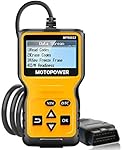
For those stubborn misfires or engine quirks, it's time to go high-tech. Hook up a diagnostic tool to the OBD-II port, and let it do its detective work. It'll spill the beans on any lurking issues messing with your Silverado 2500.
Shop From Amazon


Compression Check: The Heartbeat of Your Engine
Compression tells you if there's any internal mischief in your engine, like cheeky worn-out piston rings or pesky damaged valves. By measuring it, you'll know if any cylinders are slacking off. Spot any imbalance? Might be time for a deeper dive.
Wrapping Up
Your Silverado 2500's firing order is like a finely-tuned orchestra. When everything's in harmony, you get that beautiful engine hum, smooth rides, and fewer misfires. So keep everything in check, and you're in for many more miles of joyful driving!

Nick Marchenko, PhD
Industrial Engineer & Automotive Content Specialist
Nick writes in-depth guides on car clubs, engine specs, vehicle ownership, and modifications, combining engineering knowledge with automotive passion.
Full profile → LinkedIn →You May Also Like
How to Replace a 2018 Chevrolet Silverado 2500HD Brake Light Bulb
2 years agoHello petrol heads, this is your guide on how to effortlessly replace the tail light bulbs on a Chevrolet Silverado, and while we’re not talking about a Ferrari, this trusty vehicle deserves som...
Chevy 6.0L Vortec Engine: Problems, Longevity, And Specs
3 years agoRoaring down the highways, towing heavy loads, or conquering rugged terrains, the Chevy 6.0L Vortec engine has cemented its place as a reliable workhorse among truck enthusiasts. With its impressive p...
What Causes Chevrolet Silverado 2500HD Won’t Start & Make Clicking Noise
3 years agoNot many things can spoil your day so thoroughly before it even starts for real like a car that refuses to start. There are many reasons why your Chevrolet Silverado 2500HD suddenly starts making clic...
Understanding the GM 8.1 Firing Order: Breaking the Code
2 years agoThe GM 8.1-liter V8 engine is a formidable force in the world of gasoline-powered motors. This powerful engine, which produces strong power and torque, can be found in a variety of heavy-duty GM truck...
BBC 396 Firing Order: Delving into the Heart of the Iconic 396 Engine
2 years agoIn the realm of American muscle cars and high-performance engines, the big block Chevy 396 holds a special place. Known for its robust power output and iconic design, this engine has fascinated automo...
Investigating Chevy Silverado 2500 Engine Bogging: A Solved Mystery
2 years agoOwning a Chevy Silverado 2500 is like having a powerhouse on wheels—sturdy, dependable, and prepared to take on any obstacle. However, when you apply the throttle and your powerful Silverado'...