Disclaimer: Not affiliated with or endorsed by Chevrolet Motor Company. For informational purposes only. Full Disclaimer
How To Prepare Chevrolet Silverado 1500 For Towing
Updated:
Your Chevy Silverado 1500 is designed for versatility and strength. It’s not just a mode of transportation or a means to get groceries home. Your Silverado can handle significant loads, ready to tow trailers or vehicles with ease.
Towing may seem straightforward, but it places substantial demands on your Chevy Silverado 1500, and as a driver, you bear the responsibility. It’s crucial to equip your Silverado appropriately and ensure it’s in top condition to guarantee your comfort and the safety of all road users.
Before you begin towing, take the time to prepare your Silverado by installing the necessary equipment and performing thorough checks.
Key Takeaways
- The Chevy Silverado 1500's towing capacity is influenced by factors such as engine strength, transmission type, vehicle dimensions and weight, drivetrain, and the overall design and build of the truck.
- Proper preparation of your Chevy Silverado and the load being towed is imperative. This includes equipment checks, ensuring good visibility, brake functionality, engine health, adequate fuel, and having emergency supplies.
- Adhering to specific guidelines is critical, particularly in ensuring the weight of the towed load is within your Silverado’s towing limits and selecting the right towing equipment.
- Extra care is needed when towing vehicles with different transmissions. For instance, vehicles with automatic transmissions might need a flatbed or tow dolly to avoid transmission damage.
Understanding Towing
Towing involves pulling another object, like a trailer, boat, or vehicle, with your Chevy Silverado 1500.
To tow successfully, you need to connect the Silverado to what you’re towing using a hitch or coupling device.
What Can a Chevy Silverado 1500 Tow?

Almost every model of the Chevy Silverado 1500 is built to tow, with the key difference being the maximum load it can handle safely and efficiently.
The towing capacity of a Chevy Silverado 1500 is dependent on various elements:
Engine Strength
The Silverado’s towing ability is greatly affected by its engine power and torque. More robust engines provide the necessary torque for hauling heavier loads.
Transmission Type
Whether manual or automatic, the transmission plays a part in the towing capabilities of your Silverado. Automatic transmissions often provide a smoother towing experience due to their design.
Size and Weight
Larger and heavier Silverado models typically offer greater towing capacity. The structural integrity of body-on-frame designs is ideal for towing heavy loads.
Drivetrain
The type of drivetrain, such as FWD (Front Wheel Drive), RWD (Rear Wheel Drive), or AWD (All Wheel Drive), affects the towing capacity. AWD and RWD are generally more efficient for towing due to better power distribution.
Vehicle Build
The Silverado’s frame strength and design, including its suspension and brakes, are key to its towing performance. Models with reinforced suspension and brakes are better equipped to handle the demands of towing.
Preparing Your Chevy Silverado 1500 for Towing
Just like an athlete preps for a race, your Chevy Silverado 1500 requires proper preparation before taking on the task of towing.
Adherence to universal towing safety rules is mandatory. Specific preparations may vary depending on whether you are pulling a trailer or towing another vehicle. Each scenario comes with its own set of considerations to ensure a safe towing experience.
Towing a trailer with a Chevy Silverado 1500
Towing a trailer with a Chevy Silverado 1500 involves important considerations to ensure safe and reliable transport.
Know your Chevy Silverado 1500's limitations
Each Chevy Silverado 1500 model and trim has its maximum towing capacity, which should not be exceeded. This includes several factors, such as engine power, body capacity, and suspension structure. Chevrolet specifies these limits for your safety.

Overloading your truck can lead to:
- Component failure or breakdown of the Chevy Silverado 1500;
- Decreased control and stability;
- Inadequate braking power;
- Potential accidents and harm.
Before towing, calculate the total weight of your trailer and cargo, then check against your Silverado's towing capacity. You can find the towing capacity of your truck here.
Ensure your towing equipment is functional
Your Chevy Silverado 1500 must be equipped for towing:
- Towing Hitch. This is the connection point at the rear of your vehicle for securely attaching a trailer for towing.
- Trailer Brake Controller. Installed in the cabin, this device allows you to manage the trailer’s brakes, ensuring safety and maneuverability.
- Towing Chain. Essential for securing the trailer to the truck, preventing disconnection.
Verify that all towing components are in good condition without any wear or damage.
Shop From Amazon


Adjust your mirrors
Visibility is crucial. Ensure your rearview mirrors are well-adjusted and intact for a clear view of the road behind you.
Consider specialized towing mirrors for a better view.
Inspect your brakes

The brakes are especially vital. They need to stop not just your vehicle, but the additional load of the trailer. Service your brakes by checking:
- The pads;
- The rotors and/or drums;
- The brake fluid.
Shop From Amazon


Verify the condition of your headlights
Good visibility is essential for safe towing. Ensure your headlights are bright for optimum visibility.
Shop From Amazon

![ACANII - For [HID/Xenon Model] 2016-2018 Chevy Silverado 1500 LED DRL Projector Headlights Headlamps Left+Right (Primed)](https://m.media-amazon.com/images/I/51xsxz8O0UL._AC_UL150_.jpg)

Ensure your tail lights are functional
Shop From Amazon
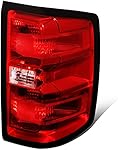


It's critical that other drivers can see you. Check that your tail lights, brake lights, and indicators are all working.
Check the overall condition of the engine
The engine will be under more strain when towing. Check that it's running smoothly and without any issues. Before towing, service your engine by:
- Changing the oil and filter;
- Checking coolant levels and quality;
- Inspecting spark plugs; / glow plugs for diesel engines.
Assess the condition of your suspension
The suspension bears the brunt of the towing load and is prone to wear. A faulty suspension could lead to an accident. Before you set out, make sure your suspension is in good shape and serviced.
Inspect the gearbox
Towing can be tough on the gearbox of a Chevy Silverado 1500; it's prone to heating up and potentially failing under strain. To avoid these issues, first ensure you're not overloading your truck, and secondly, check and replace the gearbox lubricant if needed.
Fill up with more fuel
Expect increased fuel consumption when towing due to the additional load. With a Chevy Silverado 1500, fuel efficiency may decrease by 10-20%, varying with the weight. Therefore, fill up your tank more than usual, plan your refueling stops wisely, and carry extra fuel canisters if necessary.
Keep a Toolkit in the Car
In emergencies, a comprehensive set of tools in your Silverado 1500 can be a lifesaver. Include wrenches, pliers, screwdrivers, and any specialized tools for your towing equipment to handle unexpected issues on the road.
Shop From Amazon


A First Aid Kit in the Car is Mandatory
Your towing preparations should prioritize safety, and a well-stocked first aid kit is essential. It should include bandages, antiseptic wipes, and pain relievers to address any accidents or injuries quickly and effectively.
Shop From Amazon


Securely Fix Cargo on a Carriage or Open Platform
When using a carriage or open platform to transport cargo with your Silverado 1500, secure it firmly with straps or cables. Properly secured loads are less likely to shift or fall, significantly reducing accident risks and ensuring safety for all road users.
Proper loading and securing techniques are critical for maintaining balance and stability while towing.
Check the technical condition of the trailer
The condition of your trailer is just as important as that of your Chevy Silverado 1500, affecting up to 50% of the towing safety.
Before embarking on a journey, go through this checklist:
- Check the trailer brakes. Avoid using trailers without their own braking systems. Your Chevy Silverado 1500 needs support to manage both its weight and that of the trailer.
An overburdened brake system can fail, so ensure the trailer’s brakes are functioning and either connected to the truck’s brake system or electronically controlled to engage with your Silverado's brakes.
- Examine the Trailer Suspension. Assess the trailer's suspension for signs of wear, damage, or rust. Confirm that all components are secure and aligned for stability during towing.
Address any issues promptly to avoid problems while on the road;
- Inspect Your Trailer Lights. Functioning trailer lights are crucial for safety and legally required in many areas.
Check all lights, including brake lights, signals, and markers. Replace any faulty bulbs and ensure all electrical connections are corrosion-free.
- Review Your Trailer Hitch Connection. The trailer hitch’s condition and its attachment to your Silverado are vital for safe towing. Inspect for wear or damage and ensure all connections are secure.
Lubricate moving parts to reduce wear and extend the life of your hitch components.
Towing a Car with a Chevy Silverado 1500
If you plan to tow a car with your Chevy Silverado 1500, you should adhere to the guidelines mentioned above. Pay special attention to the following aspects when towing another vehicle as they are critical for safety.
Ensure the towed vehicle's weight does not exceed your Silverado 1500's towing capacity. Check your vehicle's manual to find the maximum towing capacity. Surpassing this limit can result in reduced braking and steering efficiency, as well as increased stress on the engine and transmission.
Take into account the weight, size, cargo, and passengers of both your Chevy Silverado 1500 and the car you are towing.
How to Tow Your Car
There are three common methods to tow another car:
- Using a tow strap;
- Using a tow bar;
- Using a trailer;
Using a tow strap

When using a tow strap to tow another vehicle, the towed car must have functional brakes, and a driver should be present to steer and brake. The towed vehicle is not capable of stopping on its own, so this method requires a responsible individual in the towed car.
Using a tow bar
Here, the towed vehicle is connected to your Chevy Silverado 1500 with a hook or towing device. The lead vehicle assumes the braking responsibility for both vehicles, which can put additional strain on its braking system.
Using a trailer
The towed vehicle is secured on a trailer attached to the towing truck. Remember to include the weight of both the trailer and the vehicle being towed when considering your Silverado's towing capacity.
Transmission Type of the Towed Vehicle
It's important to know the type of transmission in the vehicle you're towing. For manual transmissions, ensure the gear shift is in neutral. Automatic transmissions should ideally be towed using a trailer or tow dolly.
A tow dolly lifts the front tires off the ground, suitable for front-wheel or all-wheel drive vehicles under 3450 lbs. It is not advised for four-wheel drive vehicles. To prevent damage, the drive wheels should not contact the road during towing.
If a trailer is not an option and you must tow an automatic transmission vehicle, consider disconnecting the drive shaft to prevent the gearbox from engaging and potentially being damaged.
Additional Equipment You May Need When Towing with a Chevy Silverado 1500
While you've got the basics down for towing with your Silverado 1500, you might want to consider some upgrades to enhance your experience and protect your truck. Here's what I'd recommend if you're looking to gear up for serious towing.
Weight-Distributing Hitch
When you're towing sizable loads, a weight-distributing hitch is a game-changer. It evens out the distribution between your Silverado and the trailer, taking the strain off your truck's rear axle. This isn't just about prolonging the life of your Silverado; it's about keeping the ride stable and under control.
Towing Mirrors
Don't rely on guesswork when changing lanes; get yourself some extended mirrors. They'll give you a clear view of what's going on around that big load you're hauling, reducing blind spots and helping you keep an eye on the trailer.
Suspension Air Bags
Consider suspension airbags if you're looking to smooth out the ride when your Silverado's loaded down. They add support and stability, ensuring your truck stays level and handles better under the extra weight.
Transmission Cooler
A transmission cooler is your best bet for keeping that transmission fluid at the right temperature, especially when you're putting the extra miles on your truck through towing. It's a solid investment for the longevity of your Silverado's transmission.
Rearview Cameras

Rearview cameras aren't just about convenience; they're a critical safety upgrade. They make backing up with a trailer a breeze and help you keep a close watch on what's happening behind you.
Roof Rails
Maximize your Silverado's carrying capacity with some sturdy roof rails. They're perfect for those extra items that won't fit in the bed when you're already towing a big load.
Shop From Amazon


Wrapping Up Your Towing Prep
Getting your Chevy Silverado 1500 ready for towing isn't just about the prep; it's about making sure you've got the right gear for a safe and smooth experience. From checking your vehicle and trailer to picking up the right accessories, it's all about setting yourself up for towing success.
And remember, the right setup not only makes for a safer tow; it also helps keep your Silverado in top condition, ready for whatever adventure lies ahead.

Nick Marchenko, PhD
Industrial Engineer & Automotive Content Specialist
Nick writes in-depth guides on car clubs, engine specs, vehicle ownership, and modifications, combining engineering knowledge with automotive passion.
Full profile → LinkedIn →You May Also Like
How To Choose the Best Light Bulbs For Chevrolet Silverado 1500? Complete Guide
2 years agoAutomotive light bulbs inside the Chevy Silverado 1500’s headlights are crucial for visibility during all driving conditions, ensuring safety on the road. But as we know, nothing lasts foreve...
How To Sell Your Junk Chevrolet Silverado 1500?
2 years agoWith the right attention, the Chevy Silverado 1500 will be a reliable partner on the road for countless adventures. However, it's crucial to recognize that even with meticulous upkeep, every truck...
How To Change the Coolant in Chevrolet Silverado 1500?
2 years agoRegular maintenance like refueling, oil changes, and brake fluid top-ups are second nature to any Chevy Silverado 1500 owner. But how often do we think about the coolant? Not as much as we should, con...
How To Tint Windows of the Chevrolet Silverado 1500?
2 years agoWindow tinting for the Chevy Silverado 1500 is more than just a style statement; it's a smart choice with many benefits. Firstly, it helps keep your Silverado 1500 cooler on hot days by reducing t...
How to Charge a Chevy Silverado 1500 Dead Battery?
2 years agoIt might be quite annoying to deal with a dead battery in your Chevy Silverado 1500, but don't worry—jump-starting your car is a simple procedure. Charging it correctly might save you tim...
Tire Pressure Sensor Fault Chevy Silverado
2 years agoThe tire pressure sensor plays a crucial role in ensuring the smooth and safe operation of today's vehicles through their complex landscape. However, these sensors are no more impervious to mal...