Disclaimer: Not affiliated with or endorsed by Chevrolet Motor Company. For informational purposes only. Full Disclaimer
Chevy Radio Turns On But No Sound
Updated:
We have all been there – you hop into your Chevy, turn on the radio, and expect to be greeted by your favorite tunes, but there's a frustrating silence. You might wonder, "Why is my Chevy radio turning on but producing no sound?"
This problem can be caused by a number of factors, and we are going to investigate the possible reasons for your Chevy radio's sound failure in this comprehensive guide, providing step-by-step solutions that will enable us to fix it. Let's begin!
Typical culprits of a silent Chevy radio

Blown fuse
First of all, a blown fuse is one of the most frequently occurring reasons for a dead Chevy radio. The motor's fuse is a vital piece of equipment protecting the car's electrical system.
It may blow and disrupt the radio's function if a fuse is overloaded with electricity due to an electrical surge. Check the fuses in your car to see if this is the issue.
In case you notice a broken or blown fuse, replacing it with one of the reliable ones is essential, as your use of inexpensive and counterfeit fuses could result in a number of problems.
Wiring short

Wiring shorts are our second point that can definitely cause your Chevy radio to turn on but not produce sound. Remove the main fuse and check the electrical circuits that lead to your car's speakers to identify the wires that are missing.
The wiring system must be replaced promptly when you detect a short, so that it does not cause further damage. It is also advisable to disconnect and inspect the radio unit for visible damage.
Replace or seek expert repairs if any of these components are found to be damaged. Now it is clear to you about wiring shorts, so we can discuss the next reason.
Shop From Amazon


Faulty alternator
The radio silence could, in some cases, be due to a fault with the alternator, or it might have nothing to do with the fuse. An alternator is in charge of supplying power to your car's electrical system, including the radio. You must have your car's battery, alternator, and starter tested in the garage to make sure their condition is correct.
Make sure that the voltage supplied to all components, e.g., an amplifier, is at a proper level and does not drop below it. Loose wiring connections or damaged wires could also lead to sound issues.
Damaged speakers

Damaged speakers can be a culprit when your car's stereo system remains silent. Actually, this is a really widespread reason for your radio to be silent.
If there are obvious signs of damage to the speakers, examine them carefully before replacing any that indicate wear and tear. Check that all the components of your audio system are functioning properly, for example, an amplifier. But make sure to contact professionals for help if problems persist after a thorough investigation has been carried out.
Shop From Amazon

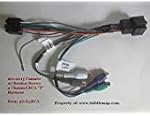
Loose wiring connections
The next step for you is to make a thorough assessment of your vehicle's speaker system, amplifier, and all its components before finding that the stereo system is defective.
In many cases, the problem may be caused by loose connections. To ensure the security of all connections and to avoid serious injury, check the electrical system. If any wires are damaged or jammed, fix them immediately before testing your audio system again.
Amplifier issues

Well, the amplifier problem could be another possible cause of the silence on your Chevy radio. Due to the voltage drop or loss of electrical connection, the amplifier may suffer damage.
An amplifier itself might be a problem if all of the connections are secure. Test the amplifier when disconnected from your system and use a multimeter to verify that it is working properly. If the multimeter does not provide a reading, it indicates that the amplifier is defective and needs to be replaced.
Shop From Amazon


High power consumption
This might not be very obvious, but if the sound in your car's speakers can be heard but it does not speak or crackle at all, excessive energy consumption may have contributed to this. In this case, it can result in damage to the batteries and electrical circuits.
To address this problem, check for any wiring shorts or broken wires in your car's electrical system. The audio may be too low if the battery is unable to supply the required output for your stereo system. You can resolve that by repairing or replacing any damaged wires and connections!
Damaged radio

Finally, we can't rule out the possibility that the problem may be with the radio itself. And as soon as you have checked your speakers, wires, and connections, you may assume that the Chevy's radio remains silent because of its malfunction.
The culprit may have been the radio unit that malfunctioned or failed. To see if this resolves the problem, you can try to reset the radio or disconnect the battery. The only solution could be to replace the radio unit with a new one if this action is not effective.
So these are all possible reasons for your radio to not be working properly for now. Once you determine what the problem is, you can immediately fix it. Let's conclude everything above.
A few words to sum up
In conclusion, the issue of no sound from the Chevy radio is, in most cases, a simple problem that can be easily solved. There are some steps described that you can take to diagnose and resolve this issue, whether it is a malfunction of the fuse, an alternator that's inoperative, dead or missing wires, damaged speakers, amplifier malfunctions, worn circuit boards, overheated radio units, or excessive power consumption.
When troubleshooting, you need to be careful and accurate, and if problems arise, it is best to ask for assistance from an expert. You will definitely have a better time listening to your favorite tunes in the car once you identify and rectify the root cause of the Chevy radio sound problems.

Nick Marchenko, PhD
Industrial Engineer & Automotive Content Specialist
Nick writes in-depth guides on car clubs, engine specs, vehicle ownership, and modifications, combining engineering knowledge with automotive passion.
Full profile → LinkedIn →You May Also Like
What Does p3497 Chevrolet Camaro mean?
2 years agoAlright, folks, let's dive into this technical jargon. In a nutshell, the p3497 diagnostic trouble code is your car telling you there's something fishy with the cylinder deactivation system Ba...
How To Prepare Chevrolet Camaro For Off Road
2 years agoFor some, tearing up the countryside is a day out at the office, while for others, it's a soul-soothing, heart-pumping jaunt into nature's rugged playground. Whatever side of the fence you'...
Is GM 3.6 Liter V6 a Good Engine? Problems, Life Expectancy & Specs
3 years agoThinking about an engine swap?Check whether the swap you're considering actually fits your vehicle — compatibility, estimated cost, required changes, and a clear recommendation.Check My Engine Swap...
How to Reset the Gauge Cluster Needle on a Chevy Camaro: A Comprehensive Guide
2 years agoThe thrill of the wide road, the svelte design, and the sound of the engine all make owning a Chevy Camaro an amazing experience. It can be quite confusing, though, if you've ever encountered a pr...
How to Fix a Chevrolet Camaro Brake Light Fault
2 years agoBrake light issues can be a real headache for any Chevrolet Camaro owner. Fortunately, with some basic tools and a bit of know-how, you can diagnose and fix the problem yourself. Here's a step-by-...
How To Remote Start a Chevy Camaro
2 years agoPicture this: it's a chilly winter morning, and you're snuggled up in your cozy bed, dreading the moment when you'll have to venture outside and freeze your buns off. Well, fear not bec...