Disclaimer: Not affiliated with or endorsed by Chevrolet Motor Company. For informational purposes only. Full Disclaimer
What is the Firing Order On a 5.3 Chevy Engine?
Updated:
Hey, you ever wonder about the magic behind that GMC Avalanche of yours? Well, it's all in the firing order of its 5.3 engine. This is the order in which each cylinder gets its spark. And let me tell you, it's pretty important. Here's why:
The Smooth Ride of a 5.3 Engine
Picture this: all the pistons of the 5.3 engine are working together in perfect harmony. This correct firing order makes sure the engine runs smoothly without those pesky internal vibrations. It's like having a coordinated dance inside your engine, minimizing wear and tear.
Save Bucks on Gas
Getting the firing sequence just right ensures the engine burns fuel efficiently. When each cylinder fires at the exact time it should, it maximizes the fuel economy. So, not only does your GMC Avalanche give you power, but it also saves you a bit of cash at the gas station. Sweet, right?
All Cylinders, Full Power
With the proper firing order, every cylinder of the 5.3 engine contributes its share of power. Whether you're speeding up on a highway or towing some heavy stuff, your vehicle's got the juice for all of it.
Breathe Easy, Engine
Now, the right firing order ensures the exhaust gasses flow out just as they should. This means less strain on the exhaust system and an even better performance from your GMC Avalanche.
The 5.3 Engine's Beat: Firing Order & Cylinder Numbers
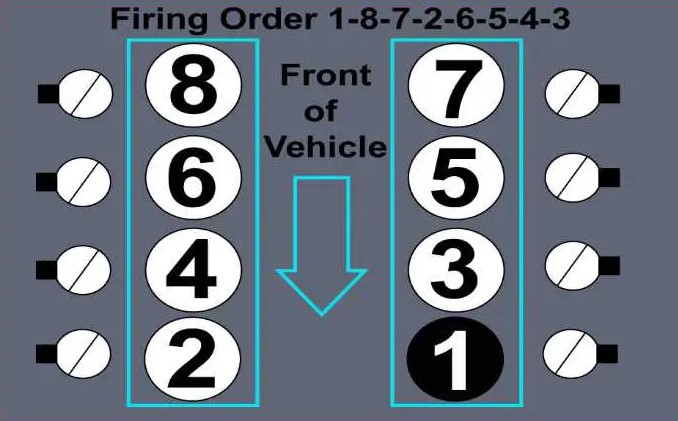
For those of you who like specifics, the firing order for the 5.3 is 1-8-7-2-6-5-4-3. On the passenger side, you got cylinders 1, 3, 5, and 7; on the driver's side, it's 2, 4, 6, and 8. And the distributor? It turns counterclockwise.
Rides with the 5.3 Engine
By the way, the GMC Avalanche isn't the only vehicle that's got the groove of the 5.3 engine. Check out some of its siblings:
- Chevrolet Silverado 1500 (1999-present)
- Chevrolet Tahoe (2000-present)
- Chevrolet Suburban (2000-present)
- GMC Sierra 1500 (1999-present)
- GMC Yukon and Yukon XL (2000-present)
- Chevrolet Avalanche (2002-2013)
- Chevrolet Express (2003-present)
- Cadillac Escalade and Escalade ESV (2002-2006)
- Chevrolet Trailblazer EXT (2003-2006)
- Buick Rainier (2004-2007)
- Chevrolet SSR (2003-2004)
- GMC Envoy XL and Envoy XUV (2003-2005)
Figuring Out if Your GMC Avalanche's 5.3 Firing Order is Off
Ever felt like your GMC Avalanche is trying to tell you something's wrong? Here are the signs that the firing order of its 5.3 engine might be a little out of tune:
That Shaky Idle
If your GMC Avalanche sounds like it's playing a beat that's just a tad off, especially while idling, then there might be a problem with the cylinder order. You don't want that inconsistency when you're at a stop light.
Engine Hiccups
Got an engine that's coughing and spluttering? A messed-up firing order can lead to those hiccups, making your ride feel less than smooth.
Feeling Thirsty at the Pump
Notice you're hitting the gas station more frequently? If that cylinder firing order isn't on point, your GMC Avalanche might be chugging down more fuel than it should. It's like drinking with a straw that's got a hole in it.
Vibration Nation
If you're feeling the groove a bit too much, especially during acceleration, then something might be up with the cylinder firing. And not in a good, musical way. More of a "this needs fixing" way.
Engine's Getting Noisy
When your truck starts sounding louder or just plain odd, the firing order could be the culprit. You know, like when the drums and the bass aren't in sync.
Backfiring Blues
Getting unexpected pops from the exhaust? Unburned fuel might be partying in the exhaust system, thanks to a wonky firing order. Not the kind of fireworks you want.
Starting Struggles
Having a hard time getting your GMC Avalanche going, especially in cold mornings? That firing order might just be giving you the cold shoulder.
A Lit-Up "Check Engine" Sign

When that dashboard lights up with a "Check Engine" warning, it's like your truck's way of saying, "Hey, something's off with my beat!" Could be that pesky firing order again.
Fixed the Firing Order but Your GMC Avalanche's Still Acting Up?
If you've tuned up the firing order and your GMC Avalanche is still giving you grief, let's dive deeper and see what's up:
Eye on the Distributor
On some of those classic rides, the distributor plays a key role in sending sparks flying. Over time, this distributor might just wear out, leading to those misfires or shaky engine beats.
It's kind of like an old record player needing a new needle. Sometimes, those contacts just need a bit of cleaning or, in some cases, replacing to get the tunes playing right.
Getting Up Close with Your GMC Avalanche's Ignition Coils
In today's trucks, we've mostly said "see ya later" to old-school distributors. Instead, it's the ignition coils running the show, producing those vital sparks for ignition on your Avalanche.
Depending on your GMC Avalanche's setup, each 5.3 cylinder might have its own ignition coil or share one with a couple of its buddies. So, a little detective work checking the resistance and overall condition can help you avoid any hiccups.

Let's Talk Sparky Connections
High tension wires, or as gearheads like to call them, spark plug wires, are the MVPs in transporting electricity to the spark plugs. A bad connection here, and your Avalanche's engine might dance to its own beat. Not ideal, right?
So, do a quick route check. Make sure each wire gets to its designated cylinder and avoid those misfire blues.
Spark Plugs: The Unsung Heroes

Those spark plugs in your Avalanche's 5.3 engine are crucial. Over time, they can get dirty or worn out. When that happens, it's time for a pitstop. Check 'em out and if they look a little rough around the edges, give 'em a swap.
Shop From Amazon


Is Your Engine's Timing On Point?
You want your GMC Avalanche's engine running like a well-timed joke. If the camshaft and crankshaft aren't in sync, it's like delivering a punchline too soon. Nobody wants that. So, make sure the timing is spot-on to avoid those engine hiccups.

Give Those Injectors a Once-Over
Fuel injectors? They're the bartenders for your engine, pouring just the right amount of fuel. If they're off their game, your Avalanche's engine could suffer. A quick check for clogs or leaks might just save you a heap of trouble down the road.
Let's Plug In and Check
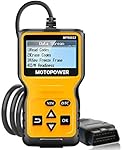
For those stubborn issues, sometimes you gotta go digital. Plugging in a diagnostic tool to the OBD-II port will give you all the inside info, helping you pinpoint any sneaky issues causing misfires.
Shop From Amazon


Feeling the Pressure?
If things feel off with your engine, it might be worth checking the cylinder compression. Low compression can indicate deeper issues, like worn piston rings or valve troubles. It's a bit like a doctor's check-up for your Avalanche.
Wrapping It Up
Your GMC Avalanche's 5.3 firing order isn't just some random sequence—it's the heart of smooth engine operation. When everything's in sync, you're not just getting a smoother ride; you're extending the lifespan of your engine and its components. So, take good care of that heart, alright?

Nick Marchenko, PhD
Industrial Engineer & Automotive Content Specialist
Nick writes in-depth guides on car clubs, engine specs, vehicle ownership, and modifications, combining engineering knowledge with automotive passion.
Full profile → LinkedIn →You May Also Like
Chevrolet Avalanche Model Year You Need to Avoid
3 years agoHave you been considering purchasing a Chevrolet Avalanche? While it may seem like a great choice for those in need of a versatile truck/SUV combo, there are some years that should be avoided due to r...
Evap Emission Purge Flow Fault On Chevy Avalanche
2 years agoThe evap emission purge flow fault is a common issue that Chevy Avalanche owners may encounter with their vehicle's Evap system. This fault occurs when there is a disruption in the flow of fuel va...