Disclaimer: Not affiliated with or endorsed by Chevrolet Motor Company. For informational purposes only. Full Disclaimer
Evap Emission Purge Flow Fault On Chevy Avalanche
Updated:
The evap emission purge flow fault is a common issue that Chevy Avalanche owners may encounter with their vehicle's Evap system. This fault occurs when there is a disruption in the flow of fuel vapor from the EVAP canister to the engine during the purge process.
It can lead to various symptoms such as a check engine light, fuel system problems, and unusual odors. In this article, we will delve into the causes, diagnosis, and repair of the evap emission purge flow fault on Chevy Avalanche, as well as provide preventive measures and guidance for seeking professional assistance when needed.
Understanding and addressing this fault is crucial to maintaining the performance and efficiency of your Chevy Avalanche's Evap system.
What is an evap emission purge flow fault?

Imagine that you are driving down the road peacefully in your trusty Chevy Avalanche when suddenly the check engine light starts flashing. Panic sets in. What could it be this time?
One possible culprit is an evap emission purge flow fault. But fear not, dear reader, for we are here to shed some light on this mysterious issue.
An evap emission purge flow fault occurs when there is a problem with the evaporative emission system in your Chevy Avalanche. This system is designed to control the release of fuel vapors from the fuel tank into the engine, preventing them from escaping into the atmosphere.
When something goes wrong with the evap emission purge flow, it can lead to various issues and trigger that dreaded check engine light.
Shop From Amazon


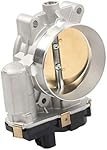
Let's delve into the inner workings of the evap system in your Chevy Avalanche. The evap system plays a crucial role in reducing harmful emissions and keeping our planet a little greener.
It consists of several components working together to ensure everything runs smoothly. At the heart of the system is the evap canister, a fancy contraption that stores fuel vapors until they can be purged into the engine for combustion.
The canister is connected to the fuel tank via a network of hoses, allowing vapors to flow in and out. To regulate this flow, the system relies on a nifty evap purge solenoid.
This solenoid acts as a gatekeeper, controlling when and how much fuel vapor is released into the engine. Sensors and valves throughout the system help monitor and regulate the process, ensuring all emissions stay in check.
Common symptoms of an evap emission purge flow fault

So how can you tell if you are dealing with an evap emission purge flow fault in your Chevy Avalanche? Here are some telltale signs to look out for: First and foremost, the check engine light will make its grand entrance.
This light is like the bouncer at the nightclub of your car's inner workings. When it starts flashing, it's time to pay attention. Alongside the check engine light, you might also receive error codes related to the evap system.
Another red flag is issues with your vehicle's fuel system. You may notice a decrease in fuel efficiency or difficulty starting the engine. These problems can arise when the evap system is malfunctioning, as it directly affects the engine's fuel-air mixture.
Lastly, keep your nose on high alert. If you catch a whiff of gasoline or other unusual odors around your vehicle, it could be a sign of a faulty evap system. Fuel vapors escaping from the evap canister or hoses can create these odorous surprises.
Diagnosing the issue

Now that you have finally identified the symptoms, let's get down to business and figure out the root cause of the evap emission purge flow fault in your Chevy Avalanche.
The following are some common culprits and troubleshooting steps: first up, the evap purge solenoid. This little gadget can occasionally get stuck or malfunction, resulting in improper fuel vapor flow.
Give it a thorough inspection and test its functionality to determine if it needs to be replaced. Next, check for any leaking or damaged evap hoses.
These hoses are exposed to the elements and can degrade over time, leading to leaks or blockages. A visual inspection and a quick pressure test should help pinpoint any potential issues.
Shop From Amazon


Finally, don't forget to give the evap canister some love. It is actually quite possible for this canister to become saturated with fuel over time, reducing its efficiency.
If you suspect a malfunctioning canister, it may need to be replaced to restore optimal performance. Please remember that diagnosing and resolving an evap emission purge flow fault may require the expertise of a qualified mechanic.
But armed with this knowledge, you will be well-prepared to discuss the issue and ensure your beloved Chevy Avalanche gets back on the road in no time.
Repairing the evap emission purge flow fault

When faced with an evap emission purge flow fault on your trusty Chevy Avalanche, one possible solution is to replace the evap purge solenoid.
This component, responsible for controlling the flow of fuel vapor from the EVAP system to the engine, can sometimes become faulty and cause the fault code to pop up.
Luckily, replacing the solenoid is a relatively straightforward process that can be done with basic tools and a bit of patience.
Repairing or replacing damaged evap hoses

Sometimes the culprit behind the evap emission purge flow fault can be damaged evap hoses. These hoses, which carry the fuel vapor from various components to the purge solenoid, can deteriorate over time due to heat, wear, or even those pesky critters that find their way into your engine bay.
If you suspect a damaged hose is causing the fault, inspect the hoses for cracks, leaks, or loose fittings. Depending on the extent of the damage, you might either be able to repair the hose with some tape or clamps or opt for a replacement if the damage is beyond repair.
Cleaning or replacing the evap canister
And the last potential culprit for the evap emission purge flow fault is a dirty or clogged evap canister. This small but important component traps and stores fuel vapor until it can be released to the engine for combustion.
Over time, debris, dust, and other gunk can accumulate in the canister, hindering its proper functioning. In some cases, a thorough cleaning using compressed air or a special cleaning solution can rejuvenate the canister.
However, if the canister is severely damaged or not responding to cleaning, replacing it might be the best course of action.

Nick Marchenko, PhD
Industrial Engineer & Automotive Content Specialist
Nick writes in-depth guides on car clubs, engine specs, vehicle ownership, and modifications, combining engineering knowledge with automotive passion.
Full profile → LinkedIn →You May Also Like
What is the Firing Order On a 5.3 Chevy Engine?
2 years agoHey, you ever wonder about the magic behind that GMC Avalanche of yours? Well, it's all in the firing order of its 5.3 engine. This is the order in which each cylinder gets its spark. And let me t...
Chevrolet Avalanche Model Year You Need to Avoid
3 years agoHave you been considering purchasing a Chevrolet Avalanche? While it may seem like a great choice for those in need of a versatile truck/SUV combo, there are some years that should be avoided due to r...