Disclaimer: Not affiliated with or endorsed by Toyota Motor Company. For informational purposes only. Full Disclaimer
How To Prepare Toyota Tacoma for Winter?
Updated:
As the chill of winter hits, we switch from light, breezy gear to warm, heavy layers to protect us from the icy cold. For those piloting a Toyota Tacoma, this also means getting their trusty ride ready for the freezing season, arming it (and themselves) to face any winter hurdles that might come along.
The process of winterizing a Toyota Tacoma is pretty cut-and-dried, but it calls for some commitment and patience.
It's always a better call to get your ride ready for winter in advance rather than wrestling with an unexpected issue without the right gear or know-how.
Toyota Tacoma Pre-Winter Checklist
Winter conditions can often pull a fast one on you and potentially turn nasty. Slippery, snow and ice laden roads along with teeth-chattering temperatures call on drivers to keep their wits about them - your Toyota Tacoma too needs to be properly prepped to take on any winter challenges like a boss.
Tires

Just like you need the right boots for the winter season, your truck needs winter "tires" to keep a firm grip on snowy roads. It's a good move to switch your summer tires to winter ones when the mercury dips to around +7 Celsius (+44 Fahrenheit).
Check your winter tires' tread depth, rubber condition, and air pressure to make sure they're ready for the action. In winter, you should keep an eye on your tire pressure more often since tires tend to lose air faster when it's cold. A ballpark figure to remember: a 10-degree drop equals a 1 PSI decrease.
Shop From Amazon


The golden rule here is to switch out your Toyota Tacoma tires before the cold hits. You definitely don't want to be left cooling your heels in a long line when you could be out enjoying the snow. Plus, it'll save you a heap of time and stress.
Brakes
Along with making sure you've got good winter traction and get-up-and-go, you need to keep tabs on your stopping power, particularly on slick surfaces like ice and snow. Check your Toyota Tacoma brake pads and rotors to make sure they're in tip-top shape and ready to deliver when it counts.
Shop From Amazon


Battery

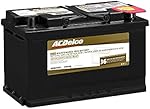
Those biting winter temperatures can really take a toll on your Toyota Tacoma's battery. When the mercury hits the floor, like -30 degrees, the battery's usual juice can dip by 30% or more.
This might not be enough juice to get your Tacoma cranking. In winter, if your Toyota Tacoma's not getting regular use, say less than every couple of days, you might find your battery's gone flat. In cases like this, you might need a hand from a kind-hearted stranger or have to lug the battery home for a recharge.
Shop From Amazon


Oils
Before Jack Frost comes a-calling, it's key to change the Toyota Tacoma's oil and oil filter. The oil's job is to keep the engine's metal bits sliding smoothly, protecting them from wear and tear. The oil's viscosity - how thick it is - plays a big role in how the engine runs.
If the oil's too thick, it'll take its sweet time flowing over the parts, and that could lead to the engine running hot.
Shop From Amazon


During winter, when it gets colder, the oil thickens up. But this issue can be easily handled by using an oil with a lower viscosity (low viscosity index oil) that's specifically made for winter conditions.
Coolant
As winter starts creeping in, it's time to swap your regular coolant for an antifreeze mix. Antifreeze doesn't just protect your Toyota Tacoma's engine in cold weather, it also helps keep the components from corroding.
Shop From Amazon


Keeping the right amount of antifreeze in the system is key. A 50:50 mix is about right and keeps the fluid from freezing even in seriously cold temperatures (-40 degrees).
If there's not enough antifreeze, the coolant could freeze, which might lead to the engine running hot and needing one or more gasket replacements.

Consumables
All those bits and pieces like spark plugs, wires, cables, belts, and hoses need a good once-over before you head out onto those winter roads. Don't be shy about popping the hood and giving everything a good look-see. If something's amiss, you'll be able to tackle the problem pronto.
Shop From Amazon


Getting ahead of potential issues now is always better than getting caught with your pants down on a snowy road later.
Fuel Level
Rolling with low fuel can put your Toyota Tacoma at risk any time of the year, as you might find yourself stuck in the sticks with no place to fill up. Driving around with an almost empty tank in winter is particularly dicey.
The chilly temps and their up-and-down nature can cause condensation to form on the walls of a half-empty tank, and before you know it, you've got water mixing with your fuel.

Water's heavier than gas or diesel, so it'll drop to the bottom, and that's a big problem: if water gets into the fuel line, it can freeze up, blocking the fuel supply to the engine and putting a crimp in your day. Fixing this kind of hiccup can cost a pretty penny.
So, despite the occasional pinch at the pump, keeping your tank topped off will protect your ride and keep more green in your pocket in the long run.
Wiper Blades and Washer Fluid
Visibility's key when you're facing down some gnarly winter weather, so you want to make sure your Tacoma wipers are firing on all cylinders.

Picture this: you're cruising down the road on a dark night when out of nowhere, you get hit with a mix of snow and rain. You flip on the wipers hoping for a clear view, but those worn-out rubber blades just smear up your windshield even worse.
Shop From Amazon


Remember, wiper blades are rubber, and rubber can get brittle and wear down over time. It's a good idea to swap out your wiper blades every half-year to a year.
And don't you forget about that windshield washer fluid. That stuff's key for getting rid of snow and ice on your windshield. Make sure you switch out the regular stuff for a winter-grade mix. You can grab a bottle at any gas station.
Emergency Kit
The only sure thing on the road, especially in winter, is uncertainty. But you can be ready for whatever comes your way.
One of the smartest moves you can make is to keep a fully-stocked emergency kit in your Tacoma. Here's what you should have on hand:
- Jumper cables;
- First aid kit;
- Window scraper and brush;
- Compact shovel;
- Warm clothes;
- Compact flashlight with batteries;
- Extra coolant or antifreeze;
- Car door lock defroster;
- Silicone grease for seals;
Shop From Amazon


Wrapping Up
As you can see, getting your ride winter-ready ain't rocket science. Yeah, it takes a little time and a few extra things in your trunk, but it's a lot better than finding yourself stranded with no way out when Old Man Winter comes calling.

Nick Marchenko, PhD
Industrial Engineer & Automotive Content Specialist
Nick writes in-depth guides on car clubs, engine specs, vehicle ownership, and modifications, combining engineering knowledge with automotive passion.
Full profile → LinkedIn →You May Also Like
How To Maintain Leather Seats in Toyota Tacoma?
2 years agoThose plush leather seats truly elevate the style and sophistication of your ride. Got a Toyota Tacoma rocking leather seats right off the factory floor or did you treat it to an upgrade from cloth on...
How to Get Rid Of Bad Smell in Toyota Tacoma? Tips for Removing Car Odors
2 years agoAfter some point, you may smell that distasteful odors inside Toyota Tacoma. If you treat your vehicle with love and take care of its interior, you can still face smells. Additionally, the more...
Tips How to Detail Exterior & Interior of Toyota Tacoma
2 years agoEven if you manage to keep your Toyota Tacoma clean by storing it in a clean place, you can still witness dirt or dust appearing on it. If you drive your vehicle in the rain or through muddy terrain o...
How To Clean Your Jeep Toyota Tacoma Headlights?
2 years agoWith time and use, the headlights of your Toyota Tacoma start showing signs of wear and lose their original clear shine. This can be due to a range of factors, such as exposure to sunlight, build-u...
How To Clean Your Toyota Tacoma’s Engine
2 years agoThe engine of the Toyota Tacoma is the roaring beast that defines acceleration, speed, and the overall driving experience. Ensuring proper engine maintenance is key to enhancing its lifespan and wardi...
How To Clay Bar Your Toyota Tacoma?
2 years agoEver caught yourself admiring the sparkling, showroom-shine on your Toyota Tacoma? Then, you might just be curious about the mastery of a technique known as clay bar detailing. Here's the drill...