WINCH USAGE — POWER WAGON ONLY (IF EQUIPPED)
General Winch Information
Your vehicle is equipped with an electric vehicle recovery winch. This winch uses the electrical power from the vehicle charging system to power a motor that winds the winch rope onto the winch drum via planetary gear reduction. By nature, a winch is capable of generating very high forces and should be used with care. Do
not operate the winch without reading and understanding the complete winch owner's manual.
The winch rope must be properly tensioned before use. Follow the instructions below to tension the rope:
|
CAUTION! |
|
Be certain the anchor will withstand the load required to tension the winch rope. |
Your winch is equipped with a device that will interrupt winch function if the vehicle charging system voltage drops to a low level. The winch will not power-in or out for 30 seconds if this device is tripped. If the interrupt is tripped, the vehicle should be operated at high idle for a few minutes to allow the vehicle charging system to recover before continuing to winch.
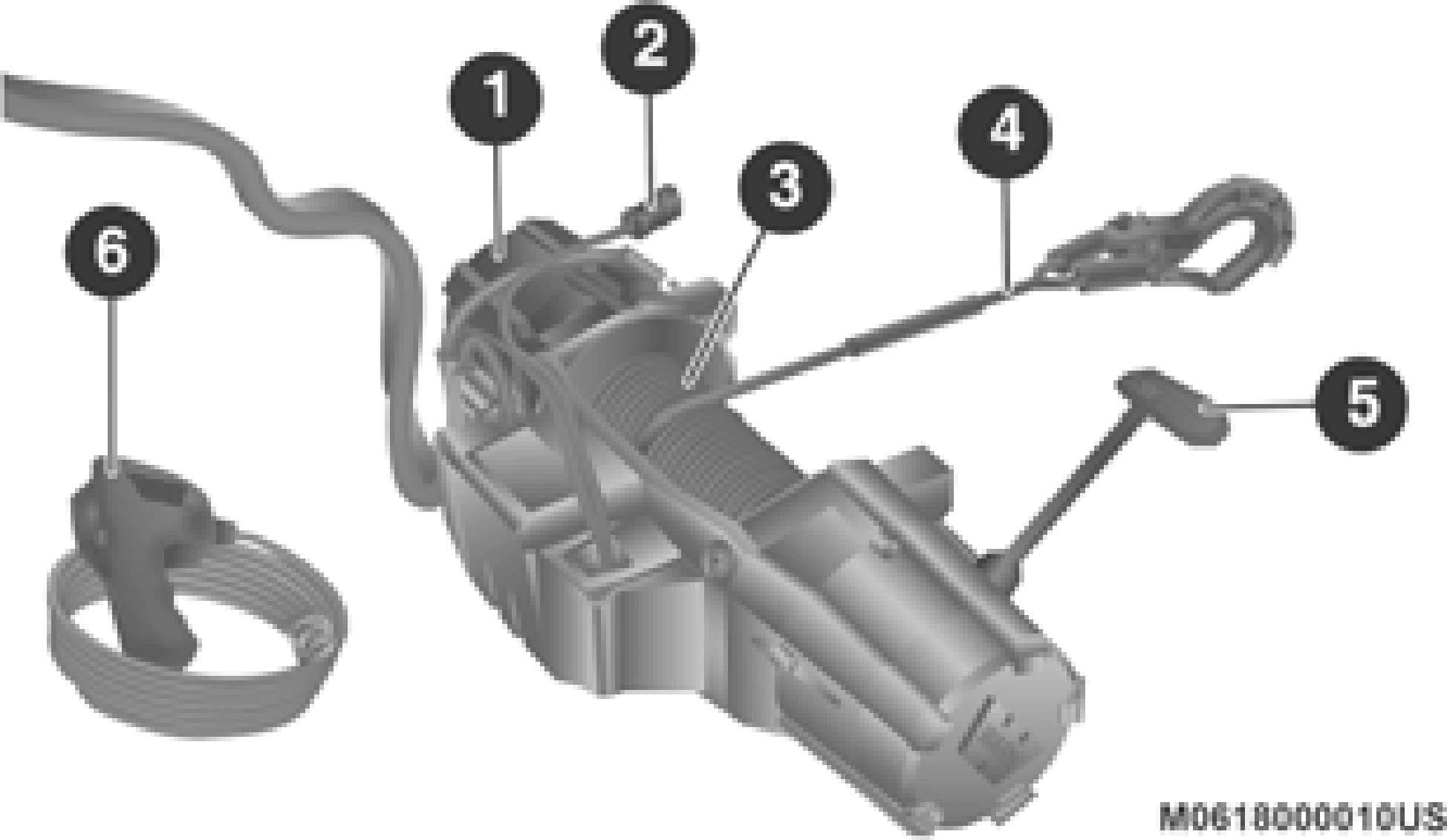
Winch Components
the control pack to allow the winch to func- tion.
|
CAUTION! |
|
If not installed, the hook strap must be placed on the hook. |
Fairlead: The hawse fairlead acts as a guide for the synthetic rope and minimizes damage to the rope.
The following accessories are necessary to attach the winch to anchors, change direction of pull, and for safe winching.
 Gloves: It is extremely important to wear protective gloves while oper- ating the winch or handling the winch rope. Avoid loose fitting clothes or
anything that could become entangled in the rope and other moving parts.
 Snatch/Block Pulley: Used properly, the multi-purpose snatch block allows you to (1) increase the winch's pulling power; and (2) change your pulling
direction without damaging the winch rope. Proper use of the snatch block is covered in "Before You Pull."
Clevis/D-Shackles: The D-Shackle is a safe means of connecting the looped ends of cables, straps and snatch blocks. The shackle's pin is
 threaded to allow easy removal.
Tree Trunk Protector: Typically made  of tough, high-quality nylon, it
provides the operator an attachment
point for the winch rope to a wide variety of anchor points and objects, as well as protect living trees.
Abrasion Sleeve: The abrasion sleeve is provided with the synthetic rope and must be used with the synthetic rope at all times to protect the rope from potential abrasion wear. The sleeve has a loose fit so it can easily be positioned along the synthetic rope to protect from rough surfaces and sharp corners.
Practice using your winch before you get stuck. Some key points to remember when using your winch are:
|
CAUTION! |
|
Never power hook through fairlead. Could cause damage.
|
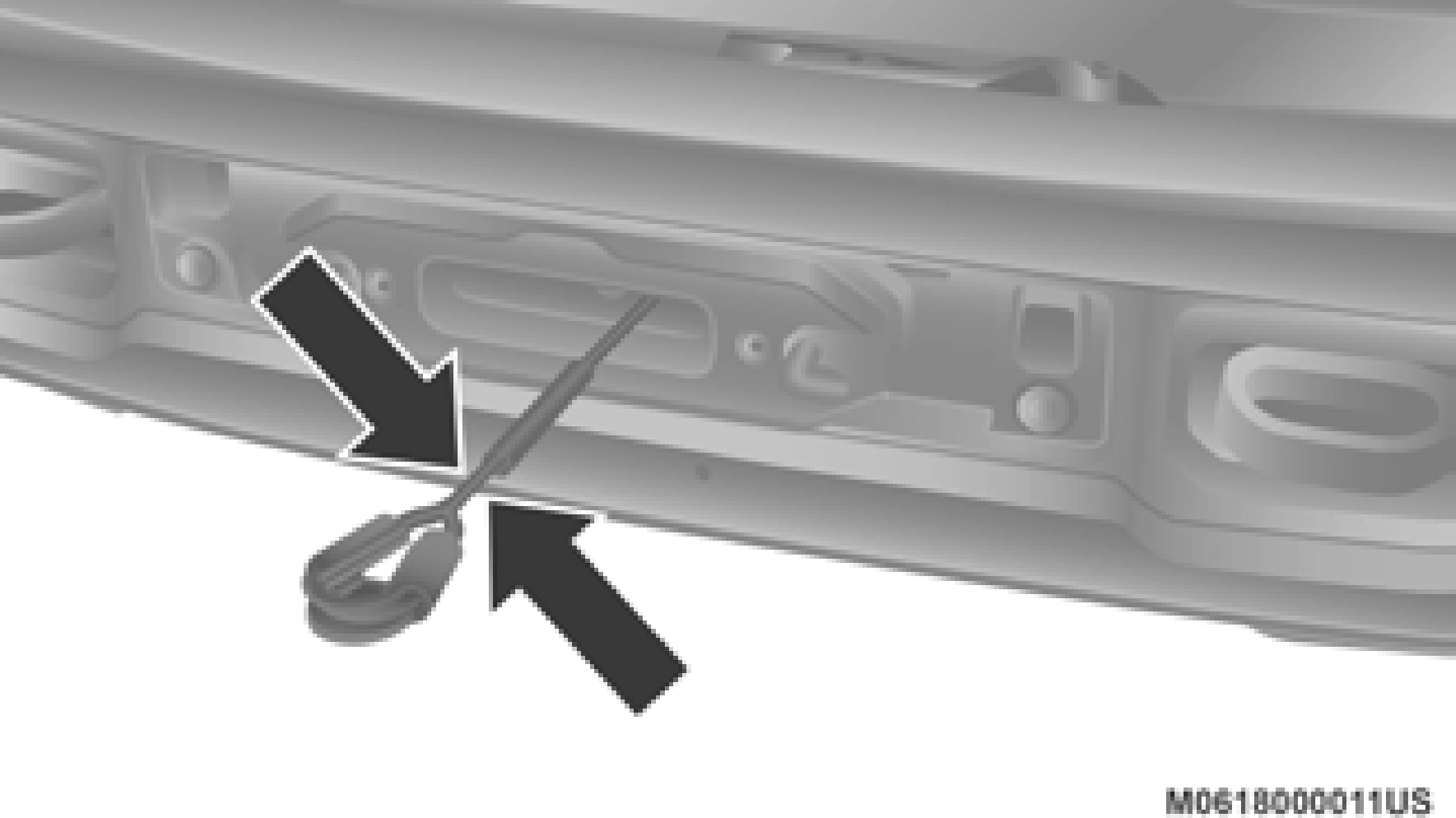
1. Inspect the winch, winch mount, and synthetic rope for damage. Do not use the winch if the mount is loose or rope shows excessive wear, frays, or damage.
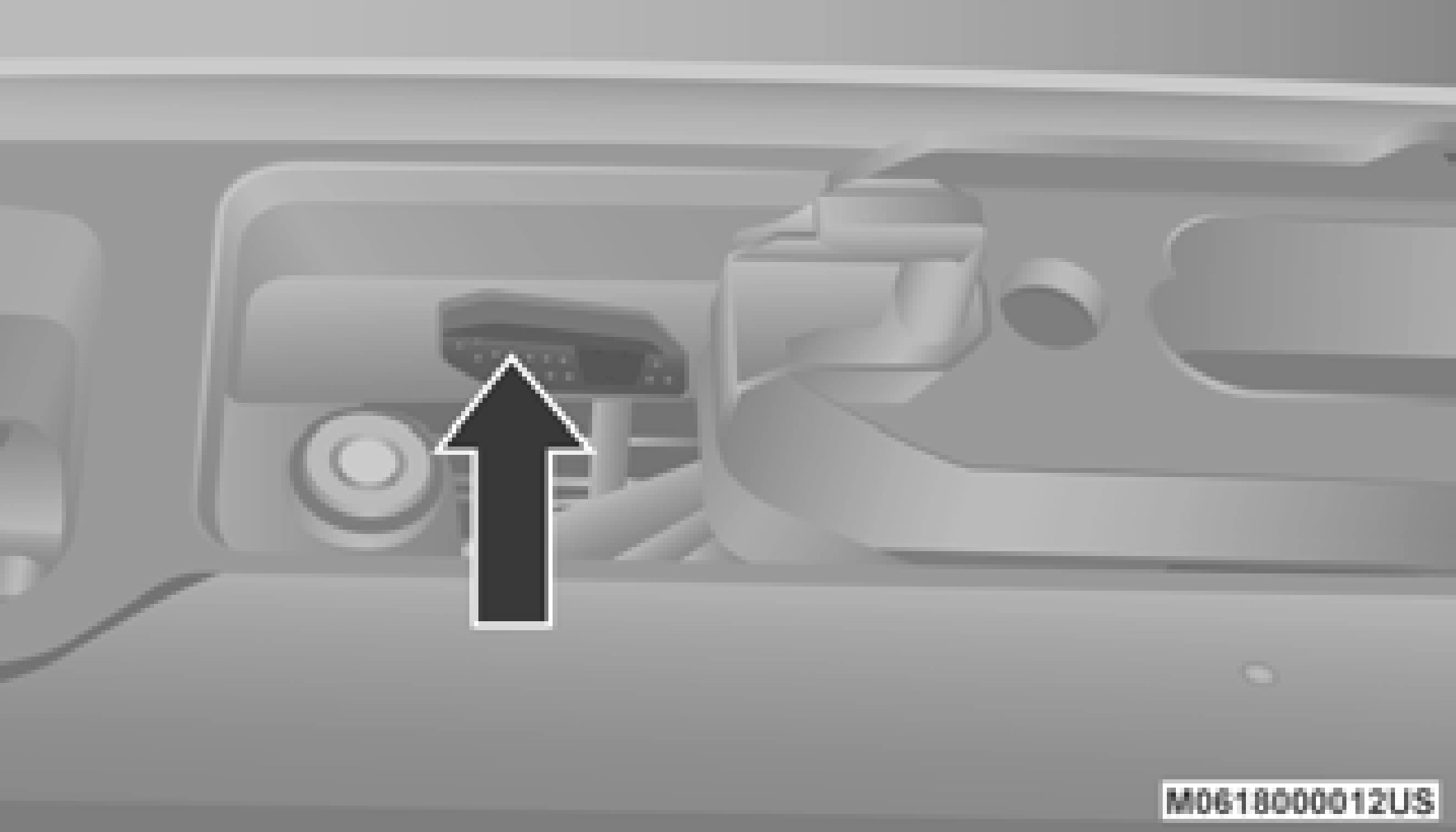
Free Spool Lever
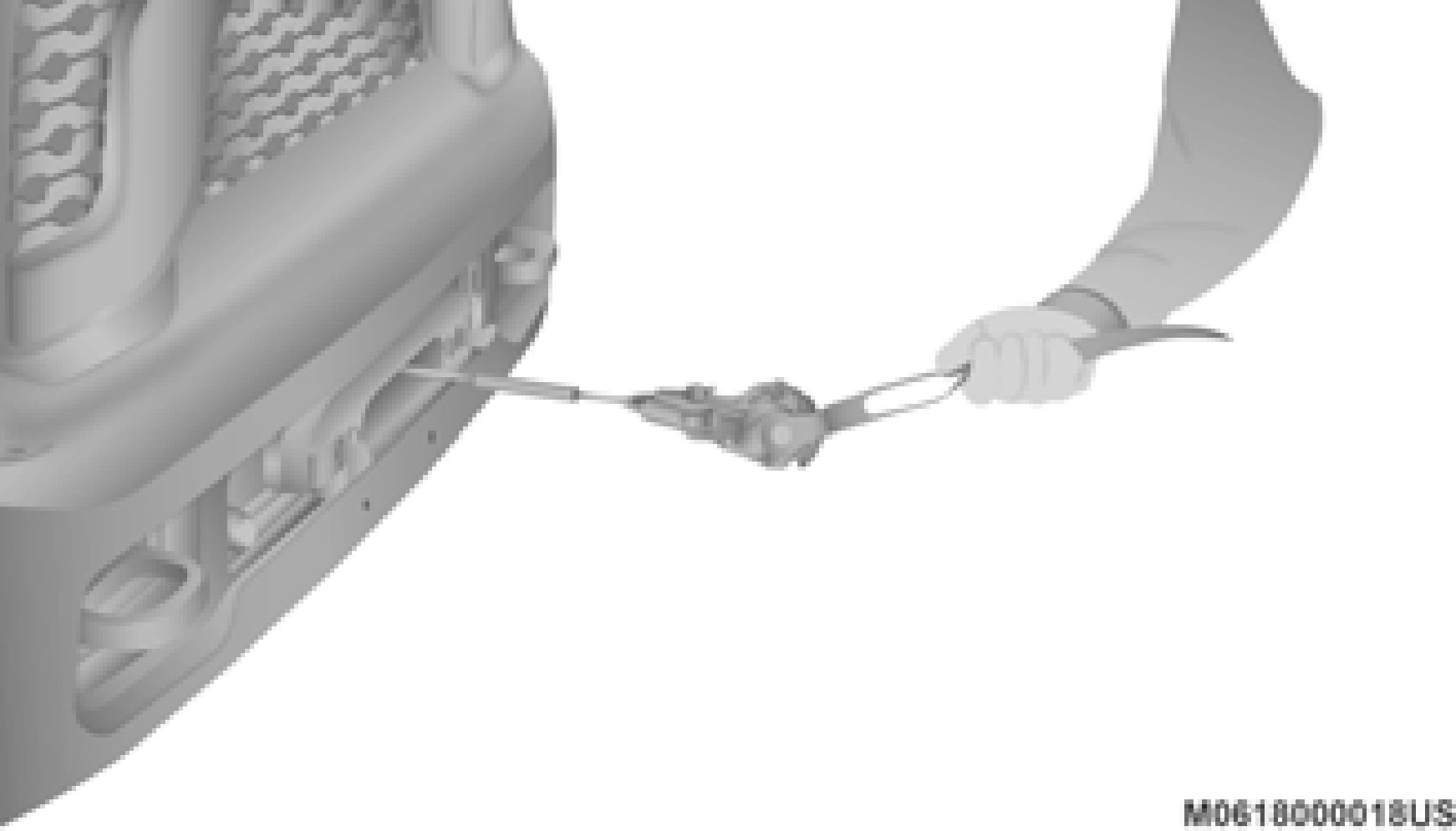
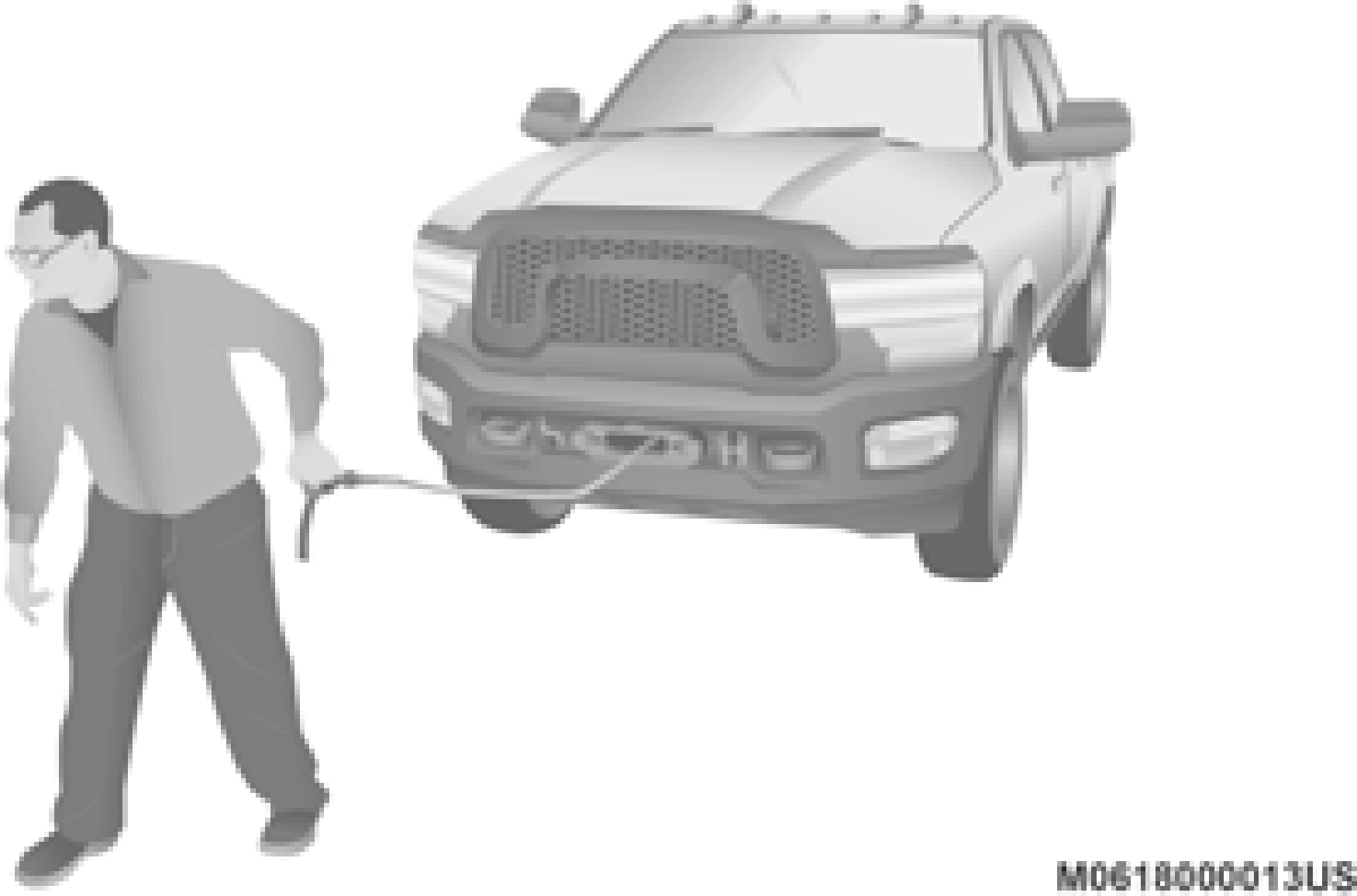
Winch Rope
Hook Strap
Pulling Synthetic Rope
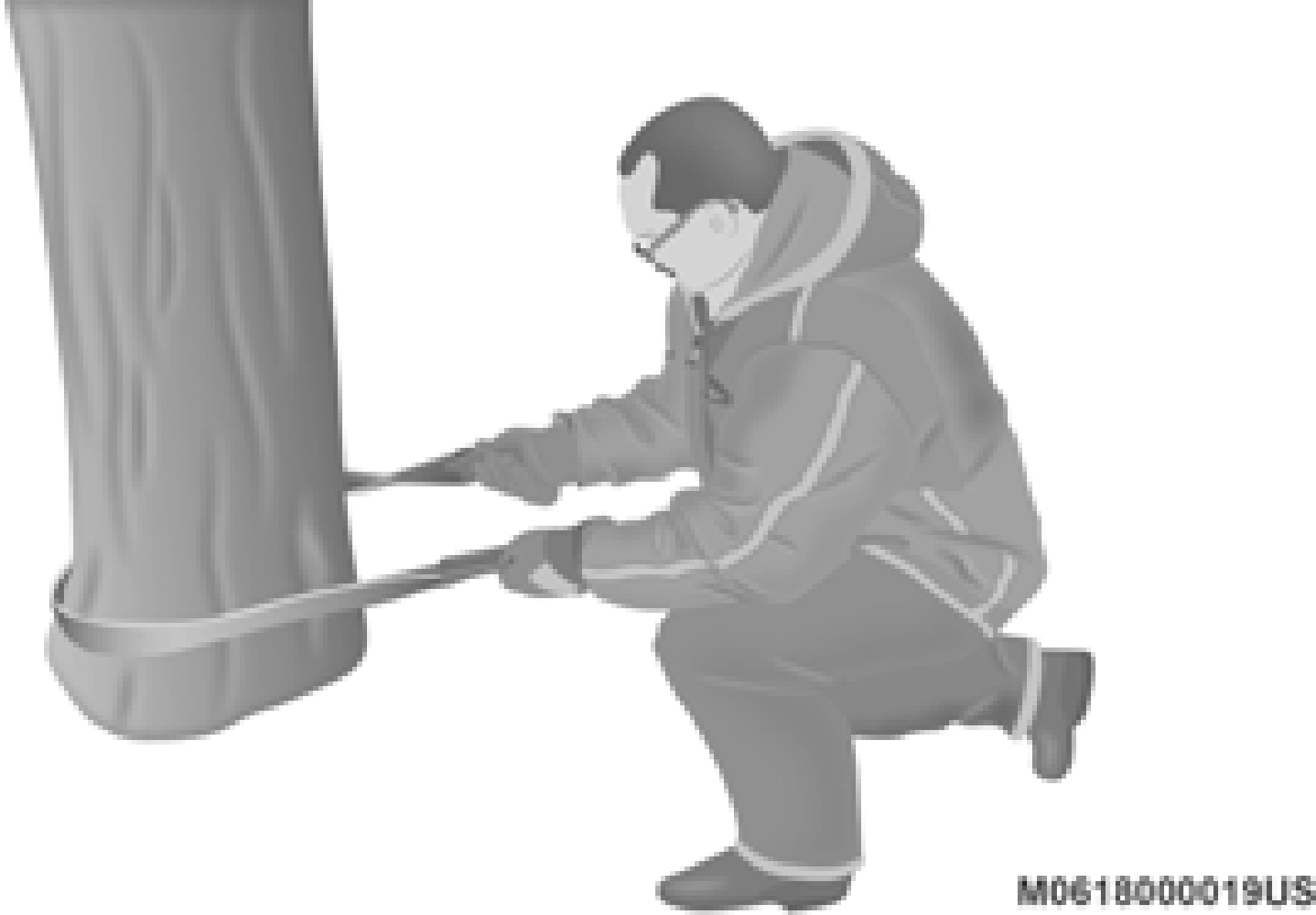
Tree Trunk Protector
|
CAUTION! |
|
Always be certain the anchor you select will withstand the load. |
How to choose an anchor point: A secure anchor is critical to winching operations. An anchor must be strong enough to hold while winching. Natural anchors include trees, stumps and rocks. Hook the cable as low as possible. If no natural anchors are available when recovering another vehicle, your vehicle
becomes the anchor point. In this case, be sure to put the transmission in NEUTRAL, apply the hand brake and block its wheels to prevent your vehicle from moving. Ideally, you'll want an anchor point that will enable you to pull straight in the direction the vehicle will move. This allows the synthetic rope to wind tightly and evenly onto the spooling drum. An anchor point as far away as possible will provide the winch with its greatest pulling power.
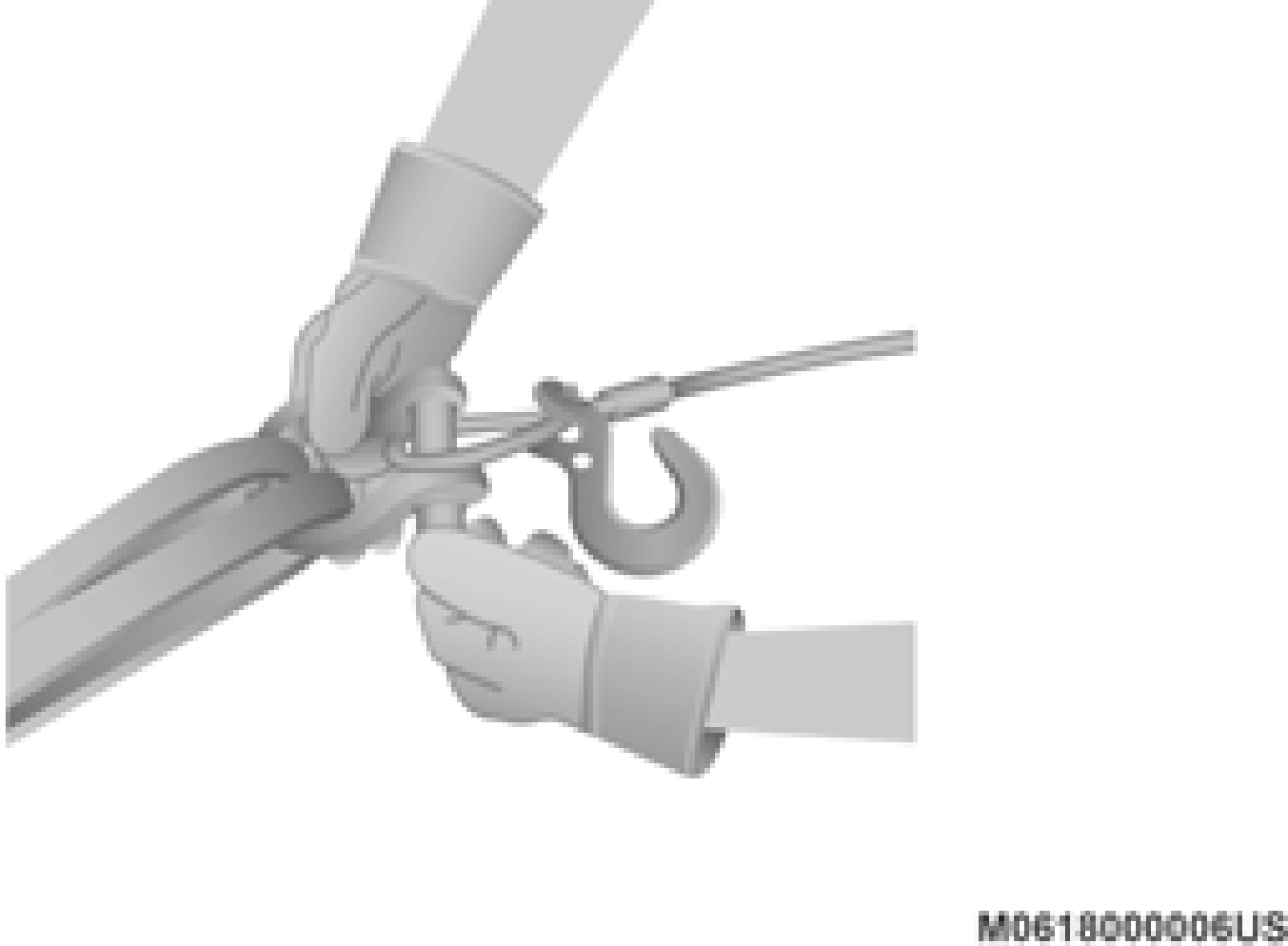
Clevis/D-Shackles
Always ensure the clutch is fully engaged or disengaged.
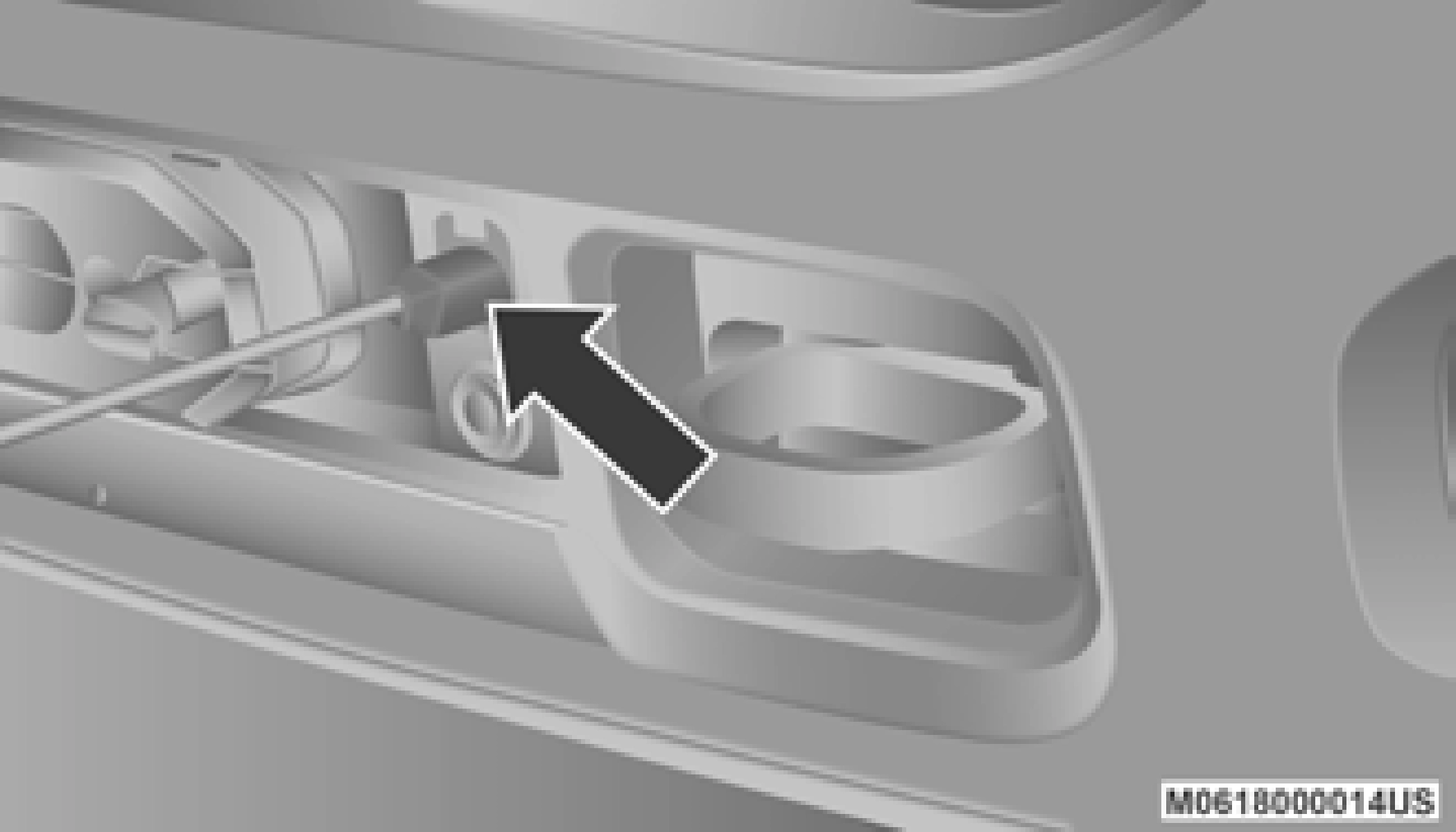
Winch Box Remote Control Connector
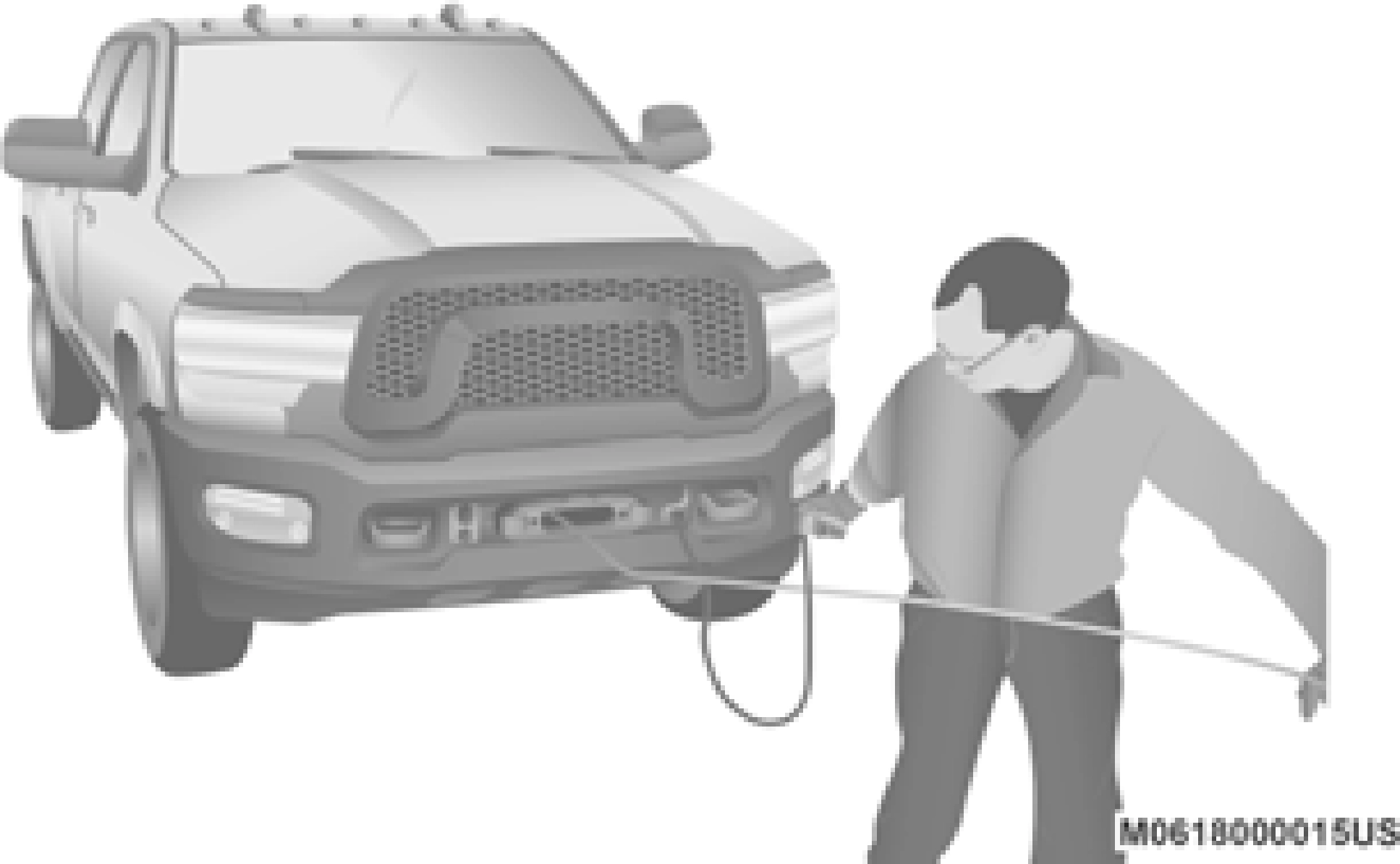
Pulling Synthetic Rope Under Tension
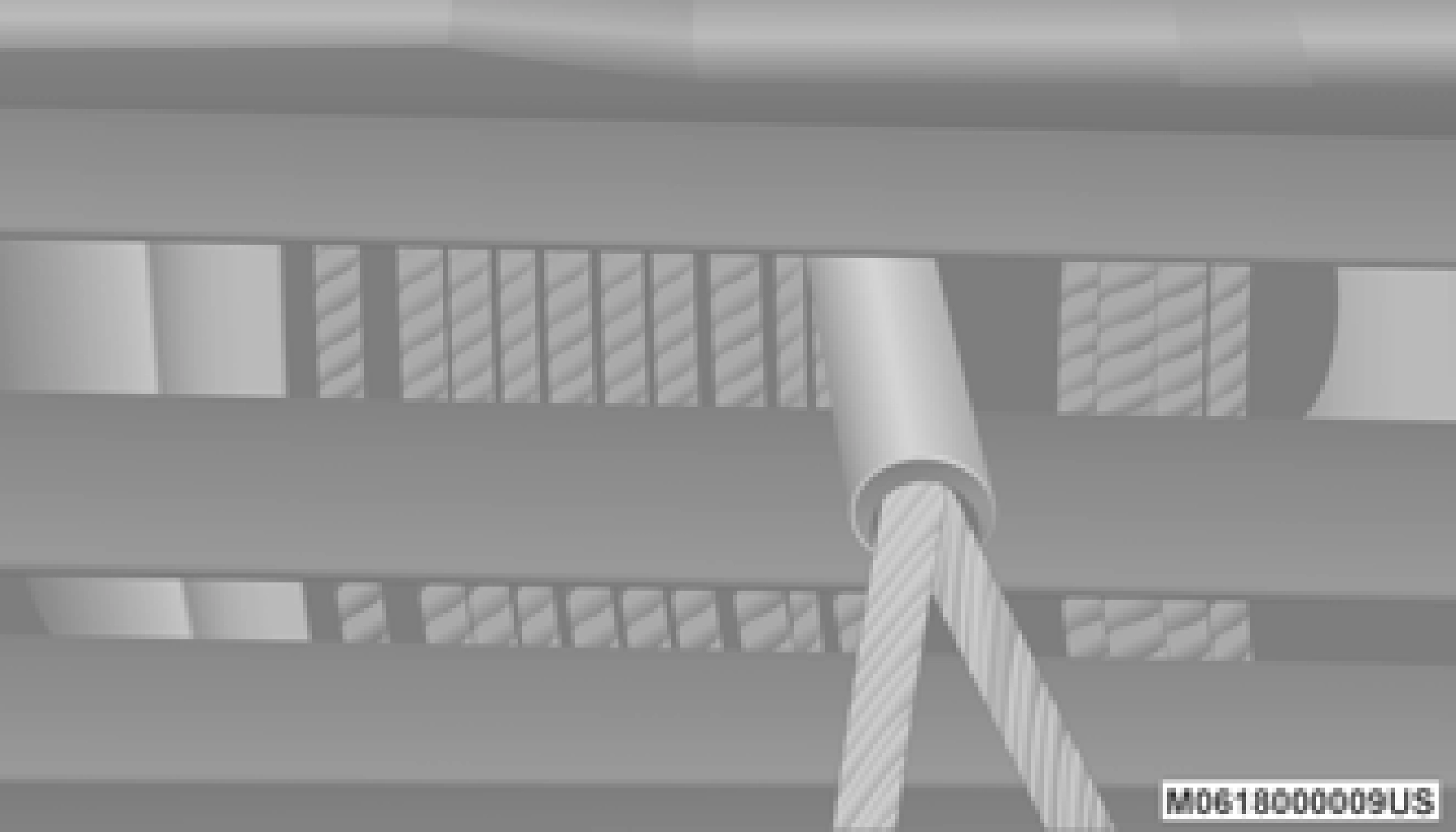
Synthetic Rope Neatly Wound Around The Spooling Drum
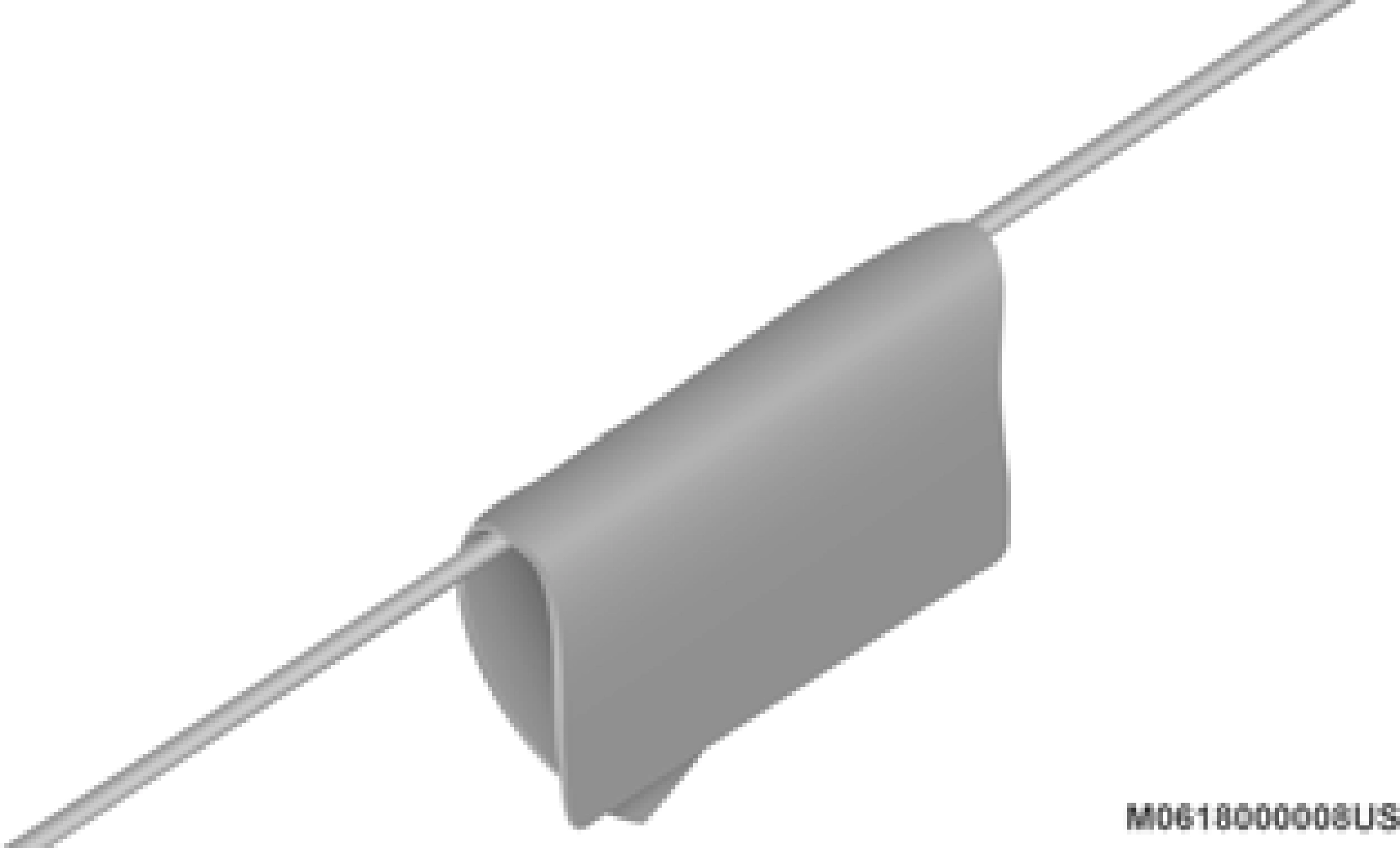
Heavy Blanket Over Rope
In certain situations you may decide to throw a heavy blanket or similar object over the rope. A heavy blanket can absorb ener- gy should the synthetic rope break. Place it on the rope midway between the winch and the anchor point. Do this before the rope is
put under tension. Do not approach or move the blanket once tension is applied. Do not allow it to get pulled into the fairlead. If it is necessary to move or remove the blanket, slack the tension on the rope first.
No People Zones
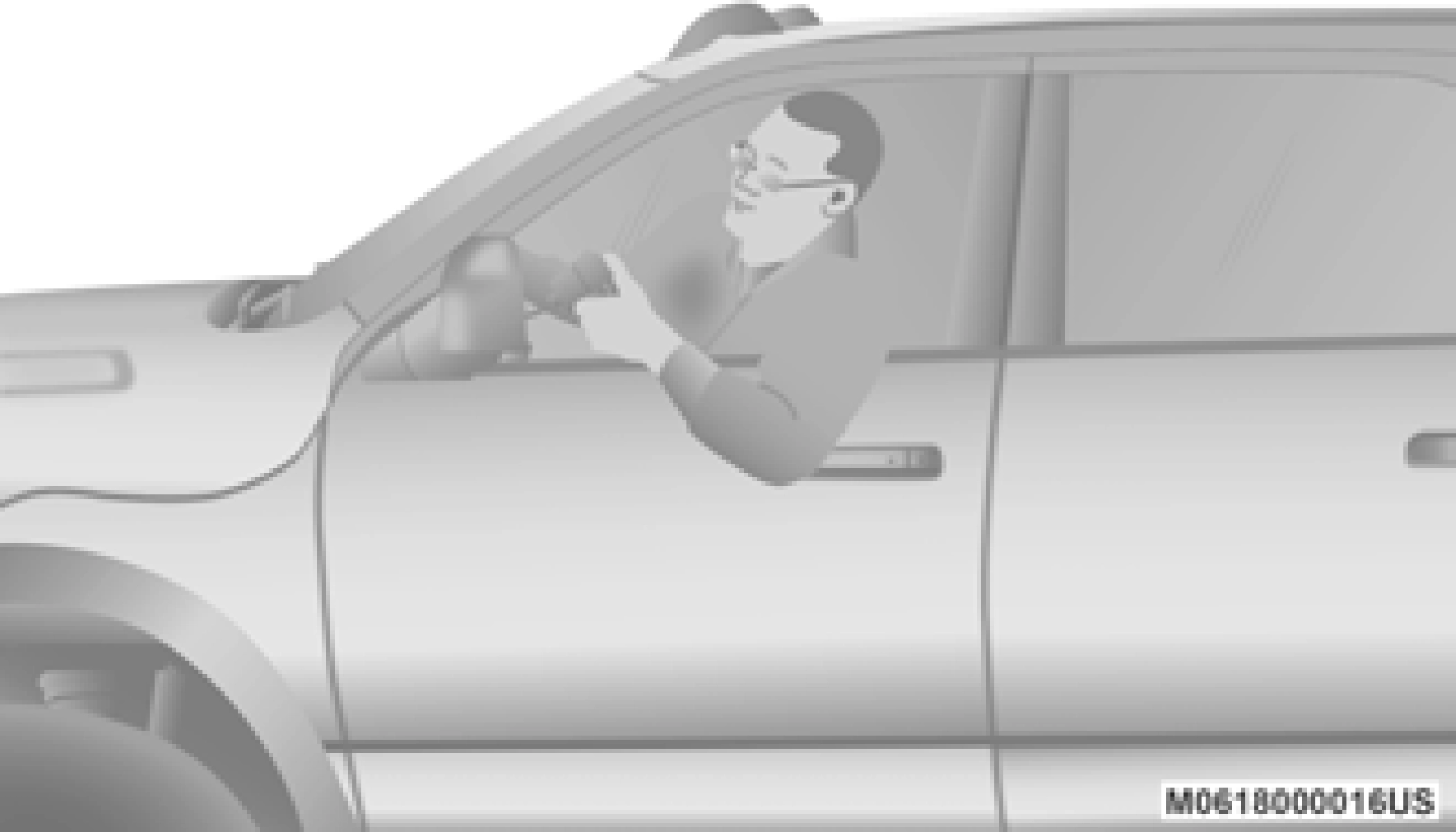
Using The Remote Control
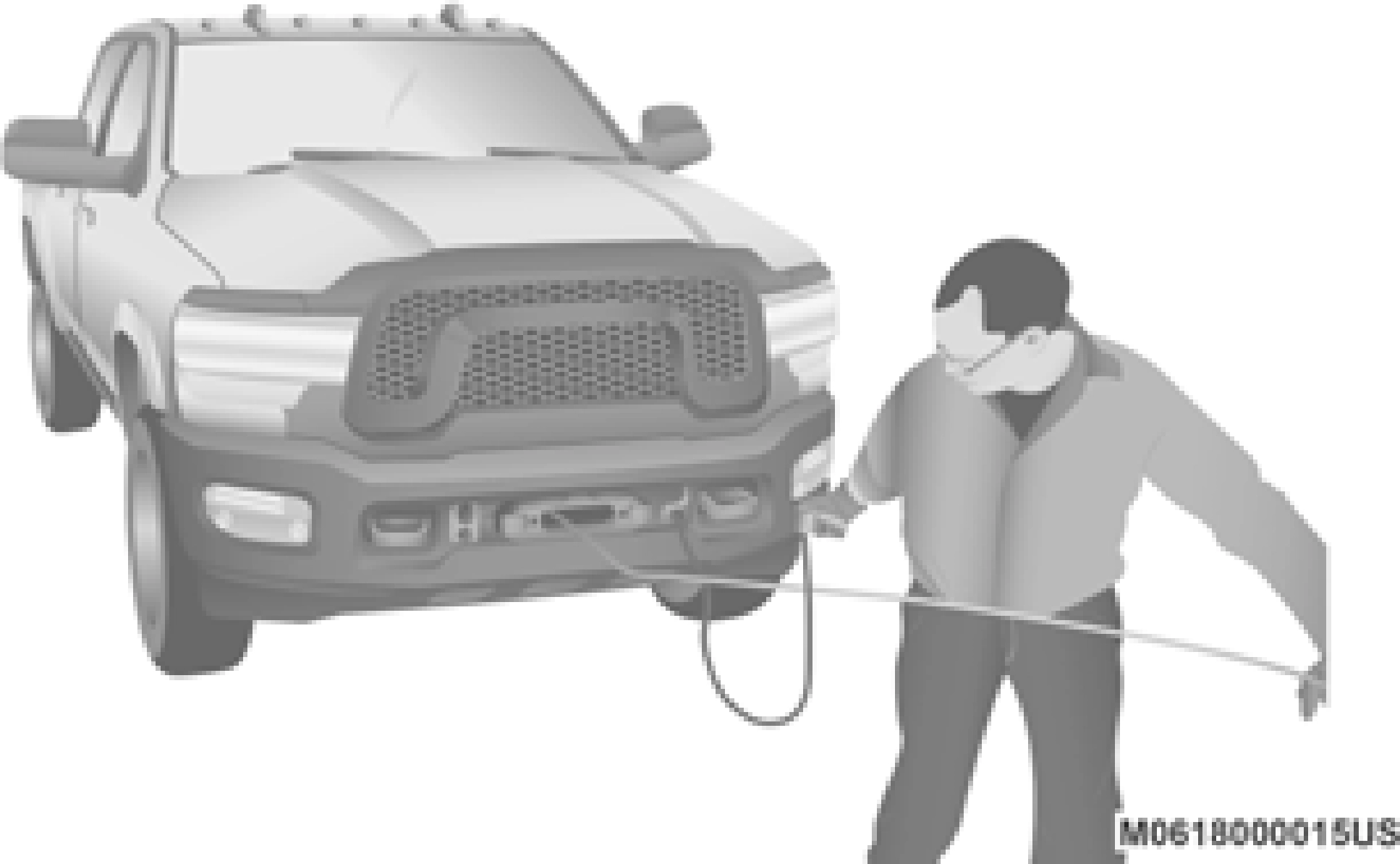
Rewinding The Synthetic Rope
|
WARNING! |
|
To prevent serious injury, NEVER put your fingers inside the hook area as you are powering-in. |
How to spool under no load: Arrange the remote control lead so it cannot be caught in the winch. Arrange the synthetic rope so it will not kink or tangle when spooled. Be sure any synthetic rope already on the spooling drum is wound tightly and evenly layered. Tighten and straighten the layer if necessary. Keep the synthetic rope under light tension and spool the rope back and onto the winch drum in even layers. Stop frequently to tighten and straighten the layers as necessary. Repeat this process until the winch hook is the same distance as the full length of the remote control from the winch. Pinch the hook between your thumb and fore- finger and attach the hook strap. Hold the hook strap between the thumb and forefinger to keep tension on the synthetic rope. Walk the synthetic rope towards the fairlead, carefully spooling in the remaining rope by pulsing the remote control switch.
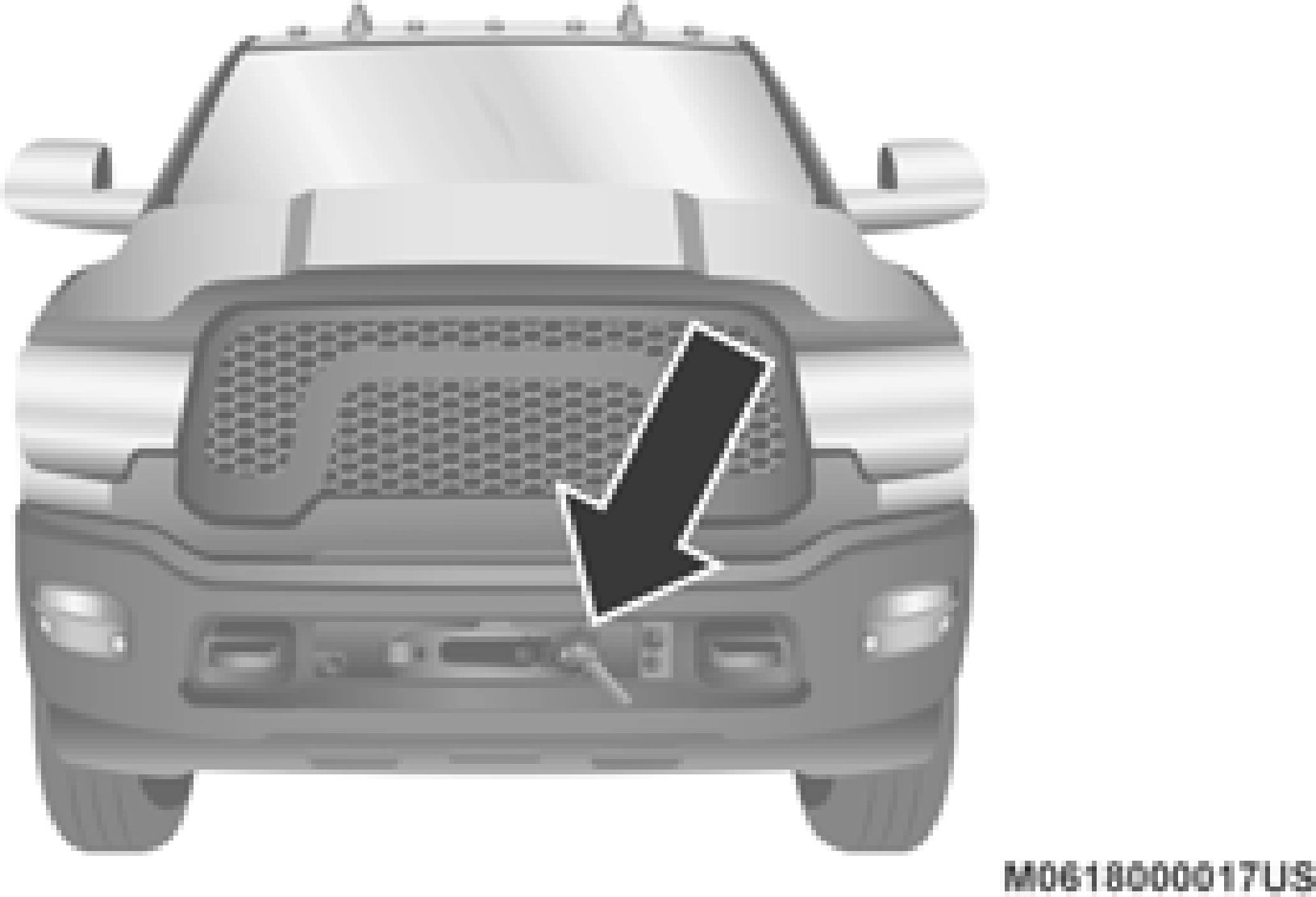
Hook In Stored Position
Always store the remote control in a protected, clean, dry area.
Various winching situations will require applica- tion of other winching techniques. These could range from too little distance to achieve maximum pull using straight line rigging, simply increasing pulling power, or maintaining a straight-line pulling situation. You will have to
assess what technique is correct for your situa- tion. Think "safety" at all times.
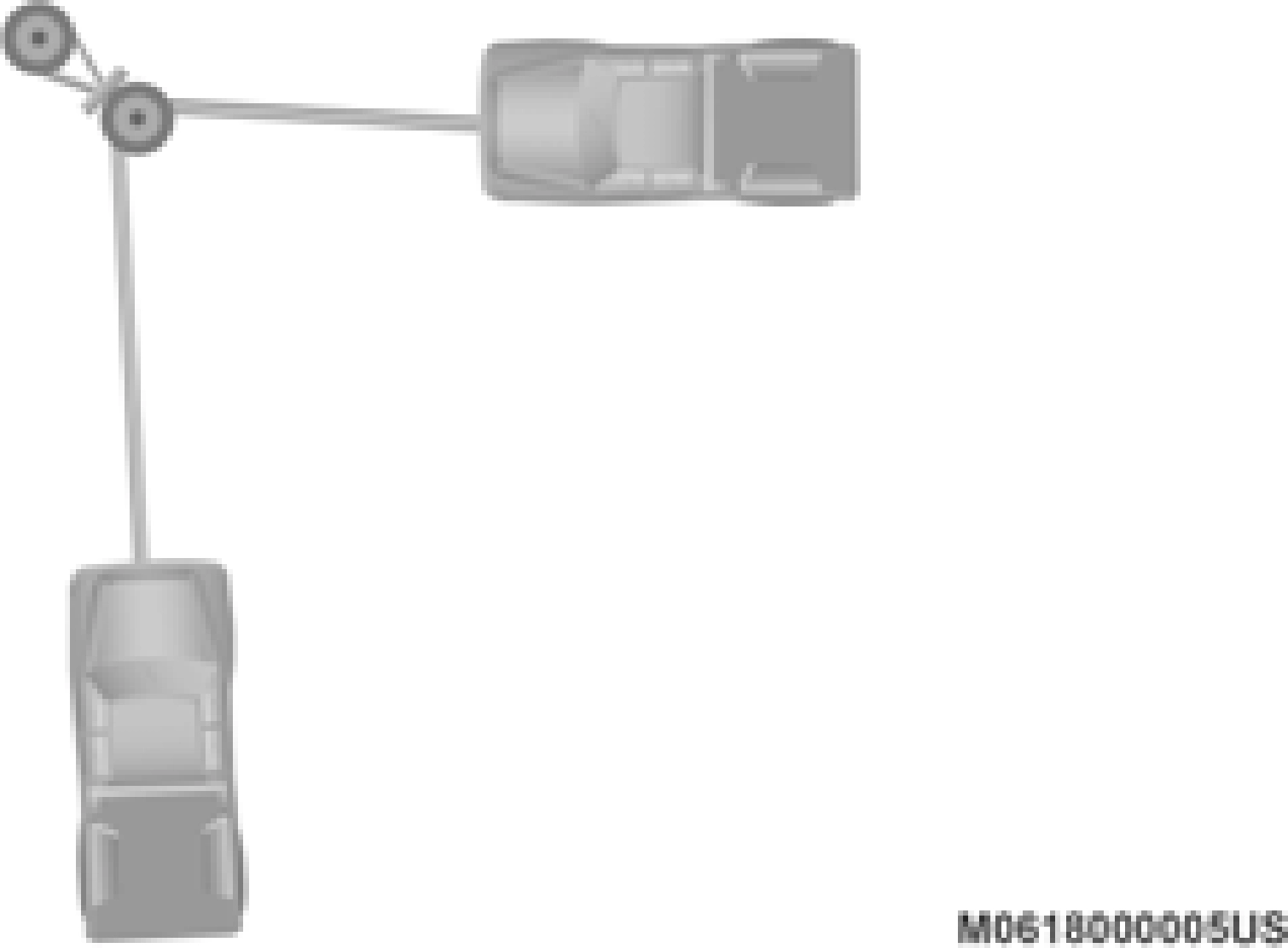
Change Pulling Directions
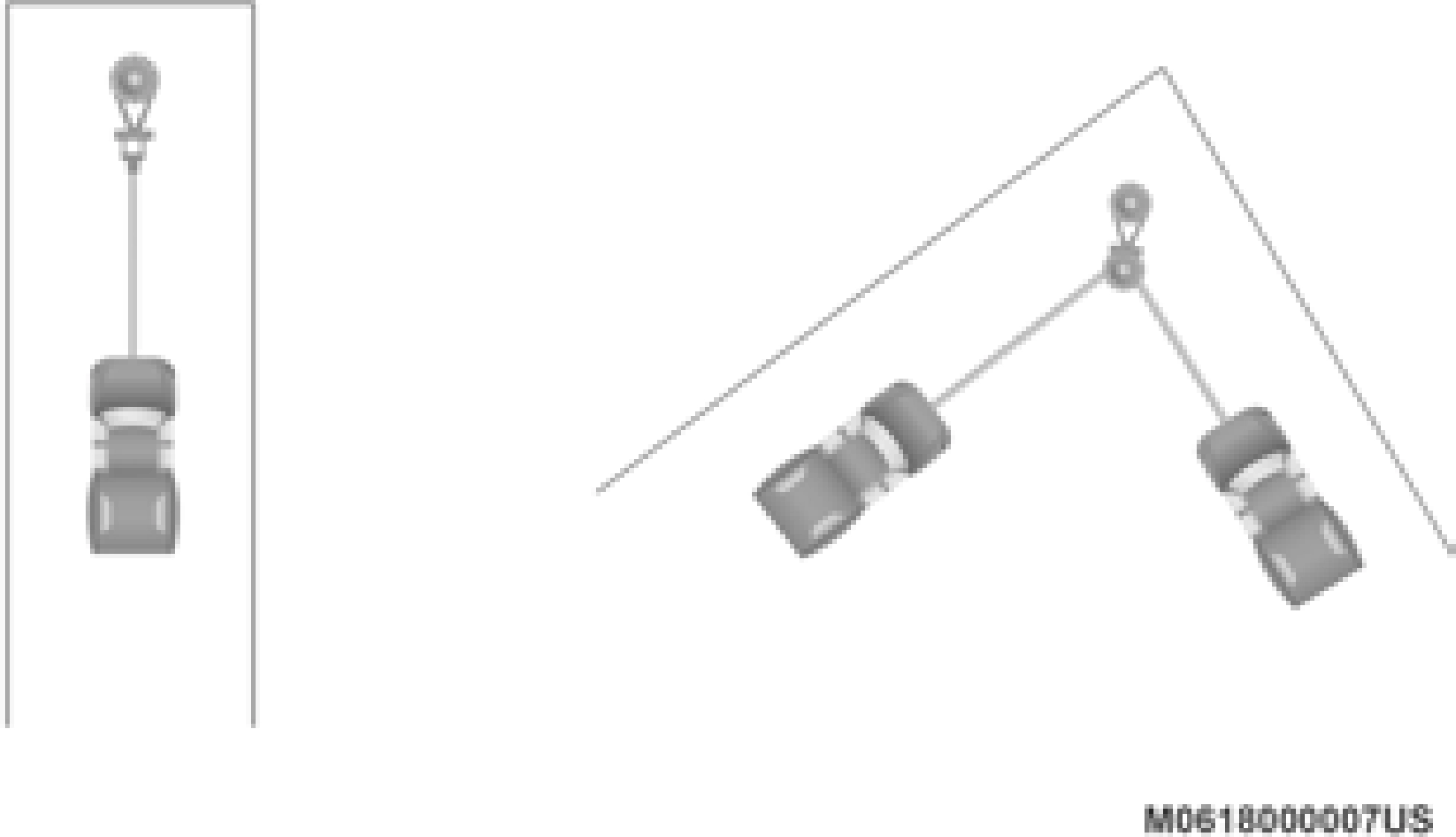
All winching operations should have a straight line from the winch to the object being pulled. This minimizes the synthetic rope collecting on one side of the drum affecting pulling efficiency and damaging synthetic rope. A snatch block, secured to a point directly in front of the vehicle will enable you to change your pulling direction while still allowing the synthetic rope to be at 90° to wind properly onto the spooling drum.
In some cases, you may find yourself needing more pulling power. The use of snatch blocks increases mechanical advantage and that increases your pulling power.
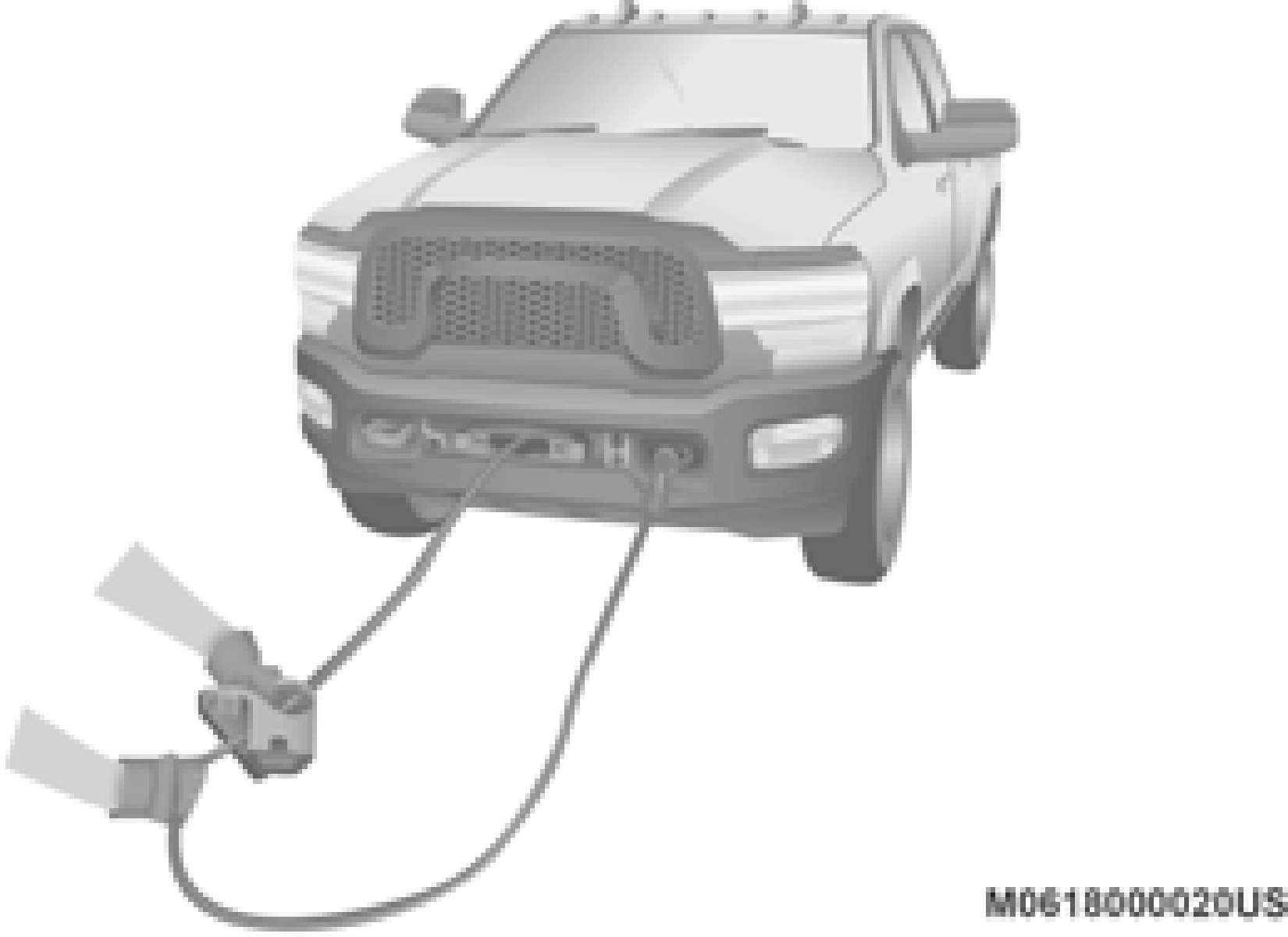
Wire Rope Routing
Because pulling power decreases with the number of layers of synthetic rope on the winch drum, you can use a snatch block to double line out more rope. This decreases the number of layers of synthetic rope on the drum, and increases pulling power. Start by feeding out enough synthetic rope to free the winch hook. Attach the hook to your vehicle's frame/tow hook and run the rope through a snatch block. Disengage the clutch and, using the snatch block, pull out enough synthetic rope to reach your anchor point. Do not attach the hook to the mounting kit. Secure to the anchor point with a tree trunk protector or choker chain. Attach the clevis/shackle. Attach the shackle to the two ends of the strap/chain, being careful not to over tighten (tighten and back-off 1/2 turn).
Download Manual