FUEL REQUIREMENTS
3.6L Engine
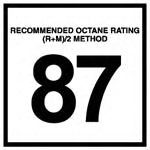
This engine is designed to meet all emis- sions regulations and provide excellent fuel economy and performance when
using high-quality unleaded “Regular” 9
Torque Patterns
gasoline having an octane rating of 87 as specified by the (R+M)/2 method. The use of higher octane “Premium” gaso-
line will not provide any benefit over “Regular” gasoline in these engines.
While operating on gasoline with an octane number of 87, hearing a light knocking sound from the engine is not a cause for concern. However, if the engine is heard making a heavy knocking sound, see your dealer immediately. Use
of gasoline with an octane number lower than 87 can cause engine failure and may void or not be covered by the New Vehicle Limited Warranty.
Poor quality gasoline can cause problems such as hard starting, stalling, and hesitations. If you experience these symptoms, try another brand of gasoline before consider- ing service for the vehicle.
Do not use E-85 flex fuel or ethanol blends greater than 15% in this engine.
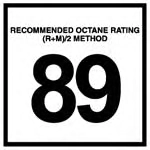
This engine is designed to meet all emis- sions regulations and provide satisfac- tory fuel economy and performance when using high-quality unleaded gaso- line having an octane range of 87 to 89 as specified by the (R+M)/2 method. The use of 89 octane “Plus” gasoline is rec-
ommended for optimum performance and fuel economy.
While operating on gasoline with an octane number of 87, hearing a light knocking sound from the engine is not a cause for concern. However, if the engine is heard making a heavy knocking sound, see your dealer immediately. Use
of gasoline with an octane number lower than 87 can cause engine failure and may void or not be covered by the New Vehicle Limited Warranty.
Poor quality gasoline can cause problems such as hard starting, stalling, and hesitations. If you experience these symptoms, try another brand of gasoline before consider- ing service for the vehicle.
Do not use E-85 flex fuel or ethanol blends greater than 15% in this engine.
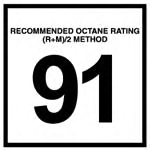
This engine is designed to meet all emis- sion regulations, provide optimal fuel economy and performance when using high-quality unleaded “Premium” gaso- line having a posted octane number of 91 as specified by the (R+M)/2 method. The use of 91 or higher octane “Pre-
mium” gasoline is required for in this engine.
While operating on gasoline with the required octane number, hearing a light knocking sound from the engine is not a cause for concern. However, if the engine is heard making a heavy knocking sound, see your dealer immedi- ately. Use of gasoline with a lower than recommended
octane number can cause engine failure and may void or not be covered by the New Vehicle Limited Warranty.
Poor quality gasoline can cause problems such as hard starting, stalling, and hesitations. If you experience these symptoms, try another brand of gasoline before consider- ing service for the vehicle.
Many areas of the country require the use of cleaner burning gasoline referred to as “Reformulated Gasoline”. Reformulated gasoline contains oxygenates and are specifi- cally blended to reduce vehicle emissions and improve air quality.
Designated TOP TIER Detergent Gaso- line contains a higher level of deter- gents to further aide in minimizing en- gine and fuel system deposits. When available, the usage of TOP TIER Deter- gent gasoline is recommended. Visit www.toptiergas.com for a list of TOP
TIER Detergent Gasoline Retailers.
Indiscriminate use of fuel system cleaning agents should be avoided. Many of these materials intended for gum and varnish removal may contain active solvents or similar ingredients. These can harm fuel system gasket and dia- phragm materials.
The use of reformulated gasoline is recommended. Prop-
erly blended reformulated gasoline will provide improved performance and durability of engine and fuel system components.
Besides using unleaded gasoline with the proper octane rating, gasolines that contain detergents, corrosion and stability additives are recommended. Using gasolines that have these additives will help improve fuel economy, reduce emissions, and maintain vehicle performance.
Some fuel suppliers blend unleaded gasoline with oxygen- ates such as ethanol.
Problems that result from using gasoline containing more than 15% ethanol (E-15) or gasoline containing methanol are not the responsibility of the manufacturer and may void or not be covered under New Vehicle Limited Warranty.
Non-Flex Fuel Vehicles (FFV) are compatible with gasoline containing up to 15% ethanol (E-15). Use of gasoline with higher ethanol content may void the New Vehicle Limited Warranty.
If a Non-FFV vehicle is inadvertently fueled with E-85 fuel, the engine will have some or all of these symptoms:
Modifications that allow the engine to run on Compressed Natural Gas (CNG) or Liquid Propane (LP) may result in damage to the engine, emissions, and fuel system compo- nents. Problems that result from running CNG or LP are not the responsibility of the manufacturer and may void or not be covered under the New Vehicle Limited Warranty.
Methylcyclopentadienyl Manganese Tricarbonyl (MMT) is a manganese-containing metallic additive that is blended into some gasoline to increase octane. Gasoline blended with MMT provides no performance advantage beyond gasoline of the same octane number without MMT. Gaso- line blended with MMT reduces spark plug life and reduces emissions system performance in some vehicles. The manufacturer recommends that gasoline without MMT be used in your vehicle. The MMT content of gasoline may not be indicated on the gasoline pump; therefore, you should ask your gasoline retailer whether the gasoline contains MMT. MMT is prohibited in Federal and California reformulated gasoline.
NOTE: Intentional tampering with the emissions control system can result in civil penalties being assessed against you.
Download Manual