Disclaimer: Not affiliated with or endorsed by Volkswagen Motor Company. For informational purposes only. Full Disclaimer
Volkswagen Tiguan Automatic Transmission Problems and Solutions
Updated:
The Volkswagen Tiguan is gaining popularity as a compact SUV that offers attractive features, comfort, and remarkable driving performance. However, it's not immune to mechanical problems, as is the case with all cars.
The automatic transmission system has been identified as one area of concern for some Tiguan owners. In order to maintain the Tiguan's longevity and reliability, it is essential that we understand these problems and come up with solutions.
Addressing Automatic Transmission Problems
Shop From Amazon


Automatic transmission problems can be frustrating and potentially costly if left unaddressed. Ignoring signs of transmission issues can lead to further damage to the transmission system, reduced fuel efficiency, and a compromised driving experience.
Since the automatic transmission is responsible for transferring power from the engine to the wheels, any problems in this system can impact the overall performance of your Tiguan.
Therefore, it's essential to identify and resolve transmission problems promptly to ensure a smooth and enjoyable driving experience.
Identifying the Main Automatic Transmission Issues in Tiguan Models

A) Transmission slipping or jerking
One of the common problems reported by Tiguan owners is transmission slipping or jerking. This can manifest as a delay in acceleration, sudden loss of power, or a jolting sensation while shifting gears. If you experience these symptoms, it is essential to have your transmission checked to determine the underlying cause.
B) Delayed or erratic shifting
Another issue that Tiguan owners may encounter is delayed or erratic shifting. This can include rough gear transitions, difficulty in shifting gears, or the transmission getting stuck in a particular gear. Such problems can affect the vehicle's performance, fuel efficiency, and overall driving experience.
C) Transmission overheating
Tiguan models may also experience transmission overheating, which can occur due to various reasons like heavy towing, driving in extreme weather conditions, or a malfunctioning cooling system. When the transmission overheats, it can lead to serious damage and should be addressed promptly to prevent further complications.
D) Loss of power or acceleration
Loss of power or acceleration is another issue that some Tiguan owners have encountered. This problem can be frustrating, especially when attempting to merge onto a highway or overtake another vehicle. If you notice a significant decrease in power or acceleration, it is crucial to have the transmission inspected to identify the root cause.
Exploring Various Techniques for Diagnosing Tiguan Automatic Transmission Problems

Visual Inspection and Fluid Level Check
A visual inspection and checking the transmission fluid level are the first steps in diagnosing automatic transmission problems. Low fluid levels or fluid leaks can indicate potential issues with the transmission and should be addressed promptly.
Trouble Code Scanning and Analysis
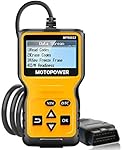
Using a diagnostic scanner to retrieve trouble codes from the vehicle's onboard computer is another effective method for identifying transmission problems.
These codes provide valuable information about specific issues that may be affecting the transmission. A professional mechanic can analyze these codes to determine the correct course of action.
Test Driving and Monitoring Performance
Test driving the Tiguan and closely monitoring its performance can help diagnose transmission problems. Paying attention to any unusual noises, vibrations, or abnormal behavior during acceleration, deceleration, or gear shifts can provide valuable clues about the underlying transmission issues.
Examining the Underlying Factors Leading to Transmission Issues in Tiguan

A) Fluid Leaks or Contamination
Fluid leaks or contamination can occur due to damaged seals or gaskets, leading to a loss of fluid or the introduction of foreign substances into the transmission system. These issues can result in reduced lubrication, overheating, and potential damage to various components.
B) Faulty Solenoids or Sensors
Solenoids and sensors play a crucial role in the proper functioning of the automatic transmission system. If these components become faulty or malfunction, it can disrupt the transmission's operation, leading to shifting problems, loss of power, or other transmission-related issues.
Shop From Amazon


C) Mechanical Failures in Clutch or Torque Converter
Mechanical failures in the clutch or torque converter can also contribute to transmission problems in Tiguan models. Worn-out clutches or damaged torque converters can result in slipping, jerking, or loss of power.
These mechanical failures often require professional attention and potential replacement of the affected components. Remember, addressing transmission problems promptly can save you from costly repairs and ensure a longer lifespan for your Volkswagen Tiguan.
If you experience any of the common transmission issues mentioned above, it's advisable to consult a qualified mechanic for proper diagnosis and repair.
Effective Strategies and Solutions to Address Volkswagen Tiguan Automatic Transmission Problems

Transmission Fluid Flush and Filter Replacement
One common solution for Volkswagen Tiguan automatic transmission problems is to perform a transmission fluid flush and replace the filter.
Over time, the transmission fluid can become contaminated or deteriorated, leading to poor shifting and other issues. By flushing out the old fluid and installing new fluid along with replacing the filter, you can help restore proper transmission function.
Solenoid or Sensor Repair or Replacement
Another solution is to address any faulty solenoids or sensors in the transmission system. These components play a crucial role in controlling the transmission's shifting patterns.
If a solenoid or sensor malfunctions, it can cause erratic shifting or even prevent the transmission from shifting at all. By repairing or replacing these components, you can help resolve transmission problems and improve overall performance.
Clutch or Torque Converter Repair
In some cases, issues with the clutch or torque converter may be the root cause of Volkswagen Tiguan automatic transmission problems.
The clutch is responsible for engaging and disengaging gears, while the torque converter transfers power from the engine to the transmission.
If either of these components is worn or damaged, it can result in slipping gears, loss of power, or other transmission-related issues. Repairing or replacing the clutch or torque converter can help alleviate these problems.
Proactive Measures and Regular Maintenance to Prevent Transmission Problems in Tiguan
To prevent transmission problems in your Volkswagen Tiguan, it's important to establish a regular maintenance routine. Regularly checking the transmission fluid level and condition is crucial.
Low or contaminated fluid can lead to poor performance and even damage the transmission. Apart from that, your driving habits can also have an impact on the longevity of your Tiguan's automatic transmission.
Avoid excessive rapid acceleration or aggressive shifting, as this can put unnecessary strain on the transmission. Additionally, come to a complete stop before shifting into reverse or drive and avoid shifting into park while the vehicle is still in motion.
Finally, regularly inspecting the transmission components can help identify potential issues before they become major problems.
Check for signs of fluid leaks, unusual noises, or difficulty in shifting gears. If you notice anything unusual, it's best to have it inspected by a professional technician. Catching and addressing transmission problems early can save you from costly repairs down the road.

Nick Marchenko, PhD
Industrial Engineer & Automotive Content Specialist
Nick writes in-depth guides on car clubs, engine specs, vehicle ownership, and modifications, combining engineering knowledge with automotive passion.
Full profile → LinkedIn →You May Also Like
Rejuvenating Performance: An Overview of Volkswagen Tiguan Throttle Body Cleaning
2 years agoIs the performance of your Volkswagen Tiguan not up to par? The throttle body is one important but sometimes disregarded part that can have an impact on how well it performs. Carbon deposits can bu...
How to unlock Volkswagen Tiguan without keys?
3 years agoImagine this scenario: You find yourself in a frantic rush, with a thousand thoughts buzzing in your mind, and then it happens - you unintentionally lock your precious keys inside your trusty Volkswag...
Here Are The 5 Volkswagen Tiguan Years to Avoid
3 years agoAre you considering buying a Volkswagen Tiguan? While it may seem like a reliable choice, there are certain years you should avoid. From engine issues to problems with the electrical system, the Tigua...
Fixing The Volkswagen Tiguan Brake Light Fail - DIY Guide
2 years agoWhen facing a brake light failure in your Volkswagen Tiguan, it's essential to approach the problem methodically. This guide will walk you through the steps to diagnose and fix the issue, potentia...
Volkswagen Tiguan VIN Decoder - Find The Information From Your VIN Free And Easy
2 years agoEvery Volkswagen Tiguan is assigned a unique identifier known as a Vehicle Identification Number, or VIN. This alphanumeric sequence is rich with essential information about the vehicle, encompassing...