Disclaimer: Not affiliated with or endorsed by Volkswagen Motor Company. For informational purposes only. Full Disclaimer
VW Passat AC Compressor Not Turning On - Troubleshooting Guide
Updated:
When AC compressors have problems, it's usually due to electrical issues. Here are some common problems with electricity that can prevent the compressor from turning on.
-
Broken fuse or broken switch
Just like when you were a kid hoping for a day off because of snow, a blown fuse can stop everything from working. Likewise, if the relay is not working properly, then the power may not reach the AC compressor, which can make you feel hot and uncomfortable in your car. -
Problems with the wires or connections that are not tight
In electrical circuits, loose connections are like a friend who always cancels plans at the last minute. They stop things from working well. Issues with the wiring or connections being loose can interrupt the flow of electricity to the AC compressor. -
Broken pressure switches
Pressure switches monitor the pressure in the AC system and ensure everything works properly. However, when they are not functioning correctly, they can prevent the compressor from starting, leaving you without cool air.
Problems with machines or equipment

Sometimes, the issue with the AC compressor is due to mechanical problems. Here are some common car problems that can ruin your plans for a fun drive:
-
The AC compressor clutch isn't working
The AC compressor clutch is like the conductor of the air conditioning system. It turns the compressor on and off as necessary. When something doesn't work, it's like the person leading the music is gone, and the music is silent. You won't get any cold air. -
Refrigerant lines that are blocked or broken
Think about trying to drink a milkshake through a flat straw. It would be annoying, and you wouldn't get any satisfaction from the milkshake. Similarly, if the pipes that carry the cool air get blocked or broken, the AC won't produce cold air. -
Broken compressor bearings
Compressor bearings are like the unsung heroes of the AC system. They ensure everything runs smoothly. However, if these bearings become old or broken, they can create a loud and unpleasant noise. Additionally, they can eventually cause the compressor to stop working, leaving you without cool air.
Steps to Fix a Broken AC Compressor

Now that you know why your VW Passat's AC compressor isn't working, it's time to start fixing it.
Initial Inspections
Before repairing the compressor, ensure there are no other issues with the AC system. Check that the blower motor and cabin air filter are functioning properly.
Also, listen for any strange sounds or shaking coming from the compressor. Being quiet isn't always the best thing in this situation. Inspect wires and check if the small safety devices in a device or machine are in working condition.
Begin by checking the fuses and relays connected to the AC system. A blown fuse can be easily replaced, but a faulty relay might require some extra work to locate and fix the problem.
Also, check the wires for any signs of damage or rust. Don't forget that loose connections are problematic, so ensure they are tightened if necessary.
Testing if the AC Compressor Clutch Works

Use a reliable tool called a multimeter to determine if the AC compressor clutch coil has a continuous connection. If it's not receiving electricity, it might need to be replaced. Also, check the gap between the clutch plate and the compressor pulley. Adjusting this space might resolve any issues with the clutch.
Assessing the Pressure Switches and Sensors
Use your multimeter to test the high and low-pressure switches to ensure they are functioning properly. These switches maintain the safety of your AC system by preventing it from operating in dangerous conditions.
Shop From Amazon
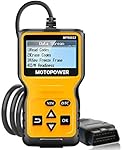


Make sure they are performing their job correctly. Additionally, verify if the temperature sensor is operating correctly. It's similar to the thermostat for your air conditioner. If it's not functioning properly, you won't be as comfortable.
Checking the Air Conditioning System for Leaks and Refrigerant Levels
Inspect the refrigerant lines and components for leaks or damage. Leaks can harm your AC system by causing a loss of refrigerant, which reduces cooling effectiveness.
Also, make sure to check the refrigerant level using pressure gauges or electronic tools. Insufficient refrigerant can cause the AC compressor to malfunction.
Frequently Asked Questions

A) Why isn't my VW Passat's air conditioning compressor turning on?
There are many reasons why the AC compressor in your VW Passat might not be turning on. Some common reasons for car air conditioning not working are problems with the electrical system like blown fuses or faulty relays and problems with the mechanical parts like a broken compressor or blocked refrigerant lines. This guide will help you identify and resolve these issues.
B) Can I repair the AC compressor problem by myself?
Some problems with the AC compressor can be fixed by yourself, but it depends on the complexity of the problem. This guide is here to assist Passat owners in identifying and possibly resolving issues with their cars.
If you're unsure how to fix it or if it's a significant problem, it's best to seek help from a certified technician. If the steps in this guide don't resolve the issue with your VW Passat's AC compressor, it's advisable to consult a professional.
Qualified technicians have the expertise and specialized tools to diagnose and address challenging air conditioning problems. They can provide a better understanding of the situation and recommend the appropriate course of action.
C) How can I prevent my VW Passat's AC compressor from experiencing future problems?
To reduce the risk of issues with your VW Passat's AC compressor, it's important to ensure you take good care of it and have it regularly inspected.
This involves keeping the AC system clean, replacing filters as needed, ensuring an adequate refrigerant supply, and promptly addressing any electrical or mechanical problems that arise.

Nick Marchenko, PhD
Industrial Engineer & Automotive Content Specialist
Nick writes in-depth guides on car clubs, engine specs, vehicle ownership, and modifications, combining engineering knowledge with automotive passion.
Full profile → LinkedIn →You May Also Like
Smooth Function: How to Bleed the Clutch on Your VW Passat
2 years agoThe smooth-shifting of gears in your VW Passat, which is known for its performance and accuracy, depends on a clutch system that is operating properly. The effectiveness and responsiveness of the c...
1.9 TDI Engine Problems - Causes, Consequences, Solutions
2 years agoThe 1.9 TDI (Series EA188) is a legend among modern diesel engines. Its history dates back to 1991, when it made its debut in the Audi 80 and began its use in the third Golf generation from 1993 onwar...
How to unlock Volkswagen Passat without keys?
3 years agoRev up your engines, my friends! Imagine this: You're hustling, juggling a million things in your head, and bam! You go and absentmindedly lock your keys inside your Volkswagen Passat. Talk about...
Volkswagen Passat Typical Problems
2 years agoThe VW Passat B7 (3C) is a midsize sedan produced from 2010 to 2015, closely related to the VW Golf VI in terms of technology. In addition to the sedan version, the B7 was also offered as a wagon (Var...
Volkswagen Passat Common Problems - What To Know Before Buying
2 years agoThe VW Passat B6 (3C) is a midsize sedan produced from 2004 to 2010, closely related to the VW Golf V in terms of technology. There was no facelift for the B6 since it was replaced by the successor (B...
Volkswagen Passat Brake Lights Not Working - How To Diagnose And Fix
2 years agoFixing a Volkswagen Passat's brake light failure can seem daunting, but with the right guidance, it's a manageable DIY project. This guide combines insights from various discussions to provide...