Disclaimer: Not affiliated with or endorsed by Toyota Motor Company. For informational purposes only. Full Disclaimer
What Does p0420 Code Toyota Tundra Mean?
Updated:
Firstly, if your trusty Toyota Tundra flashes the p0420 code, it could be hinting at a hiccup with the catalytic converter. This code detection is typically the truck's PCM giving you a nudge to check the catalytic converter. Exciting, isn't it?
For those not in the know, catalytic converters are a bit like nature's cleaners. They sweep away the harmful pollutants from exhaust pipes, ensuring that the junk from combustion gets cleaned up. Spotting the p0420 doesn't mean your Tundra's turned rogue on you. However, it's a friendly reminder to address the issue sooner rather than later.
Decoding the p0420 Mystery for Toyota Tundra
Let's break it down, shall we? The p0420 code essentially translates to: catalytic system efficiency below par.
Within the realms of the Toyota Tundra, this is a universal OBD II code, spotlighting a potential glitch in its catalytic converter. This trusty component acts as a shield, transforming those naughty toxic gases into more environmentally-friendly versions. If it throws a wobbly, that's when you'll see the code.
Diving Deeper into the Code
- P? That stands for PowerTrain, touching on the Engine and Transmission aspects.
- 0 is a nod to it being Generic.
- 4? That's all about emission control.
- And 20? Well, that's hinting at a hiccup with the catalytic converter's efficiency.
Plotting the Possible Culprits for the p0420 in a Toyota Tundra
Time to play detective and suss out the potential reasons behind the p0420 in the Toyota Tundra.
The Classic Catalytic Converter Conundrum

We're no strangers to the idea that issues with the catalytic converter often sit at the heart of the p0420 code. Over the years, these converters can get a bit weary, potentially dropping in efficiency.
Oh, Those Oxygen Sensors!
Your Toyota Tundra is equipped with oxygen sensors, both upstream and downstream. Their job? Keeping tabs on exhaust gases and how efficient the catalytic converter is. If one's throwing a tantrum, it could be the culprit behind the p0420 code.

The Tricky Exhaust System Leaks
Every so often, a sneaky leak in the exhaust system can mislead our trusty oxygen sensors, potentially leading to that pesky code.
MAF Sensor Mischief
MAF, or mass air flow sensors for the uninitiated, gauge the engine air coming in. A blip with this sensor might create a ripple effect, tinkering with the fuel and air mix, which could then play havoc with the catalytic converter's efficiency.

The Rare PCM/ECU Software Snag
It's a rarity, but just occasionally, the p0420 code could be the result of a software glitch within the PCM module or the engine control unit. Bit of a curveball, that one!
Telltale Signs of Toyota Tundra P0420 Trouble Code
- First up, the flashing check engine light on the dashboard. A clear nudge something's amiss with the Tundra's diagnostics.
- Once this pesky code's activated, it'll point its finger at the misbehaving catalytic converter, which might just guzzle up more fuel than usual.
- Feel like your Tundra's suddenly gotten a bit lazy? A dip in engine responsiveness could be the culprit.
- On rare occasions, the engine might throw a little tantrum and stall, hinting at air/fuel mixture issues.
- If emissions tests were school exams, a faulty catalytic converter would see your Tundra lagging behind.
- And, should you hear any unexpected rattles, that's worth a look too.
Mending the P0420 Woes of the Toyota Tundra

Now, if there's a hiccup in the Tundra's catalytic system, you'll want to mend that before it spirals. So, how do we get this show back on the road?
Swap Out the Catalytic Converter
Imagine you've got a wonky tool in your shed. First instinct? Get a new one! That's the game plan with a moody catalytic converter.
If your Tundra flashes the P0420 warning, consider replacing its catalytic converter. There are top-shelf options available, but it's crucial the new one's up to Toyota Tundra emission standards.
Shop From Amazon


Patch Up Exhaust System Leaks
At times, it's the exhaust system playing tricks, setting off the alarm. If that's your saga, best to mend or swap any gaskets or pipes to restore harmony.
Fine-Tune the Fuel System
Now, don't overlook potential fuel injector snags or those pressure regulator gremlins. A precise air-fuel concoction will see things right.
Price Tag for Tackling P0420?
There's no fixed rate card for P0420 fixes. But, ball-parking it, a new catalytic converter could set you back $500 to $1500.
Eyeing a new oxygen sensor? Budget somewhere between $150 to $300, plus a bit extra for diagnostics.
Shop From Amazon
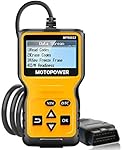


Dare to Drive a Toyota Tundra with the PO420 Alert?
Should you absolutely need to hit the road in your Tundra with a P0420 alert? Sure, for a short stint. But, it's not the best idea for the long haul.
Frequently Asked Queries
How often to check on the oxygen sensors?
Generally, they're troopers for 60,000 to 100,000 miles. But a regular check-up? Never a bad shout.
How to tell if my exhaust's leaking post-code?
A couple of tell-tales: the unmistakable sound of rattles and the whiff of potent fumes.
Ever thought of fitting an aftermarket catalytic converter?
Possible? Absolutely. Just ensure it's in sync with your Toyota Tundra's emission guidelines.

Nick Marchenko, PhD
Industrial Engineer & Automotive Content Specialist
Nick writes in-depth guides on car clubs, engine specs, vehicle ownership, and modifications, combining engineering knowledge with automotive passion.
Full profile → LinkedIn →You May Also Like
How To Protect Toyota Tundra’s Catalytic Converter From Being Stolen?
2 years agoThe catalyst, or as some of us car buffs call it, the catalytic converter, is a key player in the Toyota Tundra's exhaust system. Its main gig? Making those exhaust gasses a tad friendlier for our...
Finding the Ideal Match: What Size Camper Can a Toyota Tundra Tow?
2 years agoMany outdoor enthusiasts fantasize about going on a camping trip while towing a camper. If you're the proud owner of a Toyota Tundra, you're already one step closer to making that dream a real...
How To Apply Ceramic Coating To Toyota Tundra?
2 years agoAlright, folks, every Toyota Tundra owner—yeah, I'm talking to you—wants their rig always sparkling and shining like it's day one on the road. But let's face it, life doesn&rsq...
Tundra 4.7 Firing Order
2 years agoThe firing order of an engine is a critical aspect of its operation, ensuring that the combustion process occurs in a specific sequence, resulting in smooth and efficient power generation. The firi...
How To Choose Tires For Toyota Tundra
2 years agoTires, man, they're like those comfy sneakers you wear. You wouldn't cheap out on shoes, right? When you go cheap on shoes, your feet start hurting, and they wear out real fast. The same philo...
How To Find A Coolant Leak In Toyota Tundra - You Don't Need A Pressure Tester
2 years agoSo, here's the thing: The coolant is like the lifeblood for your Toyota Tundra's engine. It's like Joey's Dr. Drake Ramoray needing his scripts. The coolant zips through, making sure e...