Disclaimer: Not affiliated with or endorsed by Toyota Motor Company. For informational purposes only. Full Disclaimer
How To Prepare Toyota Tundra For Towing
Updated:
Your Toyota Tundra is built for robust tasks. It is designed not just for moving people or hauling groceries, but also for towing substantial loads, whether it's a boat or another vehicle.
While it may appear straightforward, towing is an intense task for your Toyota Tundra and a significant responsibility for you as a driver.
Thus, it's critical to adequately prepare your Tundra for towing by installing the necessary equipment and ensuring that it is in top condition. Your comfort and the safety of everyone on the road depend on it.
Key Takeaways
- The Toyota Tundra's towing capability varies based on engine size, transmission type, vehicle dimensions and weight, drive type, as well as its structure and design.
- Proper preparation of both the Toyota Tundra and the load being towed is crucial, which includes checking and adjusting equipment, visibility, brakes, engine status, fuel levels, and packing emergency kits.
- Adhering to specific guidelines and precautions is necessary depending on the load, ensuring the weight is within the Tundra’s towing limits and selecting the right towing equipment.
- Extra care is necessary when towing vehicles with different transmissions. For instance, vehicles with automatic transmissions may require a tow dolly or trailer to prevent damage to the transmission.
What is towing?
Towing involves pulling a trailer, boat, or another vehicle using a Toyota Tundra.
To tow, you must connect the Tundra to the towed object with a hitch or coupling device.
What weight can a Toyota Tundra tow?

Almost every Toyota Tundra is engineered with towing in mind, with variances in how much it can safely tow and carry.
The towing capacity of a Toyota Tundra is influenced by factors such as:
Engine Capacity
The Tundra's towing power depends on its engine power and torque. The more potent the engine, the greater its ability to tow heavier loads.
Transmission Type
Whether manual or automatic, the type of transmission can affect the Toyota Tundra's towing capacity. Automatic transmissions often provide better towing capabilities due to their design.
Size and Weight
Larger and heavier Tundra models generally have higher towing capacities. Vehicles with a robust body-on-frame construction are better suited for towing heavy loads.
Drive Type
The type of drive system, such as FWD, RWD, or AWD, can impact towing capacity. RWD and AWD are preferred for towing due to their power distribution.
Structure and Design
The strength of the Toyota Tundra's frame, suspension, and brakes play a significant role in its towing capabilities. Models with reinforced suspension and brake systems can handle towing stress more effectively.
How do you prepare a Toyota Tundra for towing?
Before embarking on a towing task, your Toyota Tundra requires proper preparation just like an athlete before a marathon.
Safe towing practices are essential regardless of the load. Whether you're towing a trailer or another vehicle, certain nuances must be considered to ensure a smooth operation.
Towing a trailer with a Toyota Tundra
Towing a trailer with a Toyota Tundra involves several important factors that should be considered to ensure safe and comfortable transportation.
Know your Toyota Tundra's limitations
Each Toyota Tundra model year or trim has its limits regarding maximum towing capacity - this should not be exceeded. Factors like vehicle power, body capacity, and suspension structure are critical. Toyota specifies these limits for safety reasons.
Exceeding the recommended capacity can be dangerous and lead to:
- Component failure or breakdown of the Toyota Tundra;
- Loss of control and stability;
- Inadequate braking power;
- Potential accidents and injuries.
Before towing, calculate the combined weight of your trailer and load, then compare that to your Toyota Tundra's capabilities. You can find your vehicle's towing capacity here.
Ensure your towing equipment is operational

To safely tow trailers, your vehicle needs the right equipment:
Equipment checklist:
- Towing Hitch. This is a secure connection on the rear of a vehicle that attaches to a trailer for safe towing.
- Trailer Brake Controller. A device in the towing vehicle's cabin allowing the driver to control the trailer's brakes, enhancing safety and maneuverability.
- Towing chain. This secures the tow hitch to ensure the trailer remains attached to the vehicle.
All equipment must be in good condition, without wear and tear.
Shop From Amazon


Adjust and inspect mirrors
Your mirrors must provide a clear view of the rear. Ensure they're correctly adjusted and functional. Special towing mirrors are recommended for a wider view.
Inspect brakes thoroughly

Brakes are critical, especially when towing. They need to be able to handle the additional load. Check:
- Pad condition;
- Rotor and/or drum condition;
- Brake fluid status.
Shop From Amazon


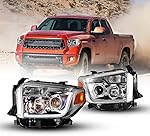
Verify headlight functionality
Good visibility is crucial. Your headlights must be bright for safety during day and night.
Shop From Amazon


Check tail light operation
Shop From Amazon


It's also important that other drivers can see you. Ensure your parking lights, brake lights, and signals are working properly.
Assess engine condition
The engine faces increased demands while towing. Check for smooth operation and absence of unusual noises or signs of malfunction. Prior to towing, service the engine:
- Change oil and filter;
- Check coolant levels and condition;
- Inspect spark plugs; / glow plugs for diesel engines.
Examine suspension integrity
The suspension bears a significant part of the towing load and is subject to wear. A thorough inspection and servicing are necessary to prevent accidents due to suspension failure.
Inspect the gearbox
Towing adds strain to the gearbox of your Toyota Tundra - it's prone to heating up and potential failure under heavy loads. To prevent this, avoid overloading and check the gearbox lubricant's condition, replacing it if necessary.
Fill up with more fuel
With the extra load from towing, your Toyota Tundra will consume more fuel. Expect an increase in fuel consumption by 10-20% based on the weight being towed. Therefore, fill the tank accordingly, plan for refueling stops, and carry extra fuel canisters if needed.
Keep a Toolkit in the Car
A toolkit with essential items like wrenches, pliers, and screwdrivers is crucial for any unexpected situations while towing. Include any specialized tools you might need for your towing equipment as well.
Shop From Amazon


A First Aid Kit in the Car is Mandatory
When preparing for towing, prioritize safety. A stocked first aid kit with bandages, antiseptic wipes, and pain relievers is essential for handling any accidents or injuries that may occur.
Shop From Amazon


Securely Fix Cargo on a Carriage or Open Platform
Ensure all cargo on a carriage or open platform is secured with cables or straps to prevent shifting or sliding during transit. Proper loading and securing methods are vital for the safety of your vehicle and others on the road.
Check the technical condition of the trailer

The condition of the trailer is just as important as that of the Toyota Tundra when it comes to towing safety.
Here's a checklist to go through before a long journey:
- Check the trailer brakes. Avoid using trailers without their own braking systems. The Toyota Tundra may need support in handling the combined weight of the vehicle and trailer.
The braking system on the trailer, which can be connected to the Tundra's brakes or electronically controlled, should be inspected to ensure it functions correctly.
- Inspect the Trailer Suspension. Assess the trailer's suspension for signs of damage, wear, or corrosion. Ensure all components are secure and aligned for stable towing.
Address any issues immediately to avoid complications during your trip.
- Verify Trailer Lights. Functional trailer lights are crucial for safety and legal compliance. Check all lights, including brake lights, turn signals, and tail lights, and maintain all electrical connections.
Regular maintenance of trailer lights is key to communicating effectively with other drivers while towing.
- Examine the Trailer Hitch. Inspect the trailer hitch and its attachment to your Toyota Tundra for wear or damage. Ensure all connections are secure and lubricate moving parts to reduce wear.
Maintaining the hitch is essential for safe towing and preventing the trailer from detaching while on the road.
Towing a Car

When towing a car with your Toyota Tundra, it's important to adhere to the same principles mentioned earlier. Additionally, there are considerations specific to vehicle transportation that are crucial for your safety.
It's vital to ensure the vehicle you're towing doesn't exceed your Tundra's towing capacity. Check your Tundra's manual for the maximum towing capacity to avoid compromising control, braking, and transmission integrity.
Factor in the weight, dimensions, cargo, and passenger count of both your Tundra and the car being towed for a successful trip.
Choose how to tow your car
There are three primary methods to tow another car:
- Using a tow strap;
- Using a tow bar;
- On a trailer;
Using a tow strap

Towing with a tow strap requires the towed car to have functional brakes and a person in the driver's seat to manage braking and steering. This person must be alert and responsible for the towed vehicle's control.
Using a tow bar
With a tow bar, the towed car is securely attached to your Tundra, allowing both vehicles to move in tandem. No driver is needed in the towed car, but the Tundra will have to brake for both vehicles, increasing the demand on its brakes.
On a trailer
The towed car is secured on a trailer, which is then connected to the Tundra. Include both the weight of the towed car and the trailer when calculating your Tundra's towing capacity.
Transmission type of the towed vehicle
Identify the type of transmission in the vehicle you'll tow. For manual transmissions, shift to neutral. Automatic transmissions should be towed with a tow dolly or on a trailer.
The tow dolly is suitable for lifting the driving wheels off the ground, necessary for automatic vehicles to prevent transmission damage.
Remember that tow dollies are not recommended for four-wheel drive vehicles or front-wheel drive vehicles heavier than 3450 lbs. If a carriage isn't an option and you must tow an automatic car, disconnect the driveshaft to prevent transmission movement during towing.
Additional equipment that you may need when towing with a Toyota Tundra
We've covered the essentials for towing with your Tundra, but if you're looking to enhance your setup and protect your truck, consider these modifications:
Weight-Distributing Hitch
A weight-distributing hitch is crucial for balancing the load between your Tundra and the trailer. It alleviates strain on the rear axle, improving stability and steering.
This device is a game-changer, especially for heavier loads, ensuring a smoother towing experience by maintaining balance and stability.
Towing Mirrors
Extended mirrors widen your field of vision, reducing blind spots and enhancing overall safety when towing.
They're vital for keeping an eye on traffic and the trailer, especially when it may block your regular mirror view.
Suspension Air Bags
Suspension airbags provide additional support and stability to your Tundra's suspension, helping stabilize the truck when towing heavy loads.
They maintain proper vehicle alignment and comfort, preventing sagging and reducing suspension wear.
Transmission Cooler
A transmission cooler is vital for managing the transmission fluid's temperature in your Tundra, protecting it from overheating during towing or heavy use.
It's essential for the longevity of your transmission, ensuring smooth gear shifts and reliability.
Rearview Cameras

Rearview cameras are indispensable when towing, aiding in maneuvering in tight spots, reversing confidently, and avoiding obstacles.
They significantly reduce blind spots, facilitating easier trailer hitching and precision parking.
Roof Rails
Roof rails augment your Tundra's cargo capacity, allowing for secure transport of items like sports equipment or extra gear without compromising interior space.
They are an excellent addition for travel, outdoor activities, or when you need to carry additional equipment.
Shop From Amazon


To Wrap Everything Up
Proper preparation is key to a safe and efficient towing experience with your Toyota Tundra. Ensuring both the vehicle and trailer are in good condition, understanding load capacities, and equipping the right accessories will set you up for success.
Remember, a well-equipped towing setup not only improves safety but also extends the life of your truck and trailer, making towing a reliable choice for transporting cargo or embarking on adventures.

Nick Marchenko, PhD
Industrial Engineer & Automotive Content Specialist
Nick writes in-depth guides on car clubs, engine specs, vehicle ownership, and modifications, combining engineering knowledge with automotive passion.
Full profile → LinkedIn →You May Also Like
How To Choose the Best Light Bulbs For Toyota Tundra? Complete Guide
2 years agoAutomotive light bulbs within Toyota Tundra’s headlights illuminate the road at any hour and in any weather, serving a vital role in vehicular safety. But all things have a lifespan, and even...
How To Sell Your Junk Toyota Tundra?
2 years agoWith the right attention, your Toyota Tundra can be a reliable partner on the road for countless adventures. However, it's important to recognize that even the toughest trucks have their limits....
How To Change the Coolant in Toyota Tundra?
2 years agoJust like a pit stop in a day-long desert race, topping off and swapping out fluids is all part of the routine for every Toyota Tundra enthusiast. But how often do you ponder the coolant? That's t...
A Comprehensive Guide on Charging a Dead Battery in Your Toyota Tundra
2 years agoFirst of all, Everyone has experienced this: getting into their Toyota Tundra, turning the key, and nothing happens. Your plans may be thrown off by a dead battery, but do not panic! Charging a dea...
How To Tint Windows of the Toyota Tundra?
2 years agoToyota Tundra window tinting is more than just an aesthetic improvement; it's a practical choice with multiple benefits. It keeps the Tundra cooler on hot days by reducing heat entry into the cabi...
Toyota Tundra Brake Light Is Not Working - How To Fix
2 years agoAre you facing a brake light issue with your Toyota Tundra? Don't worry, I've got you covered with a DIY guide to diagnose and fix the problem, inspired by the experiences and wisdom of season...