Disclaimer: Not affiliated with or endorsed by Toyota Motor Company. For informational purposes only. Full Disclaimer
How To Keep Toyota Tundra In Good Condition
Updated:
The Toyota Tundra was not created only for transportation. It also has many features designed to provide comfort while traveling from point A to point B or transporting baggage or heavy loads.
If you want your Toyota Tundra to serve longer, it is necessary to take care of it by inspecting the components and doing regular maintenance.
This article contains tips for looking after your Toyota Tundra and extending its lifespan. Following them will assure you that every trip will bring you joy and comfort.
Engine Setup
A Tundra's engine is a vehicle's heart; you largely depend on its performance. It is important to open the hood occasionally to check if the engine and its components are fine and working as they should.
Regularly Change Filters in Toyota Tundra

Filters play an important role in the smooth operation of the engine. As the name implies, they filter what gets inside the motor, preventing contamination from entering.
Over time, the filters become clogged, so they need to be replaced.
Therefore, replace the filters according to the recommended Toyota Tundra maintenance schedule for the correct engine operation.
As a general rule of thumb, you may also consider the following tips:
- Air filter - once a year or 12 thousand miles;
- Oil filter - with each oil change;
- Fuel filter - once every 12-15 thousand miles.
Shop From Amazon


Don't forget about spark plugs
Toyota Tundra's spark plugs are responsible for burning the fuel-air mixture in the engine cylinders. When they wear out, the engine begins to work unevenly, the truck accelerates poorly, and fuel consumption increases.
Therefore, if you notice that the engine doesn't work as it should, try to check the spark plugs. If there is soot or dirt on them, they are likely already out of order, and it is time to replace them.

Usually, the spark plug replacement interval is 80-100 thousand miles.
It is recommended to replace the high-voltage wires with spark plugs - their malfunction can also lead to the symptoms listed above.
Shop From Amazon


Keep an eye on the overall condition of your Toyota Tundra's engine
The engine is a complex mechanism. It has thousands of elements that must work flawlessly to ensure the reliability and durability of the power unit.
Therefore, if even some small or seemingly insignificant part fails, it can lead to unstable operation or engine failure. Therefore, you need to constantly monitor the condition of your Toyota Tundra's engine and take measures in case of any. Here are some signs that something is wrong with the engine:
- Strange sounds during engine operation - knocking, whistling, howling, unstable operation may indicate that something is wrong with the engine;
- A visual inspection of the engine can help diagnose many malfunctions, such as a crack, leaking oil and/or antifreeze, and loose fasteners, all of which require a quick fix to prevent future problems;
- Smoke. If smoke began to pour from the exhaust system, this may indicate a major engine malfunction. If the smoke is thick and white, this is a sign that the oil is burning, which can also mean general issues with the engine. If, on the contrary, the smoke is black - the fuel-air mixture is too rich, and too much fuel is burned.
- Unstable engine operation, jerks during acceleration, poor acceleration - all signs that something is wrong with the engine.
If you notice at least one of these signs, we advise you not to waste time but to find the cause of the engine malfunction as soon as possible. A small problem can be fixed easily, but if ignored for a long time, it will lead to a more expensive and difficult repair.
Pay Extra Attention to the Timing System

Your Toyota Tundra's engine might run on a belt or a chain within the gas distribution system. A clever thing, really.
It makes sure the valves are opening and closing, and even starts the pump. As it wears out, its strength isn't quite what it used to be. Rather like some of us, eh?
The chain stretches, the belt cracks, and poof! - it can break, causing all sorts of mischief with the valves and pistons. So, don't forget to check the timing drive on your Tundra:
- Belt - gallivanting for about 60-100 thousand miles;
- Chain - handles 200-250 thousand miles without breaking a sweat.
Fluids
Fluids in the Toyota Tundra are like the cuppa tea in your morning routine - absolutely essential.
Engine oil, coolant, brake fluid, washer fluid, and fuel - they all keep things running smoothly.
Regularly Check Your Toyota Tundra's Oil Level
The engine oil's the lubricant of the motor's busy bits. Stops them getting too hot and bothered. So, keep an eye on it.
Checking Your Tundra's Engine Motor Oil - A Guide
- Check the engine when it's as cool as a cucumber, not straight after a sprint. Let it cool for a bit so it doesn't spit hot oil in your face;
- Look for the oil dipstick - it's usually not playing hide and seek;
- Wipe the dipstick and check it twice. No one wants too much or too little oil, right in the Goldilocks zone, please;
- The oil's supposed to turn black, but watch for nasty bits like shavings. It might mean a trip to the doctor (the mechanic, not an actual doctor).
Remember to treat your Toyota Tundra to a regular oil change. Pick the oil with the recommended viscosity, and she'll purr.
Shop From Amazon


Check Your Toyota Tundra's Coolant Level

Now, antifreeze, that's an important chappie. It keeps your engine from overheating. Wouldn't want it to blow a gasket, would we?
Checking Your Tundra's Coolant Level - It's Easier Than You Think
- Check the coolant when the engine's cool, like after a nice long rest;
- Find that expansion tank under the bonnet. You're looking for a colorful liquid (not a rainbow, just antifreeze);
- Inspect the amount and the condition - it's got to be just right;
- If the liquid's dirty or cloudy, it's time for a change. It's like milk, really; you don't want it going off.
Shop From Amazon


Often check Toyota Tundra's brake fluid level
Brake fluid is one of the key elements of road safety - it's what stands between you and a very close relationship with the car in front of you.
Therefore, it is necessary to monitor the condition of your brake fluid in the Tundra: it should not be cloudy or dirty, and it should be in sufficient quantity. Right, easy enough!
The brake fluid is in a special tank under the hood - not far from the master brake cylinder. Changing the brake fluid at least once every two years is necessary. This isn't just a suggestion; it's a must!
Check your washer fluid level
Unlike other liquids, the Toyota Tundra's windshield washer fluid level in the tank isn't mission-critical, but let's face it, you'll want to see where you're going, especially if there's mud involved.
Therefore, have a gander at how much washer fluid is left in the tank. It's under the hood, in the reservoir marked with the windshield washer icon. The liquid level is monitored visually - enough of it should be easily seen. If necessary, add liquid to the tank. But remember, no ordinary water, unless you fancy a frozen mess.
Shop From Amazon


Use the fuel recommended by Toyota
Alright, here's where it matters: fuel. Using the octane number recommended by Toyota is not just important, it's vital for your Tundra. Get it wrong, and you'll find yourself with a loss of power and a truck that drives like it's been on a heavy night out.
Fill in the fuel that is advised in the user manual - in addition, the recommended type of fuel is often duplicated on the gas tank cap - that way, even I can't mess it up!
Shop From Amazon


Exterior Setup
Proper and correct care of the Toyota Tundra's exterior is an important aspect that should be remembered. If you follow certain rules, you won't only look good, but you'll feel good driving it!
Always maintain your Toyota Tundra's headlights

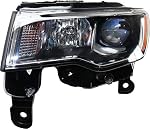
Headlights, the eyes of your Tundra in the dark. They should shine brightly and without any dark spots. Foggy? Polish them up. Burnt out? Time to replace them. Simple!
Shop From Amazon

![ACANII - For [HID/Xenon Model Only] 2014-2018 Jeep Cherokee Projector Headlight Headlamp Replacement Passenger Side](https://m.media-amazon.com/images/I/41+vdGbHSXL._AC_UL150_.jpg)
Replace Toyota Tundra windshield wipers
Toyota Tundra wipers are crucial. When the heavens open, you'll want them in top shape!
Shop From Amazon


After some time, those wipers will wear out, leaving streaks. Don't wait, replace them. Keep that view clear!
Watch out for corrosion on Toyota Tundra's body

Unfortunately, even the mighty Tundra can't beat rust on its own. Regular inspections for rust spots and a bit of care and paint where needed will keep your Tundra looking fresh. It's metal after all, and without care, metal turns into a pile of red dust. Not exactly what you want from your robust truck, is it?
Depending on the climate, be it humid or cold, you might need to check more or less often. Your Tundra deserves that love, and it'll repay you with years of rugged service.
Suspension Setup
The Toyota Tundra's suspension was crafted like an artist painting a landscape. It's there to eat up bumps and ruts while providing you, the driver, with the comfort of a first-class lounge.
Keep an eye on the state of your suspension - it should flow like a river, conquering every obstacle with a gentle touch. No noises, no complaints - the suspension should be as silent as the night.
Your Tundra shouldn't act like a bouncy castle on potholes; it should charge forward in a straight line, and cornering shouldn't feel like a roller coaster ride: it should be smooth as silk.
If you begin to notice any of the mentioned symptoms, get in touch with a mechanic or, if you're a hands-on person, tackle the problem yourself. Suspension malfunctions are not a game; they can be quite the menace, especially when you're driving like the wind.
Brakes
Brakes, the anchors of the Tundra. They must be ready to haul this leviathan to a stop at a moment's notice. Keep an eye on them - they should be in tip-top shape.
Brake pads
No scrimping on your Tundra's brake pads. Your life might depend on them. Ensure that the surface of the pads remains in sterling condition - as time passes, they'll wear down and need replacing.
Give them a 60-mile run after changing. They'll wear a tad, but after this distance, they should feel just right - no nagging, no sticking. If anything seems off, take it apart and give it another go.
Shop From Amazon


Brake rotors

Brake rotors, like fine wine, age. And when they do, they're not up to snuff. To prevent a poor showing, keep an eye on them. Your Tundra's brake rotors must be sleek, uniform, without any nasties like cracks or signs of overheating.
Shop From Amazon


Wheels & Tires
Wheels and tires, the shoes of the Tundra. They're not just about style, but about comfort, safety, and making driving feel like a dream. Here's what you need to keep an eye on:
- Tire pressure. The right pressure ensures that the Tundra moves like a graceful ballet dancer. Check the fuel tank lid, the driver's side door jamb, or just sneak a peek into your user's owner manual for the correct PSI or Bar;
- Condition of the tread. Tread's not just for looks, it's for gripping the road like a cat on a carpet. If you find your Tundra feeling a bit loose, and your tires' tread looks worn, time to swap them out;
- Rolling of the rims. Watch out for dents or warps. If your Tundra starts shaking at speed, you might have a bent rim;
- Seasonal tire change. When Jack Frost comes nipping, switch to your winter tires. They'll keep your Tundra sure-footed, even on ice and snow.
To Sum Everything Up
Treating your Toyota Tundra with a little TLC isn't just good for the truck; it's good for your soul.
Put in the effort, and you'll be rewarded with a Tundra that not only looks great but drives like a dream. And isn't that what we all want from our trucks?

Nick Marchenko, PhD
Industrial Engineer & Automotive Content Specialist
Nick writes in-depth guides on car clubs, engine specs, vehicle ownership, and modifications, combining engineering knowledge with automotive passion.
Full profile → LinkedIn →You May Also Like
How To Clean Your Toyota Tundra's Throttle Body?
2 years agoThe Toyota Tundra's throttle valve, a crucial piece of kit, manages the air supply to the engine's combustion chambers, making sure the fuel-air mixture is spot on. Give the accelerator pedal...
How To Clay Bar Your Toyota Tundra?
2 years agoEver caught yourself appreciating the gleam of your Toyota Tundra in the sunlight? Then you might be intrigued to learn about the magic that clay bar detailing can bring to your truck. Here's h...
How To Clean Your Toyota Tundra’s Engine
2 years agoThe engine of the Toyota Tundra is a well-crafted masterpiece where all the fun of acceleration, high velocity, and the joy of driving relies on. It's just like keeping a racehorse well-fed and we...
How To Prepare Toyota Tundra For Off Road
2 years agoWhether you're taking a rugged job off-road or just yearning for a weekend escape into the wild, preparation is the name of the game! And trust me, off-road antics can truly test the mettle of you...
How To Deep Clean Your Toyota Tundra’s Interior?
2 years agoNow, some might reckon that Toyota Tundra's are simply made for hauling stuff around. But that's just half the story. It offers the luxury of a sedan with the strength of a tractor. It's l...
How To Open The Hood Of the Toyota Tundra?
2 years agoIf you've managed to get your hands on a Toyota Tundra, a tip of the hat to you. It's a right proper truck, that. But if you're a tad unfamiliar with it, or maybe it's a new addition t...