Disclaimer: Not affiliated with or endorsed by Toyota Motor Company. For informational purposes only. Full Disclaimer
How To Prepare Toyota RAV4 for Winter?
Updated:
As the chill of winter sets in, it's not just our wardrobes that change, shifting from light, breezy clothes to more substantial, insulating ones to combat the cold. Likewise, Toyota RAV4 owners need to think about getting their ride ready to face the icy grip of winter, prepping it (and themselves) for whatever the season might throw their way.
The task of winter-proofing a Toyota RAV4 is pretty cut and dry, but it needs a bit of commitment and a touch of elbow grease.
It's always smarter to winterize your ride before Jack Frost starts nipping at your nose, than having to deal with an unexpected issue without the right gear or know-how.
Toyota RAV4 Pre-Winter Checklist
Winter's unpredictability and possible dangers, from slippery, ice-laden roads to bone-chilling temperatures, call for a cautious approach - your Toyota RAV4 also needs to be in top shape to face any winter hardships head-on.
Tires

Just like we need the right shoes to tackle winter, your vehicle needs its own "winter boots", that is, tires that can handle snowy roads. It's wise to switch your summer tires to winter ones when the mercury drops to around +7 Celsius (+44 Fahrenheit).
Check your winter tires' tread depth, rubber health, and air pressure to ensure they're ready for the job. In winter, you want to keep an eye on tire pressure more often as the cold tends to let the air out faster. Just to give you a ballpark figure: every 10-degree drop can mean a 1 PSI decrease.
Shop From Amazon


The golden rule here is to switch out your Toyota RAV4 tires before winter hits. Trust me, the last thing you want is to be stuck in line waiting for your turn. It'll save you time, and you won't have to sweat it out.
Brakes
While good traction and acceleration are key in winter, don't overlook your stopping power, particularly on slick surfaces like ice and snow. Make sure to inspect your Toyota RAV4 brake pads and rotors to ensure they're up to snuff and ready to give you top-notch braking performance.
Shop From Amazon


Battery

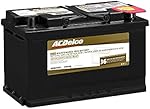
Winter's cold climes can take a significant toll on the juice in your Toyota RAV4's battery. When temperatures really dive, say around -30 degrees, your battery's regular power can dip by 30% or more.
This might not be enough to crank up your RAV4. During winter, if you're not behind the wheel of your Toyota RAV4 every couple of days or so, you might find that your battery's gone dead. In that case, you're either looking at getting a friendly jump start or hauling the battery home for a recharge.
Shop From Amazon


Oils
Before Jack Frost starts painting the town white, it's critical to swap out the oil in your Toyota RAV4 and change the oil filter. The oil's job is to slide over the metal parts of your engine, protecting them from wear and tear. The thickness of the oil - its viscosity - is a big deal in terms of how the engine runs.
If the oil's too thick, it won't flow smoothly over the parts, which might cause your engine to run too hot.
Shop From Amazon


When winter arrives and the mercury drops, the oil thickens up. But you can get around this by using oil with a lower viscosity (low viscosity index oil) made especially for winter weather.
Coolant
As winter rolls in, you'll want to swap your usual coolant for an antifreeze mix. Antifreeze not only keeps your Toyota RAV4's engine running cool in frosty weather, but it also helps prevent rust and corrosion of parts.
Shop From Amazon


Keeping the right amount of antifreeze is crucial. A 50:50 mix is just about right and it'll keep the fluid from freezing even in some seriously cold temperatures (-40 degrees).
If you don't have enough antifreeze, the coolant might freeze, potentially causing your engine to overheat and putting you in a spot where you need to replace one or more gaskets.

Consumables
Your spark plugs, wires, cables, belts, and hoses should all get a good once-over before you hit those frosty roads. Don't be shy about popping the hood and checking everything out. If there's something that's not quite right, it gives you a chance to fix it before it becomes a real problem.
Shop From Amazon


It's always better to head off potential issues now, rather than having them pop up out of the blue when you're trying to navigate a road covered in the white stuff.
Fuel Level
Running on fumes can do your Toyota RAV4 no good no matter the season, as it leaves you with the potential problem of being stuck somewhere with no gas station in sight. Trying to get by with an almost empty tank in winter is an even bigger gamble.
With the cold and changes in temperature, you can get condensation forming on the walls of a half-empty gas tank, which can lead to water getting in your fuel.

Water's heavier than gas or diesel, so it'll sink to the bottom, which can create a big problem: if water gets into the fuel line, it can freeze up, blocking the flow of fuel to the engine and putting the brakes on your trip. Fixing this kind of mess can really set you back a few bucks.
So even though gas prices can sometimes go through the roof, keeping your tank topped up can both protect your vehicle and save you money over time.
Wiper Blades and Washer Fluid
When you're dealing with the tough conditions that winter can throw at you, being able to see clearly is vital, so you want your Toyota RAV4's wipers in prime condition.
Imagine this: you're cruising down the road at night and out of nowhere, you're hit with a burst of snow and rain. You flip on your wipers to get a clear view, but instead, all you get is a smeared windshield courtesy of those worn out rubber blades.
Shop From Amazon


Since wiper blades are rubber, they can stiffen up and wear out over time. It's a good idea to swap out those wiper blades every 6-12 months.
And don't forget about your RAV4's windshield washer fluid - it's a key player when it comes to getting rid of snow and ice from your windshield. Make sure to switch out the regular stuff for a winter-grade solution. You can find these at any gas station.
Emergency Kit
If there's one thing that's always true on the road, especially in winter, it's that you never know what's going to happen. But you can be ready for just about anything.
One of the smartest things you can do is keep a specialized emergency kit in your Toyota RAV4. Make sure your kit has the following items:
- Jumper cables;
- First aid kit;
- Window scraper and brush;
- Compact shovel;
- Warm clothes;
- Compact flashlight with batteries;
- Extra coolant or antifreeze;
- Car door lock defroster;
- Silicone grease for seals;
Shop From Amazon


The Bottom Line
So, as you can see, getting your ride ready for winter isn't some big, complicated process. Yeah, it'll take a little bit of your time and some extra stuff in your trunk, but it's a whole lot better to be geared up for whatever winter might throw at you than to find yourself stuck with no way out.

Nick Marchenko, PhD
Industrial Engineer & Automotive Content Specialist
Nick writes in-depth guides on car clubs, engine specs, vehicle ownership, and modifications, combining engineering knowledge with automotive passion.
Full profile → LinkedIn →You May Also Like
What is Toyota RAV4 Average Life Expectancy?
3 years agoWhat is the lifespan of a Toyota RAV4? This inquiry primarily concerns the distance this vehicle can traverse without significant mechanical difficulties. For the first-time readers, it's safe to...
How To Maintain Leather Seats in Toyota RAV4?
3 years agoLeather seats are a symbol of elegance and premium comfort in a vehicle. This holds true whether your Toyota RAV4 came decked out in leather seats straight from the factory, or if you've opted for...
How to Get Rid Of Bad Smell in Toyota RAV4? Tips for Removing Car Odors
3 years agoAfter some point, you may smell that distasteful odors inside Toyota RAV4. If you treat your vehicle with love and take care of its interior, you can still face smells. Additionally, the more co...
How To Clean Your Toyota RAV4 Headlights?
3 years agoWith time and usage, your Toyota RAV4's headlights may start showing signs of wear and tear. They tend to lose their original sparkle, thanks to exposure to sunlight, buildup of dirt, and the even...
What Size Camper Can a RAV4 Pull?
3 years agoToyota RAV4 is a great compact crossover SUV beloved by many for its reliability, safety and decent towing capacity. It’s not an off-roading vehicle or a real heavy-duty monster, but its perform...
How To Clean Your Toyota RAV4’s Engine
3 years agoUnder the hood of the Toyota RAV4 is the mechanical heart that powers your rides, providing acceleration, speed, and that smooth driving experience. Keeping this heart in check through regular engine...