Disclaimer: Not affiliated with or endorsed by Toyota Motor Company. For informational purposes only. Full Disclaimer
How To Prepare Toyota Camry for Winter?
Updated:
As winter looms on the horizon, our wardrobes undergo a complete shift from light and airy summer garments to snug and warm winter attire. This transformation isn't exclusive to humans, however. Toyota Camry owners know that it's time to brace their beloved vehicle for the frosty season, equipping it to tackle any potential wintertime hurdles.
Winter-proofing a Toyota Camry isn't a herculean task, but it does demand a certain level of commitment and patience.
Being proactive and choosing to winterize your vehicle in advance always trumps dealing with unexpected problems without adequate tools or know-how.
Toyota Camry Pre-Winter Checklist
Winter's unpredictable and potentially perilous conditions call for extreme caution. The frost-coated roads and plummeting temperatures require not just cautious driving but a well-prepared Toyota Camry, ready to face any winter adversities with confidence.
Tires

Just as we need appropriate winter footwear to walk securely on frosty surfaces, vehicles need winter "tires" for maintaining optimal grip on icy roads. Swapping your summer tires for winter ones is advised as soon as the mercury dips to about +7 Celsius (+44 Fahrenheit).
Check your winter tires' tread depth, rubber condition, and air pressure to ensure they're ready for duty. Winter demands more frequent tire pressure checks, as the cold weather often leads to quicker deflation. As a general thumb rule: a 10-degree temperature drop equates to a 1 PSI decrease.
Shop From Amazon


The golden principle here is to be preemptive and change your Toyota Camry's tires ahead of time. No one wants to waste precious hours in a long queue when they could be enjoying a hot cocoa at home. Plus, it'll spare you unnecessary stress.
Brakes
While ensuring good winter traction and acceleration is vital, your stopping power is just as critical, particularly on slippery terrain like ice and snow. Regularly check your Toyota Camry brake pads and rotors to ensure they're in prime condition, ready to deliver maximum braking performance.
Shop From Amazon


Battery

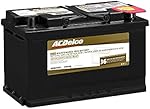
Wintry chill can take a hefty toll on your Toyota Camry's battery. During extreme cold spells, like -30 degrees, the battery's regular power can drop by 30% or more.
This might not be enough juice to get your Camry started. If your Toyota Camry isn't driven frequently in the winter, say less than every couple of days, you might discover your battery has effectively become a dud. In such cases, you might have to rely on the kindness of strangers or take the battery home for a recharge.
Shop From Amazon


Oils
Before the arrival of Jack Frost, it's essential to change the Toyota Camry's oil and oil filter. The oil's job is to lubricate the engine's metal components, protecting them from wear and tear. The viscosity of the oil - or its thickness - is a crucial factor in engine performance.
If the oil is too viscous, it will sluggishly move over the components, potentially causing the engine to overheat.
Shop From Amazon


During winter, falling temperatures can cause the oil to thicken. Fortunately, this issue can be easily tackled by using oil with a lower viscosity (low viscosity index oil) specifically designed for colder conditions.
Coolant
As winter approaches, it's crucial to switch out your regular coolant for an antifreeze solution. Antifreeze not only keeps your Toyota Camry's engine safe in freezing temperatures, but it also slows down the corrosion of parts.
Shop From Amazon


Keeping a suitable level of antifreeze is crucial. A 50:50 ratio is ideal and prevents the fluid from freezing even under extremely low temperatures (-40 degrees).
If the antifreeze amount is inadequate, the coolant may freeze, potentially causing the engine to overheat and requiring one or more gasket replacements.

Consumables
Before daring to hit the frosty highways, make sure to perform a detailed check of your Camry's spark plugs, wires, cables, belts, and hoses. Don't shy away from popping the hood and scrutinizing everything meticulously. If you spot a problem, it will help you take swift corrective action.
Shop From Amazon


It's always better to nip any potential problems in the bud now than to stumble upon them unexpectedly on a snow-draped roadway.
Fuel Level
Running on low fuel is a bad idea for your Toyota Camry at any time of year, as you risk getting stranded without a chance to refuel. It's especially perilous to drive with a nearly empty tank during the winter months.

The icy temperature and its constant fluctuations can lead to condensation forming on the interior of a half-filled tank, which can rapidly lead to water mixing with the fuel.
Water is denser than gasoline, so it will sink to the bottom, creating a major problem: if water gets into the fuel line, it can freeze, blocking the fuel supply to the engine and putting a wrench in your plans. Fixing such a malfunction can be exorbitantly expensive.
So, despite occasional spikes in fuel prices, keeping your tank consistently full will both protect your vehicle and save you a fair bit of money in the long run.
Wiper Blades and Washer Fluid
Visibility can often take a hit during the harsh winter weather, and it's essential that your Toyota Camry wipers are up to the challenge.

Picture this: you're on the road in the dark, and out of nowhere, a flurry of snow and rain hits your windshield. You flick on the wipers hoping for a clearer view, but their worn-out rubber blades merely smear the windshield instead of clearing it.
Shop From Amazon


As wiper blades are made of rubber, they can get brittle and degrade over time. It's recommended to replace your wiper blades every 6-12 months.
Moreover, don't forget to keep a check on your Camry's windshield washer fluid level - it plays a crucial role in clearing snow and ice from your windshield. Swap the regular fluid for a winter-grade solution. These are available at any gas station.
Emergency Kit
The only constant on the road, especially in winter, is unpredictability. But you can be prepared for most eventualities.
One of the smartest moves you can make is to keep a dedicated emergency kit in your Toyota Camry. Your kit should include the following items:
- Jumper cables;
- First aid kit;
- Window scraper and brush;
- Compact shovel;
- Warm clothes;
- Compact flashlight with batteries;
- Extra coolant or antifreeze;
- Car door lock defroster;
- Silicone grease for seals;
Shop From Amazon


Wrapping Up
As we've discovered, prepping your car for winter isn't a Herculean task. Yes, it does require some of your time and a few essentials in your trunk, but it's infinitely better to be geared up for any winter scenario than to find yourself stuck with no options.

Nick Marchenko, PhD
Industrial Engineer & Automotive Content Specialist
Nick writes in-depth guides on car clubs, engine specs, vehicle ownership, and modifications, combining engineering knowledge with automotive passion.
Full profile → LinkedIn →You May Also Like
How To Maintain Leather Seats in Toyota Camry?
3 years agoLeather seats are a testament to the car's luxury and superior comfort. Whether your Toyota Camry came with leather seats straight from the showroom, or you've upgraded your fabric ones, they...
How to Get Rid Of Bad Smell in Toyota Camry? Tips for Removing Car Odors
3 years agoAfter some point, you may smell that distasteful odors inside Toyota Camry. If you treat your vehicle with love and take care of its interior, you can still face smells. Additionally, the more c...
Tips How to Detail Exterior & Interior of Toyota Camry
3 years agoEven if you manage to keep your Toyota Camry clean by storing it in a clean place, you can still witness dirt or dust appearing on it. If you drive your vehicle in the rain or through muddy terrain or...
How To Clean Your Toyota Camry Headlights?
3 years agoOver time, the headlights of your Toyota Camry may lose their initial clarity due to consistent usage. This could be due to various factors, including exposure to sunlight, accumulation of dirt and...
How To Clean Your Toyota Camry Engine
2 years agoThe engine of the Toyota Camry serves as the core dynamo, orchestrating acceleration, velocity, and overall driving experience. Ensuring regular and meticulous engine care is key to enhancing its long...
How To Clay Bar Your Toyota Camry?
2 years agoEver been hypnotized by the pristine, glossy appearance of your Toyota Camry? If yes, then getting familiar with the technique known as clay bar detailing could be just the thing for you. Here'...