Disclaimer: Not affiliated with or endorsed by Toyota Motor Company. For informational purposes only. Full Disclaimer
How To Keep Toyota Camry In Good Condition
Updated:
The Toyota Camry was not built just for transportation. It also boasts features designed to provide comfort whether you're commuting to work, running errands, or hitting the road for a weekend getaway.
If you want your Toyota Camry to continue performing well for years to come, it's essential to take care of it through regular inspections and maintenance.
This article offers tips for maintaining your Toyota Camry, ensuring that every journey is pleasurable and worry-free.
Engine Maintenance
The engine of a Camry is its heart; your vehicle's performance relies on it. Make it a habit to open the hood occasionally to ensure that the engine and its components are in good working condition.
Regularly Change Filters in Toyota Camry

Filters are crucial for smooth engine operation. They prevent contaminants from getting into the motor, keeping it clean and efficient.
Over time, filters become clogged, and replacing them becomes necessary.
Follow the Toyota Camry maintenance schedule for proper engine care, and consider these general guidelines:
- Air filter - once a year or 12 thousand miles;
- Oil filter - with each oil change;
- Fuel filter - once every 15-20 thousand miles.
Shop From Amazon


Don’t Ignore the Spark Plugs
Toyota Camry's spark plugs play a crucial role in igniting the fuel-air mixture in the engine. When they wear out, acceleration can suffer, and fuel efficiency may decrease.
If you notice an uneven engine performance, check the spark plugs. If they're dirty or sooty, it might be time to replace them.
Generally, spark plug replacement is recommended every 60-80 thousand miles.
Consider also replacing the high-voltage wires along with the spark plugs, as their failure might cause similar symptoms.
Shop From Amazon


Monitor Your Toyota Camry's Engine Condition
The engine is a complex piece of machinery with numerous components that must work together seamlessly. Regular monitoring of the Toyota Camry's engine ensures longevity and performance.
Look for these signs that something might be wrong with the engine:
- Unusual sounds, like knocking, whistling, or howling, might indicate engine problems;
- A visual inspection may reveal cracks, oil or antifreeze leaks, or loose fasteners, all requiring prompt attention;
- Smoke from the exhaust system could indicate significant engine issues, such as burning oil or a rich fuel-air mixture;
- Unstable engine operation, jolts during acceleration, or poor acceleration are also warning signs.
Should you notice any of these symptoms, don't delay in diagnosing the issue. Addressing a small problem early can prevent more expensive and complex repairs down the line.
Don't Neglect the Timing System in Your Camry

Toyota Camry’s engine runs on either a belt or a chain timing system, each with a unique function.
They play a key role in the overall orchestration of your engine, controlling valves and pumps. But like anything, they wear down, and when they do, the stakes are high - from bent valves to damaged pistons. Here’s what to know about your Camry’s timing system:
- Belt - typically lasts 60-100 thousand miles;
- Chain - more robust at 200-250 thousand miles.
Fluids - The Lifeline of Your Camry
Your Camry’s fluids are like the lifeblood of the vehicle. They ensure everything runs as smoothly as possible.
From engine oil to coolant and brake fluid, they all serve vital functions. Let's dive in:
Regular Oil Checks Keep Your Camry Running Smooth
The engine oil in your Toyota Camry is crucial for keeping all those moving parts from turning into a molten mess. But how do you check it?
How to Check Your Camry's Motor Oil
- Make sure the engine is cold, or at least give it 10-15 minutes to cool down after a drive;
- Find that dipstick – it's usually on the side of the engine;
- Wipe it clean, then pull it out again to check the level – look for the sweet spot just above the middle mark;
- Keep an eye out for any contaminants like shavings or sand; this could signal trouble.
Remember to change your Toyota Camry’s engine oil regularly and always use the recommended viscosity.
Shop From Amazon


Keep an Eye on the Coolant Level in Your Camry

Your Camry’s antifreeze is essential for maintaining the engine at its happy temperature. Here's how to check it:
How to Check the Coolant Level on Your Toyota Camry
- Only check on a cool engine – if you’ve just driven, give it some time to cool down;
- Locate the expansion tank, usually recognizable by a few hoses and colored liquid inside;
- Open the cover, and check both the amount and condition of the antifreeze. It should be more than 'min,' but slightly less than 'max';
- If you see debris or cloudiness, it's time to replace it. Most recommend a new batch every 20,000 miles or 2 years.
Shop From Amazon


Regularly check Toyota Camry’s brake fluid level
Brake fluid is a vital part of road safety - it influences whether your brakes will function and how well they'll perform on the road.
It's essential to monitor the condition of your brake fluid: it shouldn't be cloudy or dirty, and it should be in sufficient quantity.
The brake fluid resides in a specialized tank under the hood - not far from the master brake cylinder. Changing the brake fluid at least once every two years is mandatory.
Keep an eye on your washer fluid level
Unlike other fluids, the Toyota Camry’s windshield washer fluid level is not critical. Yet, your comfort relies on it. You'll surely agree that driving with a smeared windshield and peering through grime is far from pleasant.
Therefore, check the washer fluid in the tank. It's located under the hood, marked with the windshield washer symbol. The liquid level can be seen visually - make sure it's easily visible. Fill the tank if needed.
Don't use plain water, as it might freeze in the system during a temperature drop, causing damage to pipes and nozzles.
Shop From Amazon


Use the fuel recommended by Toyota
Filling the Camry with the octane number recommended by Toyota is vital. Lower octane can lead to detonation and harm the cylinder-piston group components.
This also results in a power loss - the Toyota Camry will perform worse but consume more fuel. Therefore, adhere to the fuel type recommended in the owner's manual, often found on the gas tank cap, to avoid errors.
Shop From Amazon


Exterior Care
Maintaining the Toyota Camry's exterior is crucial. Following certain guidelines will not only protect but also enhance both the vehicle and your experience.
Always maintain your Toyota Camry's headlights

Headlights are the Camry's eyes in the dark, providing ample lighting and visibility. Keep an eye on them - they should shine brightly, evenly, and without dark spots. If dimmed, consider these solutions:
Shop From Amazon

![ACANII - For [HID/Xenon Model Only] 2014-2018 Jeep Cherokee Projector Headlight Headlamp Replacement Passenger Side](https://m.media-amazon.com/images/I/41+vdGbHSXL._AC_UL150_.jpg)
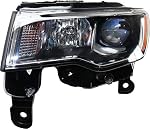
If fogging occurs, headlights may need polishing;
Replace worn-out Toyota Camry headlight bulbs promptly.
Shop From Amazon


Replace Toyota Camry windshield wipers
Toyota Camry wipers are vital for safety, especially in adverse weather. When the windshield is obstructed, clear visibility is essential.
Shop From Amazon


Wiper blades can deteriorate over time. When they do, they become less effective, leaving streaks and reducing visibility.
Watch for corrosion on Toyota Camry’s body

Cars are susceptible to rust, and the Camry is no exception. Regular inspections can catch small rust spots early on, allowing for prompt treatment and painting to halt further spread.
Depending on your region's climate, such inspections might be more or less frequent. In humid, snowy, or cold areas, cars may be more prone to rust.
Suspension Setup
The Toyota Camry's suspension was engineered for a perfect blend of comfort and agility on the road. It cushions bumps while maintaining a responsive driving experience.
Keep an eye on the condition of your suspension - it should work smoothly and quietly. Noises like knocking or grinding could be signs of wear or damage.
The Toyota Camry's ride should be steady and straight. Bouncing or being thrown from side to side indicates suspension issues that need attention.
If you observe any of the above symptoms, consult a mechanic or address the issue yourself. Suspension problems can be hazardous, especially at higher speeds.
Brakes
Effective brakes are vital for safety. The Toyota Camry requires a brake system that matches its performance. Regular inspection is crucial for maintaining brake health.
Brake pads
Don't cut corners on your Toyota Camry's brake pads. Regular inspections and replacements ensure safe stopping. After changing the pads, a 60-mile run-in period is recommended to guarantee smooth operation.
Shop From Amazon


Brake rotors

Brake rotors are just as essential. Regular checks for signs of wear, chips, cracks, or overheating in your Toyota Camry's brake rotors can prevent potential issues.
Shop From Amazon


Wheels & Tires
The Toyota Camry's wheels and tires are integral to your driving experience. Regular checks can maintain safety, comfort, and performance.
Important considerations include:
- Tire pressure. Proper inflation ensures a smooth and efficient ride. Check your Camry's manual or labels in the door jamb or fuel tank lid for the correct PSI or Bar;
- Tread condition. Worn treads reduce stability, especially on turns. If you notice wear, it's time to replace the tires;
- Rim integrity. Watch for vibrations at speed that may indicate a bent or dented rim;
- Seasonal tire changes. Your Toyota Camry needs appropriate tires for the prevailing weather, be it summer or winter.
To Sum Everything Up
Maintaining your Toyota Camry in tip-top condition will prolong its life and provide a joyful driving experience.
Regular checks and maintenance are well worth the effort. Your Camry will reward you with performance, safety, and comfort.

Nick Marchenko, PhD
Industrial Engineer & Automotive Content Specialist
Nick writes in-depth guides on car clubs, engine specs, vehicle ownership, and modifications, combining engineering knowledge with automotive passion.
Full profile → LinkedIn →You May Also Like
How To Clean Your Toyota Camry's Throttle Body?
2 years agoThe Toyota Camry's throttle body is a critical component that governs the air supply to the engine's combustion chambers, and therefore, it has a significant role in determining the formation...
How To Clay Bar Your Toyota Camry?
2 years agoEver been hypnotized by the pristine, glossy appearance of your Toyota Camry? If yes, then getting familiar with the technique known as clay bar detailing could be just the thing for you. Here'...
How To Clean Your Toyota Camry Engine
2 years agoThe engine of the Toyota Camry serves as the core dynamo, orchestrating acceleration, velocity, and overall driving experience. Ensuring regular and meticulous engine care is key to enhancing its long...
How To Prepare Toyota Camry For Off Road
2 years agoSome folks see highway cruising as the ultimate form of meditation, while others consider it a necessary chore to get from A to B. Regardless of where you fall, there’s no denying that pushing a...
How To Deep Clean Your Toyota Camry’s Interior?
2 years agoIt's easy to believe that Toyota Camry's are just everyday sedans. But if you think that, you're missing the point. These machines aren’t just for commuting—they represent comf...
How To Open The Hood Of the Toyota Camry?
2 years agoIf you are a proud owner of a Toyota Camry sedan, you undoubtedly appreciate its reliability and comfort. For those who have recently acquired one or have only been driving a Camry for a short period,...