Disclaimer: Not affiliated with or endorsed by Subaru Motor Company. For informational purposes only. Full Disclaimer
Identification of the Subaru WRX Acceleration Hesitation Problem
Updated:
Have you ever been driving a Subaru WRX and been eager to unleash its potent performance only to have an unanticipated moment of hesitation occur as you try to accelerate?
Many WRX owners have had this frustrating experience, which has left them perplexed and looking for explanations. In this talk, we'll look at a few typical causes of the Subaru WRX acceleration hesitation problem and provide some suggestions for possible fixes.
Possible Cause

First, a broken mass airflow sensor (MAF) is one potential cause of the hesitation. To help the engine control unit (ECU) determine the proper fuel-air mixture for combustion, the MAF is essential in detecting the amount of air entering the engine. Inaccurate readings from a failing MAF could result in an incorrect fuel mixture and delay when accelerating.
Shop From Amazon
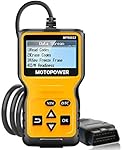


Performing routine inspections and, if required, replacing the MAF sensor can be a crucial step in fixing this problem. Keeping the sensor clean and clear of contaminants is also essential for the best results.
Fuel Injectors

The condition of the fuel injectors is another factor to take into account. The proper amount of gasoline must be introduced into the combustion chamber using fuel injectors.
Poor fuel atomization may arise from them getting blocked or from them not operating properly, which can cause hesitation when accelerating.
This issue can frequently be resolved by professional fuel injector servicing or periodic cleaning. Additionally, using high-quality gasoline and fuel system cleaners can help keep the engine operating smoothly and prevent injector problems.
The Role of Spark Plugs in Acceleration

Furthermore, the Subaru WRX's spark plugs may have a role in the hesitancy to accelerate. Spark plugs can deteriorate over time, which might impair their capacity to effectively ignite the air-fuel mixture. Misfires and a discernible hesitation while applying the gas can come from this.
Routine checking and replacing spark plugs according to manufacturer guidelines can prevent impaired acceleration. Choosing high-performance spark plugs can also improve the engine's responsiveness and overall efficiency.
Shop From Amazon


Throttle Position Sensor
In addition, addressing hesitation concerns requires a check of the throttle position sensor (TPS). Through communication between the ECU and TPS, the ECU can adjust the fuel injection based on the position of the throttle.
Acceleration may be hesitant if the TPS is malfunctioning or not communicating properly. It may be required to replace or calibrate the TPS to get the throttle and ECU to communicate properly again.
ECU Settings and Their Impact

Finally, hesitation during acceleration may be related to the settings of the WRX's electronic control unit (ECU). The ECU is in charge of controlling several engine operations, and the factory settings may not always optimize performance.
Improved engine responsiveness can be achieved by fine-tuning the engine characteristics using aftermarket solutions or ECU tuning.
However, it's important to proceed cautiously when tuning an ECU because making incorrect modifications can result in other problems. It is advisable to use reliable tuning solutions or seek advice from seasoned experts.
Conclusion
In summary, there are several potential causes for the hesitation problem in the acceleration of the Subaru WRX, including fuel system anomalies and sensor problems.
Frequent maintenance can play a major role in curing the issue. Examples of such maintenance include cleaning or replacing the MAF sensor, fuel injectors, spark plugs, and throttle position sensor.
In addition, for individuals seeking optimal performance, investigating ECU tuning options can provide a customized solution.
Owners of Subaru WRX vehicles can ensure a smoother and more pleasurable driving experience without having to deal with the irritation of unforeseen hesitations by taking care of these potential problems. Remember that a well-maintained WRX is a strong, responsive vehicle that is prepared to take on the open road.

Nick Marchenko, PhD
Industrial Engineer & Automotive Content Specialist
Nick writes in-depth guides on car clubs, engine specs, vehicle ownership, and modifications, combining engineering knowledge with automotive passion.
Full profile → LinkedIn →You May Also Like
How To Prepare Subaru WRX For Off Road
2 years agoSome enthusiasts treat rallying as a full-time passion while others view it as a quick adrenaline rush on the weekends. But regardless of where you land, let’s be real: tackling those dirt roads...
Here Are The 5 Subaru WRX Years to Avoid
3 years agoIf you're in the market for a Subaru WRX, it's important to know which years to avoid. While this car has a reputation for being reliable and fun to drive, it has also been plagued with a va...
What Causes Subaru WRX Vibration & How to Fix It
3 years agoThe cause of the problem with vibration in a Subaru WRX can be extremely hard to pinpoint and fix. You can experience shaking, minor low vibration, or a bumpy ride, and all of these effects have diffe...
How to Fix Subaru WRX Brake Light Fail - A Complete Guide
2 years agoWhen the brake lights on your Subaru WRX fail to illuminate, it's not just an inconvenience—it's a safety hazard. Fortunately, fixing this issue can often be a straightforward DIY projec...
Subaru WRX VIN Decoder - What Information In Contained Inside Your VIN?
2 years agoEach Subaru WRX is marked by its own unique identifier, the Vehicle Identification Number, or VIN for short. This complex sequence of digits and capital letters carries essential details about the veh...