Disclaimer: Not affiliated with or endorsed by Subaru Motor Company. For informational purposes only. Full Disclaimer
How To Prepare Subaru Outback For Towing
Updated:
Your Subaru Outback is a versatile warrior of the road. Engineered not just for the daily commute or to ferry groceries from the local market, the Subaru Outback is equipped for serious cargo-hauling endeavors. Be it a family caravan or a friend's vehicle in need of a tow, your Outback stands ready.
Towing might seem straightforward, but it demands a lot from your Subaru Outback, and it is a testament to your vigilance as a driver.
Thus, it's crucial to ready your Outback for towing by fitting it with the necessary gear and ensuring it's in peak condition—your comfort and the safety of everyone on the road hinge upon it.
Key Takeaways
- The Subaru Outback's towing capacity is influenced by several factors, such as engine performance, transmission type, vehicle dimensions and weight, drivetrain, and the structural integrity of the vehicle.
- Proper readiness of both the Subaru Outback and the towed entity is imperative, involving checks and enhancements to hardware, visibility, brakes, engine health, fuel reserves, and the presence of emergency provisions.
- Adhering to specific guidelines and safety measures is vital depending on the towed load, ensuring the weight is within the Outback's limits and selecting a suitable towing method.
- Extra care is necessary when towing vehicles with different transmission systems, where vehicles with automatic transmissions may require a flatbed or tow dolly, and precautions to avert transmission damage.
What is towing?
Towing involves the pulling or dragging of a trailer, boat, or another vehicle behind your Subaru Outback.
To undertake this task, you need to connect a towing hitch or coupling between your Outback and the object you wish to tow.
Can any weight be towed by a Subaru Outback?
Almost every model of the Subaru Outback is built to tow. The primary variation is in how much weight it can bear and transport securely.
The towing capacity of a Subaru Outback is contingent upon numerous factors, for instance:
Engine Performance
The Subaru Outback's towing prowess is linked to its engine horsepower and torque. A more robust engine means more torque for managing weightier loads.
Transmission Type
Whether manual or automatic, the transmission influences the Subaru Outback's towing capacity. Automatic transmissions often boast superior towing capabilities thanks to their torque converter design.
Size and Weight
Larger and heavier Outback variants typically boast more towing capacity. Vehicles with a sturdy body-on-frame design are better suited for towing heavy weights.
Drivetrain
The type of Subaru Outback drivetrain, such as FWD, RWD, or AWD, affects towing capacity. AWD and RWD configurations are preferable for towing due to their optimized power distribution.
Structural Integrity
The robustness of the Subaru Outback's frame, including its suspension and brake systems, is paramount to its towing capability. Vehicles with reinforced suspension and brakes are more adept at handling towing stresses.
How do you prepare a Subaru Outback for towing?

Just as a marathon runner primes for a race, your Subaru Outback requires tuning before taking on the task of towing.
The principles of safe towing are universal and should always be adhered to. Yet, what you're hauling—be it a trailer or another vehicle—necessitates attention to detail to ensure a smooth operation.
Towing a trailer with a Subaru Outback
When you're looking to tow a trailer with your Subaru Outback, there are vital considerations to ensure everything goes smoothly and safely.
Understand your Subaru Outback's boundaries
Every Subaru Outback model and trim level has its limits, particularly when it comes to towing capacity - a boundary not to be overstepped. This encompasses a variety of aspects, such as engine potency, body robustness, and suspension structure. Subaru delineates these limits for good reason.

Surpassing these limits can result in:
- Component failures or breakdowns within the Outback;
- Decreased control and stability;
- Inadequate braking power;
- Potential accidents and casualties.
So, before you tow anything, tally up the full weight of your trailer and its cargo, then weigh that against what your Subaru Outback can handle. You can find your car's towing capacity here.
Ensure your towing equipment is up to snuff
Your vehicle needs the right gear to tow trailers effectively and safely.
Here's a checklist for such equipment:
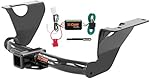
- Towing Hitch. This is the sturdy connection at the vehicle's rear designed to securely latch onto a trailer, providing a reliable foundation for towing.
- Trailer Brake Controller. A device within the driver's reach that controls and regulates the trailer's brakes, enhancing safety and maneuverability while towing.
- Towing chain. Essential for securing the towing connection, ensuring the trailer remains attached to your vehicle.
It's critical that all equipment is in prime condition without any wear and tear.
Shop From Amazon

Check your mirrors
Visibility is key. Your mirrors should be properly adjusted and fully functional to ensure you have a clear view of the road behind you.
It's wise to invest in special towing mirrors for a better field of vision.
Inspect your brakes

Brakes are paramount. Under normal conditions, they only need to halt the car's own weight, but when towing, they're under much greater pressure. They have to be up to the task. Service your brakes by inspecting:
- The state of the pads;
- The condition of the rotors and/or drums;
- The brake fluid's quality.
Shop From Amazon


Ensure your headlights are in top shape
Being able to see ahead clearly is crucial for quick reactions and safe maneuvers. Your headlights must be bright and provide excellent visibility, day or night.
Shop From Amazon


Verify your tail lights are working
Shop From Amazon
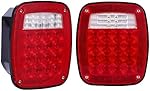


You need to be just as visible to other drivers as you need to see them. Make sure your parking lights, brakes, and indicators are all functioning correctly.
Assess the overall condition of the engine
The engine bears a significant burden when towing, necessitating it to perform optimally under increased demand. Check that it runs smoothly, without any odd noises or signs of trouble.
It's also wise to service the engine before towing, which includes:
- Changing oil and filter;
- Checking coolant levels and condition;
- Evaluating the state of the spark plugs; / glow plugs for diesel engines.
Inspect the condition of the suspension
Contrary to popular belief, the engine isn't the only component under stress when towing. The suspension endures considerable strain as it supports a significant amount of weight, leading to wear and tear.
If the suspension is compromised, it could lead to an accident, especially if any part fails while towing. So, ensure you check and service the suspension before hitting the road.
Inspect the gearbox
Towing challenges the gearbox substantially—it's likely to heat up and could potentially fail under the extra burden. So, first, don't overload your Subaru Outback, and second, ensure the gearbox lubricant is in good condition, swapping it out for fresh lubricant if needed.
Top up your fuel
Extra load means extra fuel consumption. With towing, you can expect a 10-20% increase in fuel usage, depending on the weight. So fill your Outback's tank to the brim, plot fuel stops along your route, and carry extra fuel cans if necessary.
Carry a Toolkit
It's essential to have a set of tools in your Subaru Outback for any unexpected issues. Include wrenches, pliers, screwdrivers, and any tools specific to your towing setup.
If you encounter a problem while towing, having the right tools can help you manage the situation promptly and efficiently.
Shop From Amazon


A First Aid Kit is Crucial
Always prioritize safety when preparing to tow. Ensure your first aid kit is stocked with essentials like bandages, antiseptic wipes, and pain relievers. It's an indispensable part of your vehicle's emergency kit, preparing you for any medical situations that may arise.
Shop From Amazon


Secure Your Load
When carrying cargo, it's imperative to secure it tightly with ropes or straps. This prevents the load from shifting or falling, reducing accident risks and ensuring the safety of all on the road.
Proper loading and securing techniques are key for maintaining balance and stability of your towed cargo.
Check the trailer's technical condition

Remember, towing safety is as much about the trailer as it is about the Subaru Outback.
Go through this checklist before a long trip:
- Inspect the trailer brakes. Avoid trailers without their own braking systems. Your Outback might need assistance supporting the combined weight of the vehicle and the trailer.
Excessive strain on your brakes can lead to failure, so ensure the trailer's brakes are functional and well-connected to your Outback's brake system, activating each time you brake.
- Examine the trailer's suspension. Look for signs of damage, wear, or corrosion in the suspension components, and ensure everything is secure and correctly aligned. A maintained suspension is vital for stability while towing.
Address any issues immediately to prevent trouble during your journey.
- Test the trailer lights. Working trailer lights are a safety necessity and a legal requirement. Check all lights, including brake lights, signals, and markers. Replace any defective bulbs and ensure all connections are secure and corrosion-free.
Regularly maintaining your trailer lights makes your towing intentions clear to other drivers, enhancing safety.
- Inspect the trailer hitch. Checking the hitch and its connection to your Outback is vital. Look for wear or damage, and make sure all components are secure. Regular maintenance and lubrication of the hitch are necessary for safe towing.
Ensure the safety chains are in good shape and properly connected.
Towing a Car with a Subaru Outback
When preparing to tow with your Subaru Outback, adhere to the principles outlined above. Yet, towing a car has its specific considerations — critical for safety and performance.
Ensure these factors are not overlooked, as they are pivotal to a safe towing experience.
Ascertain the towed vehicle's weight
Verify the car you're towing doesn't exceed the Subaru Outback's towing capacity. Reference your vehicle's manual to determine the limit. Overloading can negatively affect braking, steering, and put undue strain on the engine and transmission.
Factor in the weight, size, cargo, and passenger count in both your Outback and the towed car for a successful operation.
Select your towing method
There are several methods to tow another car:
- With a tow strap;
- With a tow bar;
- Using a trailer;
Towing with a strap

When using a tow strap, the towed car needs operational brakes, and a driver must be present to steer and brake. Since the towed vehicle can't stop on its own, a responsible individual must oversee it.
Towing with a bar
Here, the towed car is affixed to your Outback with a tow bar. No driver is needed in the towed car, but the lead car will handle braking for both, increasing the demand on its brakes.
Towing on a trailer
The car is securely placed on a trailer hitched to the Outback. Remember to combine the weight of the towed car and the trailer when calculating the towing capacity.
Transmission type of the towed vehicle
Identify the transmission type of the car you'll tow. For manual transmissions, shift the gear to neutral. Automatic vehicles must be towed with a carriage or tow dolly.
A tow dolly lifts the front tires off the ground and is suitable unless the car is front-wheel or all-wheel drive exceeding 3450 lbs, or if it's a four-wheel drive vehicle.
The drive wheels of an automatic car should not touch the road to prevent gearbox engagement and potential damage.
If a carriage isn't an option and you must transport an automatic vehicle, consider disconnecting the drive shaft before embarking on your journey.
Additional Equipment You May Need for Towing with a Subaru Outback

By now, you're equipped with the knowledge you need for towing. If you're ready to further gear up your Subaru Outback for heavy-duty towing and optimize its longevity, consider the following enhancements recommended by experts in the field.
Weight-Distributing Hitch for Subaru Outback
A weight-distributing hitch is a valuable addition to your towing arsenal, ensuring the load is balanced between your Subaru Outback and the trailer. It helps maintain control and vehicle stability by preventing the rear axle from being overloaded.
This device is not just for safety; it also makes towing a smoother, more controlled experience. It's particularly beneficial for towing heavier or larger trailers, helping to keep your Outback balanced and stable on the road.
Extended Towing Mirrors
Extended mirrors offer a wider viewing range, crucial when your regular mirrors are not sufficient due to the size of your trailer. They help eliminate blind spots and are a significant safety upgrade for towing scenarios.
These mirrors are a must for monitoring traffic and ensuring safe driving behavior with a trailer in tow, particularly when it obstructs your Subaru Outback's standard rear view.
Suspension Air Bags for Subaru Outback
Suspension airbags provide additional support to your Subaru Outback's suspension system, increasing its ability to handle heavy loads. These are great for maintaining proper vehicle alignment and ride comfort while preventing sagging and reducing stress on suspension components.
Transmission Cooler for Subaru Outback
A transmission cooler is essential for maintaining the transmission fluid at optimal temperatures, preventing overheating during towing or intense use. It's a vital part of preserving your Subaru Outback's transmission health and ensuring smooth gear transitions.
Rearview Camera System

Rearview cameras are invaluable, offering a clear view of the area behind your Subaru Outback, significantly enhancing safety. They are particularly useful when towing, as they assist in maneuvering, reversing, and avoiding obstacles, minimizing blind spots for safer trailer hitching and parking.
Roof Rails for Additional Cargo
Roof rails are an adaptable accessory for carrying additional items. They allow you to secure equipment like bikes or extra gear safely on top of your Subaru Outback, thus freeing up interior space and maintaining comfort inside the vehicle.
Shop From Amazon


Concluding Your Towing Preparations
Thorough preparation for towing with your Subaru Outback ensures a safe and smooth experience. Paying attention to the technical condition of both your vehicle and the trailer, understanding the load capacity, having the right safety features, and choosing appropriate towing accessories are all crucial steps.
Remember, a well-prepared towing setup not only enhances safety but also contributes to the longevity of your vehicle and trailer, making towing a reliable and enjoyable adventure.

Nick Marchenko, PhD
Industrial Engineer & Automotive Content Specialist
Nick writes in-depth guides on car clubs, engine specs, vehicle ownership, and modifications, combining engineering knowledge with automotive passion.
Full profile → LinkedIn →You May Also Like
How To Choose the Best Light Bulbs For Subaru Outback? Complete Guide
2 years agoWhen the darkness envelopes the road like a thick, black velvet curtain, it's the robust gleam from your Subaru Outback's headlamps that pierces through, guiding you safely. But remember, even...
How To Sell Your Junk Subaru Outback?
2 years agoLook after your trusty steed, the Subaru Outback, and it will gallantly ferry you to every corner of the world. But let's be brutally honest, no matter how diligently you care for it, it's not...
How To Change the Coolant in Subaru Outback?
2 years agoFilling up, swapping out the oil, or getting intimate with the brake fluid are tasks as regular as clockwork in the life of any Subaru Outback owner. However, a question that doesn't pop up as oft...
How To Tint Windows of the Subaru Outback?
2 years agoSubaru Outback window tinting isn't just about adding a touch of mystery; it's a clever move with a parade of perks. First off, it keeps your Outback cooler than a cucumber in a fridge on scor...
How to Check and Change Your Subaru Outback Transmission Fluid?
2 years agoOne of the most important things you can do to keep your Subaru Outback running smoothly and effectively over time is to keep the transmission fluid clean. A simple procedure that can prolong the l...
How To Solve Subaru Outback Brake Light Issue - Make Your Bulbs Shine Again
2 years agoWhen it comes to maintaining your Subaru Outback, addressing brake light failure is crucial not only for your safety but also to avoid any unnecessary encounters with law enforcement. This guide will...