Disclaimer: Not affiliated with or endorsed by Subaru Motor Company. For informational purposes only. Full Disclaimer
How To Prepare Subaru Forester For Towing
Updated:
Your Subaru Forester is designed for versatility and reliability. It's not just for daily commutes or hauling groceries; your Forester is also adept at towing, whether that be a camping trailer or even another vehicle.
Towing might seem straightforward, but it places significant demands on your Subaru Forester, and it's a responsibility for you as the driver.
Thus, it's critical to properly prepare your Forester for towing by fitting the necessary equipment and ensuring the vehicle is in optimal condition, as your comfort and the safety of all road users hinge on this.
Key Takeaways
- The Subaru Forester's towing capacity varies based on engine size, transmission type, vehicle dimensions and weight, drive configuration, and its structural design.
- Proper preparation of both the Subaru Forester and the towed unit is crucial, which includes checking and adjusting equipment, visibility, brakes, engine health, fuel levels, and having an emergency kit on hand.
- Adhering to specific guidelines is necessary depending on the load, such as ensuring the weight is within the Forester's towing limits and selecting the correct towing method.
- Special attention is required when towing vehicles with different transmission types, where those with automatic transmissions might need a tow dolly, and taking measures to prevent damage to the transmission.
What is towing?
Towing refers to the process of pulling another object, such as trailers, boats, or other vehicles, using a Subaru Forester.
To tow, you need to connect the Forester to the trailer using a towing hitch or coupling device.
Can any weight be towed by a Subaru Forester?

Most Subaru Forester models are built to tow; they differ in their towing capacities based on several factors, such as:
Engine Capacity
The Subaru Forester's towing capacity is influenced by its engine power and torque. Stronger engines offer more torque, enabling them to tow heavier loads.
Transmission Type
Whether the transmission is manual or automatic affects the Forester's towing ability. Automatic transmissions often have superior towing characteristics due to their design.
Size and Weight
Larger, heavier Forester models typically boast higher towing capacities. Vehicles with a robust body-on-frame structure are particularly well-suited for towing.
Drive Type
The Forester's drive type, be it FWD, RWD, or AWD, impacts its towing capability. AWD and RWD variants are generally better at managing towing tasks due to more efficient power distribution.
Structure and Design
A Forester's towing capacity is greatly affected by its frame strength and design, including the suspension and brake systems. Models with reinforced suspension and brakes are better equipped to handle the stresses of towing.
How do you prepare a Subaru Forester for towing?
Similar to an athlete preparing for a marathon, your Subaru Forester requires thorough preparation before beginning to tow.
The principles of safe towing apply universally, yet there are nuances depending on whether you are towing a trailer or another vehicle. Awareness of these details is essential for a smooth towing experience.
Towing a trailer with a Subaru Forester
Towing a trailer with a Subaru Forester entails understanding the vehicle's capabilities to ensure safe and efficient transport.
Know your Subaru Forester's limitations
Each Subaru Forester model or trim has its maximum towing capacity, which should not be exceeded. This includes considerations such as engine performance, chassis integrity, and suspension design. Subaru outlines these capacities to ensure safety.

Overloading your Forester can lead to:
- Component failure or damage to the vehicle;
- Reduced control and stability;
- Inadequate braking power;
- Potential accidents and hazards.
Before towing, calculate the combined weight of your trailer and its load, then check against your Subaru Forester's towing capacity. You can find your vehicle's towing specifics here.
Ensure your towing equipment is functional
Your Forester must be equipped with the right gear for towing:
- Towing Hitch. This must securely attach the trailer to the vehicle and support it safely during towing.
- Trailer Brake Controller. Installed in the cabin, it allows the driver to manage the trailer's brakes, enhancing safety and maneuverability.
- Towing Chain. This safety measure ensures the trailer remains connected to the vehicle.
Check all gear for signs of wear or damage before use.
Shop From Amazon


Adjust your mirrors for towing
Visibility is key. Ensure your mirrors are well-adjusted and consider specialized towing mirrors for a better field of vision.
Brakes must be in top condition

Brakes are vital, especially when towing. They need to stop the additional weight of the trailer. Service your brakes by inspecting:
- Pad condition;
- Rotor and drum condition;
- Brake fluid status.
Shop From Amazon


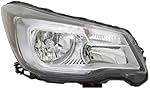
Ensure headlights are bright
Good lighting is crucial. Check your headlights for optimum illumination.
Shop From Amazon


Tail lights must be functional
Being visible to others is just as important as seeing the road ahead. Confirm all rear lights work properly.
Shop From Amazon


Engine should be in excellent condition
The engine faces increased demands while towing. Ensure smooth operation and service as needed, including:
- Oil and filter change;
- Coolant level and quality check;
- Spark plug inspection; / glow plug check for diesel models.
Inspect the suspension system
The suspension endures significant stress when towing. Check for any issues and service to avoid potential failures.
Inspect the gearbox
When towing with your Subaru Forester, the gearbox undergoes additional strain. It can heat up more quickly, which could lead to failure if not properly attended to. Avoid overloading and ensure the lubricant in the gearbox is checked and replaced if needed.
Fill up with more fuel
Expect increased fuel consumption when towing due to the extra load. Fuel efficiency can drop by 10-20%, depending on the weight. Make sure to fill up your Forester's tank more than usual, plan fuel stops, and carry extra fuel if necessary.
Keep a Toolkit in the Car
A comprehensive toolkit is essential when towing. Include wrenches, pliers, screwdrivers, and any specialized tools for your towing setup. Being prepared with the right tools can mitigate any issues should they arise on the road.
Shop From Amazon


A First Aid Kit in the Car is Mandatory
Safety is paramount when preparing for towing with your Forester. A well-stocked first aid kit with bandages, antiseptic wipes, and pain relievers should always be within reach to address any potential injuries immediately.
Shop From Amazon


Securely Fix Cargo on a Carriage or Open Platform
Securely fastening cargo when towing with a carriage or open platform is a must. Use straps or cables to prevent the load from shifting, which could lead to accidents or damage. Proper loading and securing are critical for safety and stability.
Check the technical condition of the trailer
The trailer's condition is as crucial as the Forester's when it comes to towing. Half of the safety equation is the trailer itself.
Run through this checklist before embarking on a journey:
- Check the trailer brakes. It's risky to tow without a proper braking system on the trailer. The Forester's brakes alone may not suffice for both the vehicle's and trailer's weight.
Excessive strain on the vehicle's brakes could lead to failure. Ensure the trailer's own brakes are functioning and sync with the Forester's system.
- Examine the Trailer Suspension. A thorough inspection of the trailer's suspension system for signs of wear or damage is necessary before towing.
Confirm all parts are securely attached and aligned. A maintained suspension ensures stability and handling during towing.
- Verify Trailer Lights. Functional trailer lights are not only crucial for safety but also a legal requirement.
Check the operation of all lights, replace any faulty bulbs, and ensure electrical connections are corrosion-free.
- Inspect the Trailer Hitch. The condition of the hitch and its attachment to your Forester is essential.
Check for wear or damage and ensure all components are secure. Regular lubrication of moving parts is advised to reduce wear.

Towing a Car
When you're set to tow a car with your Subaru Forester, the same principles apply as before, but there are additional considerations specific to vehicle towing that are critical for your safety.
It's essential to ensure that the car you're towing doesn't exceed the towing capacity of your Forester. You can find the maximum towing capacity in your vehicle's manual. Overstepping this limit can result in decreased braking and steering efficiency, as well as excessive strain on your engine and transmission.
Consider the weight, size, cargo, and the number of passengers in both your Forester and the car you're towing.
Choose how to tow your car
There are three main methods for towing a car:
- Using a tow strap;
- Using a tow bar;
- On a trailer;
Using a tow strap
To tow another vehicle with a tow strap, the towed car must have operational brakes, and someone should be in the driver's seat to manage the brakes and steer. This is important because the towed vehicle won't stop on its own.
Using a tow bar

With this method, the towed car is securely connected to your Forester with a towing device, and the two cars move together. No driver is needed in the towed car, but the primary vehicle will need to brake for both, which can put additional strain on the braking system.
On a trailer
The safest method is to secure the towed car onto a trailer. Remember to include the weight of the trailer when calculating the total towing capacity required.
What type of transmission does the vehicle you will be towing have?
Knowing the type of transmission in the car you're towing is important. For a manual transmission, the gear lever should be in neutral. For an automatic transmission, the car should ideally be towed on a trailer or tow dolly.
Be mindful that a tow dolly isn't suitable for all-wheel-drive vehicles over 3450 lbs, and it's not recommended for four-wheel-drive vehicles. For cars with automatic transmissions, the driving wheels should not contact the road during towing to prevent damage to the gearbox.
If using a trailer isn't an option and you must tow an automatic vehicle, it's advisable to disconnect the drive to avoid moving the gearbox.
Additional equipment that you may need when towing

Now that we've covered the essentials of towing with your Subaru Forester, you might be contemplating how to enhance your vehicle for the task and safeguard its longevity. Consider the following upgrades for a more robust towing experience:
Weight-Distributing Hitch
A weight-distributing hitch is a crucial piece of equipment, ensuring the load is balanced across the Forester and the trailer. This device is key in preventing undue strain on the rear axle, which can affect handling and vehicle stability.
By evenly distributing the weight, you'll find towing not only safer but smoother, enhancing overall control, particularly when dealing with heavier or larger trailers.
Towing Mirrors
Extended towing mirrors expand your visual range, which is essential when your line of sight may be obstructed by the cargo. These mirrors are invaluable for keeping an eye on traffic and ensuring safe towing practices.
Suspension Air Bags
Also known as air springs, suspension airbags provide additional support to your Forester's suspension, stabilizing the vehicle when towing heavy loads. They help maintain proper vehicle posture, ensuring the ride remains comfortable and the suspension components are not overstressed.
Transmission Cooler
A transmission cooler is essential for maintaining the transmission fluid at an optimal temperature, especially under the strain of towing. This addition is key to preserving transmission life and ensuring smooth gear transitions under load.
Rearview Camera System

Rearview cameras are particularly useful when towing, aiding in reversing and navigating tight spots. They enhance safety by mitigating blind spots, simplifying the process of connecting a trailer, and aiding precision parking.
Roof Rails
Roof rails extend your Forester's carrying capacity, enabling you to secure additional items such as sporting equipment and oversized luggage. They're an excellent way to augment your vehicle's cargo capacity, perfect for outdoor activities and long trips.
Shop From Amazon


To Wrap Everything Up
Proper preparation for towing with your Subaru Forester is essential for a secure and smooth experience. It's important to consider not just the mechanical readiness of your vehicle and trailer but also to equip yourself with the right accessories to enhance safety and ensure longevity of your setup. By investing in these towing enhancements, you ensure a more reliable and enjoyable journey, whether you're hauling gear or heading off on an adventure.

Nick Marchenko, PhD
Industrial Engineer & Automotive Content Specialist
Nick writes in-depth guides on car clubs, engine specs, vehicle ownership, and modifications, combining engineering knowledge with automotive passion.
Full profile → LinkedIn →You May Also Like
Subaru Forester Free VIN Decoder With Examples
2 years agoEach Subaru Forester is marked with a distinctive code known as the VIN, which is short for Vehicle Identification Number. This alphanumeric code is a treasure trove of details, revealing the car'...
How To Choose the Best Light Bulbs For Subaru Forester? Complete Guide
2 years agoAutomotive light bulbs inside the Subaru Forester’s headlights illuminate your way at any hour and under any sky, ensuring your safety as you traverse various terrains. Alas, all things must...
How To Sell Your Junk Subaru Forester?
2 years agoWith meticulous attention and regular maintenance, the Subaru Forester can be a stalwart companion on many an adventure. Yet, it's important to acknowledge that even the most pampered vehicles hav...
A Complete Guide to Ridding Your Subaru Forester of Rust
2 years agoFirst of all, Your Subaru Forester is a dependable travel companion, but rust—the enemy of all cars—can still find its way into even the strongest vehicles. Your car's body and unde...
How To Tint Windows of the Subaru Forester?
2 years agoSubaru Forester window tinting is more than just an aesthetic upgrade; it's a smart choice with several benefits. Firstly, it keeps your Forester cooler on sunny days by reducing the heat entering...
How To Fix Subaru Forester Brake Light Fail - Most Common Solutions
2 years agoBrake light failures in a Subaru Forester can be a perplexing issue. This guide compiles advice and solutions from various real-world experiences to help you troubleshoot and fix common brake light pr...