Disclaimer: Not affiliated with or endorsed by Kia Motor Company. For informational purposes only. Full Disclaimer
How To Upgrade Sound System of Kia Soul
Updated:
For any Kia Soul enthusiast, there’s that undeniable thrill of hearing the purr of the engine mixed with the rush of the wind as you cruise the open road. But sometimes, you want to chill and play your favorite tunes, especially during long commutes.
On extended drives, spanning hundreds or even thousands of kilometers, a good playlist is your best companion. And if you’ve got a family tagging along, especially kids, the Kia Soul’s multimedia system can be a lifesaver for their entertainment.
However, the stock audio system of the Soul sometimes might leave a bit to be desired. Maybe it’s not loud enough, or perhaps the music's drowned out by ambient noise. If your Kia's sound system isn't quite hitting the mark, it's time for an upgrade. And hey, I’ve got you covered on how to go about that.
First things first, consider letting the pros handle it
Revamping the audio system in a Kia Soul is not just a simple plug-and-play affair. You’ve got to have a good grip on electronics, and being familiar with the Kia Soul’s wiring diagram is a must.
Get a wire wrong and you’re not just risking a subpar sound experience, but also potential electrical issues with your ride. If you're even slightly unsure about DIYing it, seriously, let the professionals handle the job. It’ll save you time and potential headaches, and you can be confident about the quality of the setup.
Always disconnect the battery before diving in

It’s basic car modding 101: before fiddling with any electrical components in your Kia Soul, disconnect that negative battery terminal. It’s essential for your safety and to avoid any electrical mishaps with your car.
Tools of the trade: What you’ll need to upgrade that stereo
The tools you need will vary depending on the specifics of your upgrade. But, here's a handy list to get you started.
Shop From Amazon


Must-haves include:
- Wrench set;
- Insulating tape;
- Screwdrivers (both Phillips and flathead);
- Pliers;
- Soldering iron;
- Wiring set tailored for your system;
- Kia Soul electrical diagram or Kia Soul Owner's Manual;
- Multimeter.
Speakers: The soul of your Soul’s sound
Good music is largely dependent on the speakers - they're literally where the sound comes from. Cheap speakers might start strong but can degrade over time, becoming quieter and losing clarity.
If that’s the case, investing in a better-quality set is a game changer. Look for reputable brands, and always check user reviews. A solid pair typically runs you between $100-$200, but if you’re feeling fancy, higher-end options can offer near studio-quality sound.

Choosing the right speakers for your Kia Soul
It’s not just about quality. You’ve got to make sure your new speakers fit your Kia Soul’s model year. Each car model has specific dimensions and placements for speakers. You don’t want oversized ones that won't fit, or undersized ones that'll rattle around.
To figure out the ideal speaker size for your Kia Soul, check out this site.
Getting Down with Kia Soul's Speakers: A Quick How-To
So, you've decided to jazz up your Kia Soul's sound game, eh? Well, if you've got your speakers picked out, let's walk you through the installation. It's almost like Legos for adults, but way cooler:
1. Pinpoint those speakers. Depending on your Soul’s vintage, they might be in different spots.
2. Get past the armor! That means the door panels or any trim hiding those old speakers.
3. Unscrew or unbolt the old guardians of groove.
4. Disconnect those wires, but be smart about it. Mark those positive and negative connections.
5. Out with the old, in with the new. If your homework's on point, this should be a snug fit. Else, some trimming might be in order.
6. Rewire your new sound soldiers. Remember, right wire to the right spot!
7. Settle them into their new homes. They should be snug, not jumping around like they've had too much caffeine.
8. Put everything back together. Like reverse Jenga.
9. Do the dance with any other speakers you're swapping out.

And hey, while the Kia Soul’s got its defined speaker spots, if you're feeling adventurous, you can put them anywhere. Just remember you'll be playing interior designer, cutting new spots and running new wires.
Pro tip: Stick to the same brand across all speakers. Otherwise, you might end up with some odd sound dynamics. And, a bunch of speakers can mean more door weight and vibration. No one likes a rattly door.
Subwoofer Setup: Giving Your Kia Soul Some Deep Grooves
Alright, onto the subwoofers. The unsung hero in the car audio world, especially if you're craving that deep bass in your Soul.
Subwoofers fill in where normal speakers fear to tread, diving into those deep frequencies between 20 Hz and 200 Hz. Adding a subwoofer to your Soul doesn’t just enhance tunes; it’s a full-body experience. And for movie soundtracks? Let’s just say it's like having a theater on wheels. Expect to drop around $250-$300 for a decent one.
Picking the Right Subwoofer for the Kia Soul
Choosing a subwoofer is like picking a fine wine – a little complex, but totally worth it. You'll be deciding between active or passive setups.

Benefits of the Active Subwoofer:
Built-in Amplifier. It's all in the box. No need for a separate purchase or juggling extra components in your Soul's space.
Compact Design. Made for the modern car, ensuring it'll tuck nicely into your Soul.
Easy Installation. With fewer separate components, it's a bit plug-n-play. Power, audio, and boom!
Control & Adjustability. Dial in that perfect sound. With the adjustability on active subs, you can tune your bass to harmonize perfectly with the Soul’s unique acoustics.
Active Subwoofer Pitfalls
Premium Price Tag. With an onboard amplifier, active Kia Soul subwoofers generally come with a heftier price tag than their passive counterparts.
Location Restrictions. Active units need to be in proximity to a power source (like the Soul's battery). This can limit where you’d ideally want to put them in your Kia Soul.
Passive subwoofers – These come without an integrated amp. You'll have to snag an amplifier on the side to get them up and running.
Perks of Going Passive
Freedom with Amplification. With passive setups in your Kia Soul, you have the liberty to cherry-pick an external amp that aligns with your audio ambitions and wallet size. This could lead to a richer, superior audio experience if paired right.
Budget-Friendly Choices. Generally speaking, passive subwoofers are easier on the pocket since they don't come with an amplifier built-in.
Set It and Forget It. No built-in amp means more flexibility with the setup. You can position the subwoofer and the amplifier separately to make the most of the space inside your Kia Soul.
The Downside to Passive
Gearing Up. To get that bass thumping in your Kia Soul, a passive system needs an external amp. This could mean more cables, more components, and potentially a more intricate setup journey.
Fine-Tuning Frustrations. Compared to their active brethren, passive subwoofers might not be as tweak-friendly. You might need to fiddle with that external amp to get your basslines sounding just right.
Spacial Considerations. While the subwoofer might be compact, remember you've got an external amplifier to accommodate. This might take up more room in your Kia Soul than you’d think.
When you're in the market for a sub, power is a big deal. Here’s what you need to know:
- RMS Power. This is the consistent juice the speaker can handle. It's all about long-term, quality sound without distortion.
- Peak Power. This is about those short bursts, up to a couple of seconds, where the subwoofer pushes its limits without buckling under or distorting the audio.
Subwoofer Sensitivity. Sensitivity isn't just about loudness; it's about efficiency. Think of it as how effectively your sub can convert power (wattage) into volume (decibels). A bump in sensitivity can mean a big change in how your music feels in the Soul.
Impedance Matters. Typically measured in ohms, impedance can give you a clue about how your amplifier will perform. Lower impedance often means more output, but with the trade-off of potential sound distortion. A 4-ohm resistance is pretty standard, especially for a car like the Kia Soul.
Finally, size does matter. Big subs can deliver powerful, resonating bass, but remember, it has to fit in your Soul comfortably. Before committing, visualize where you'll place it, take some measurements, and ensure it seamlessly integrates with your car’s interior.
Installing a Subwoofer in Your Kia Soul: The Ultimate Guide

You've got your subwoofer ready and you're itching to boost that bass in your Kia Soul. Let's get that thing installed!
This guide's a solid starting point for any Soul model, but remember, real-world situations might throw you a curveball. If they do, hit us up!
First, decide on the amplifier's spot. Under the seat? Trunk? Just keep it close to the battery and away from any potential danger zones like excessive heat or moisture.
Once that's bolted down, route the power wire from the battery to the amp. But don't skip the fuse near the battery—it's there for safety's sake.
Got an active subwoofer? Lucky you, no need for the extra steps, plug it right into the speakers. If not, let’s keep going.
Find a clean, bare metal spot on your Soul's chassis and ground the amplifier. Keep the wire short and sweet.
RCA cables? They're up next. Route them from your stereo to the amp, and make sure they’re well away from the power wire to avoid interference.
Now, connect the speaker wire to both the amp and the subwoofer. Positive to positive, negative to negative—it's simple.
The subwoofer box is the next hurdle. The type and size will impact your sound, so choose wisely. Once you're happy, secure it. Most people use the trunk, but hey, it's your car.
Fire up the Soul, crank the tunes, and find the perfect balance for your new subwoofer. And don’t forget to double-check those connections—loose wires are a no-go.
Selecting the Perfect Amp for Your Kia Soul

Choosing the right amplifier isn’t just about loudness; it's about harmony between the amp and the speakers. If they don’t vibe, you're in for a world of problems.
When checking specs, ensure the speaker's input impedance isn't too low for the amplifier. You don't want to blow anything up.
Amplifier classes? Yeah, they matter. While Class AB might be popular, Class D amps are compact powerhouses, with efficiencies hitting up to 95%.
Monoblocks? They're your go-to for subwoofers. Two-channels are versatile, and three-channel ones? Perfect for a two-speaker, one-sub setup. But if you're going big, four and five-channel amps let you expand your sound stage.
Keep an eye on power. If your speaker resistance goes up, your power's going down. And, while we all want to crank the volume, you'll want to consider distortion and signal-to-noise ratios to keep your sound clean.
Upgrading your Kia Soul's Beats with a Proper Amp Installation
If you're rocking a Kia Soul and looking to elevate those tunes, this guide is for you. First, get your hands on a solid amplifier. Remember, it's all about location - away from that pesky moisture and unnecessary heat.
Anchor down your amp securely, because no one likes a dancing amplifier in the back.
Let’s get connected! Get that power wire from your battery to the amplifier. While you're at it, make sure it’s tidy by routing through the Soul's firewall. And, for the love of good sound, remember to use a fuse near the battery. Safety first.
Grounding, super important. Find a prime metal spot near the amplifier, strip the end of that ground wire, and make sure it's tighter than a new lug nut.
The remote start wire - sounds fancy, but essentially it’s what wakes up your amplifier. Find it behind your radio or in the fuse box, connect it, and let your amp come to life when your Soul’s stereo is ignited.
If you’ve got RCA outputs on your Soul’s stereo, plug in the RCA cables. If not, no sweat! Use a line-out converter to make the magic connection between your stereo's speaker wires and the amp's RCA inputs.
Speaker time! Route those acoustic wires from the amp straight to your speakers or sub. Positive to positive, negative to negative - just like in life.
Once everything’s in place, give all connections a double-check. Seal up any exposed wiring, and let's keep it clean, folks!
Head Units: The Brain of Your Soul’s Sound System
Most Kia Souls come pre-equipped with a basic audio system. But if you’re like me, you might crave a bit more control and flair. Let’s talk about upgrading that head unit.
Picking the Right Brain for Your Kia Soul
When shopping for a new head unit, think about size. Din? Sounds like dinner, but we're talking about the size of the radio. Single din, 1.5 din, double din – it’s all about space.
If you’re after a hassle-free swap, match your current DIN size. Want to go bigger or smaller? Brace yourself for some panel adjustments and wiring fun.
Getting that New Head Unit into Your Soul

If you've matched sizes, this should be a breeze. For those adventurous ones, test fit your larger unit and get ready to get cozy with your car's interior.
Always – and I mean ALWAYS – refer to the owner’s manual. Know your wires, avoid electro-shock, and you're golden.
Remove the old unit, be gentle! Mark those wires, get everything connected correctly, and if your new unit needs an adapter for the Soul, get that sorted.
Slide in the new unit, make it snug, and fire it up. Revel in the glory of your new sound system, and maybe even blast some tunes to celebrate!
Power Up Your Kia Soul
Modern cars, like the Kia Soul, come with electrical systems primed to handle loads for core functions: lighting, engine management, climate control, you name it.
Although there's some bandwidth to accommodate add-ons, overloading the Soul with high-draw systems, especially aftermarket audio kits, can strain its electrical capabilities.
If you're going heavy on the audio, playing deep bass or prolonged tunes, it might just affect your Kia Soul's overall mojo.
Bottom line? Know your ride's limits. Here's how you'll know your Kia Soul’s system is feeling the pressure:
- Dimming lights;
- Rough engine performance;
- Dashboard lights flickering;
- Distorted sound, especially those bass drops;
- Other electrical components acting up.
Noticed any of these? Here’s a quick way to gauge the issue:
- Fire up your Soul's engine;
- Turn on the usual suspects: lights, AC, wipers, and of course, your tunes;
- Pop open the hood, find the battery;
- Grab a multimeter, check the voltage. Positive to positive, negative to negative, naturally;
- A reading between 14.2 and 15 volts is what you want. Anything less means the Soul’s system is being stretched thin.
Experiencing a drop? Here's what you can do:
Swap out for a beefier alternator. Maybe your Soul’s stock alternator isn't churning out enough juice. Consider upgrading to an alternator with a higher amperage output.
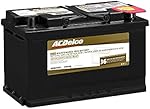
Alternatively, add a second battery. More juice in reserve, especially when you're idling or powering multiple systems. Just remember, connect them in parallel.
Shop From Amazon


A Few More Tricks Up Your Sleeve
Since we're talking about making the Kia Soul even cooler:
Touchscreen Multimedia
While revamping the audio, consider adding screens for those in the back. Perfect for movies, games, or keeping the kids engaged on longer drives.
Navigation System
For the explorers out there, a dedicated navigation system ensures you're never missing that crucial turn or exploring unknown territories without guidance.
Shop From Amazon


Wrap Up
Boosting the audio game in your Kia Soul can elevate those daily drives. Clear sound, the right tunes, and maybe a podcast or two can make a world of difference.
While hunting for the perfect components, remember, it's a balance of quality and budget. And if DIY seems daunting, don't hesitate to bring in the pros.

Nick Marchenko, PhD
Industrial Engineer & Automotive Content Specialist
Nick writes in-depth guides on car clubs, engine specs, vehicle ownership, and modifications, combining engineering knowledge with automotive passion.
Full profile → LinkedIn →You May Also Like
What Does p0128 Kia Soul mean?
2 years agoLet's dive into understanding the p0128 code which indicates an issue with the coolant thermostat temperature, shall we? This trouble code gets set off when the coolant thermostat temperature is l...
Here Are The 5 Kia Soul Years to Avoid
3 years agoAre you considering purchasing a Kia Soul? Before you do, it's important to know the years to avoid. The Kia Soul has had its fair share of issues, from steering problems to electrical system fai...
A Guide to Kia Soul Dash Warning Lights (Symbols, Meaning & How to Respond)
3 years agoIlluminated warning lights on a Kia Soul's dashboard are lifesavers - they provide drivers with crucial insight into potential issues that can not only prevent damage to the car but also avert acc...
How To Install Roof Racks on Kia Soul?
2 years agoWhen it's time to hit the road or seek a new adventure, you'll often find yourself packing more than the Soul can handle internally. Even with the quirky charm and surprising space of the Kia...
How To Change the Coolant in Kia Soul?
2 years agoFor those rolling in the boxy, spirited Kia Soul, the maintenance beats don't stop at fuel fill-ups and the occasional oil or brake fluid swap. The choreography of car care throws a less frequent,...
How To Sell Your Junk Kia Soul?
2 years agoEven the spirited Kia Soul isn't immune to the passage of time. It's a fact of automotive life that even with the best care, any car will eventually reach the end of its practical lifespan....