Disclaimer: Not affiliated with or endorsed by Kia Motor Company. For informational purposes only. Full Disclaimer
What Does P0161 Kia Sorento Mean
Updated:
Thanks for dropping by, mate! If you're eyeballing this piece, you've likely spotted that frustrating code p0161, but we're chatting about the Kia Sorento this time around. Let’s dig into what this code indicates and get our hands dirty with the causes, symptoms, and potential fixes, shall we?
First up, that pesky Diagnostic Trouble Code p0161 represents an O2 sensor heater circuit malfunction. In layman's terms, your Kia Sorento’s got a hiccup with the sensor heater circuit in Bank 2, Sensor 2.
In a nutshell, it’s an issue that revolves around the oxygen sensors' heating element or the wiring. If left unchecked, this nuisance can compromise fuel efficiency and could potentially jack up emissions. So, giving it a proper fix, and pronto, is paramount to sidestepping any internal engine damage.
Key Takeaways
- The p0161 code indicates an O2 sensor heater circuit malfunction in the Kia Sorento, particularly located in Bank 2, Sensor 2.
- Potential root causes for p0161 could include open O2 sensor heater power/ground circuit, contamination in the O2 sensor, or issues with the O2 sensor or PCM itself.
- Noteworthy symptoms of p0161 generally involve the check engine light illuminating, and possibly, an increase in vehicle emission output.
- Addressing the p0161 involves inspecting and potentially replacing the O2 sensor, checking fuses, examining sensor and circuit resistance, and possibly reflashing or replacing the PCM.
What Does p0161 Mean for Kia Sorento?
This bothersome code, p0161, might pop up on some Kia Sorentos. It implies that the oxygen sensor of your trusty Sorento isn’t warming up as it should.
Getting a tad more technical, it indicates that the PCM has identified a glitch in the heater circuit of the oxygen sensor situated in Bank 2 Sensor 2. You'll locate this sensor in the vicinity of the catalytic converter, playing a vital role in sensor accuracy for fuel emissions.
Deciphering the First Digit of the Code

P0161 brings along its own code description, mates.
- P, that’s for PowerTrain.
- 0, that's Generic, applicable to a wide range of vehicles.
- 161, that delves into the fuel and air metering system, including the oxygen sensor in bank 2 sensor 2.
Root Causes for p0161 in Kia Sorento
Let’s take a gander at the potential causes, shall we?
- Firstly, the code could stem from an Open O2 sensor heater power circuit.
- Secondly, an Open O2 sensor heater ground circuit could be the culprit.
- Don't rule out the possibility of contamination in the O2 sensor.
- And sometimes, a dodgy O2 sensor and a malfunctioning PCM can trigger this code.
Recognisable Symptoms for p0161 Code in Kia Sorento
Here’s the lowdown on some telltale signs that might tip you off even before you run a diagnosis.
The initial, and often sole, symptom of p0161 in a Kia Sorento is that glaring check engine light suddenly illuminating your dash. It's commonly the lone wolf when this code comes into play.
Bear in mind, elevated vehicle emission output might also crop up when the p0161 issue is afoot.
Shop From Amazon
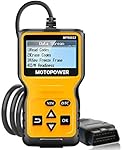


Getting a Grip on p0161 Code Fixes for the Kia Sorento
We’re going to delve into a few straightforward steps that might just put paid to the root cause of p0161. But, just a quick reminder to always give a bell to a manufacturer or a specialist mechanic before diving in.
Eyeing Up the O2 Sensor and Other DTCs

Give a good gander at any additional DTC while you’re having a butcher's at the O2 sensor. You’ll want to also cast an eye over the related wires. If the O2 sensor has gone wonky, sort yourself out with a replacement. Spot a problem with the wiring? Make sure that gets a bit of TLC and a repair job.
Having a Peek at the Fuse
Take note, folks! There are a few fuses associated with the O2 Sensor heater. Give those fuses a good once-over for any hiccups. Typically, Kia Sorentos house their fuse box in the engine bay, usually snuggled in a black plastic box with a few clips.
Glance through the service manual to pinpoint the fuse that's playing ball with the O2 sensor heater. Whip it out and give it a look-see. If it’s rattling around, it’s shouting out for a replacement.

Examining the Sensor and Circuit Resistance
If you’re not spotting any dramas with the O2 sensor, it’s time to check out the sensor's resistance, and you’ll be needing a digital multimeter for that. Don’t forget to also check the circuit resistance. Any issues with these lads and you’ll be in the market for replacements.
Reflash or Swap Out the PCM
Occasionally, the PCM might be your culprit. If it’s throwing a wobbly, it’s time to either give it a reflash or switch it out for a new one.
What’s the Damage for Fixing P0161?
If it’s a fuse that’s gone on the blink, you might be parting with around 20 quid. Issues with the circuit wiring might see you down anywhere between $200 to $300. And if it’s the O2 sensor that needs a swap, expect to dish out upwards of $200.
Shop From Amazon


Is it Alright to Drive with the p0161 Code on the Kia Sorento?
Driving your Kia Sorento with the p0128 code making an appearance is doable. The code will light up the check engine light, but whilst you won’t have any physical obstruction, your vehicle might not reach its optimal temperature, so getting it seen to pronto is wise.
FAQs
How to Keep the P0161 Code at Bay in the Future?
Ensuring your vehicle gets its regular checks and giving it a miss when the engine is misfiring can prevent this code from making an unwanted comeback.
Any Harm in Using an Aftermarket Oxygen Sensor for the Swap?
While you can use an aftermarket oxygen sensor for the job, splashing out on an original is usually a smarter bet, folks!

Nick Marchenko, PhD
Industrial Engineer & Automotive Content Specialist
Nick writes in-depth guides on car clubs, engine specs, vehicle ownership, and modifications, combining engineering knowledge with automotive passion.
Full profile → LinkedIn →You May Also Like
Here Are The 5 Kia Sorento Years to Avoid
3 years agoAre you considering purchasing a Kia Sorento? Before you do, it's important to know which years to avoid due to a variety of issues. From air bag malfunctions to engine problems, this post will c...
A Guide to Kia Sorento Dash Warning Lights (Symbols, Meaning & How to Respond)
3 years agoIlluminated warning lights on a Kia Sorento's dashboard are lifesavers - they provide drivers with crucial insight into potential issues that can not only prevent damage to the car but also avert...
Ready for Winter: A Step-by-Step Guide to Prepping Your Kia Sorento for the Wintry Months
2 years agoMaking your Kia Sorento winter-ready as winter draws near is a smart and necessary project. A series of preparations is necessary to guarantee your vehicle's safety, performance, and peace of m...
Kia Sorento Typical Problems - 2.2 CRDI Engine Problems
2 years agoThe third generation of the Kia Sorento (UM) was manufactured from 2014 to 2020. In 2017, the compact SUV received a facelift. Its predecessor is the Sorento II. Kia Sorento Engine Problems - Petro...
How to Fix Kia Sorento Brake Light Fail - Useful Tips
2 years agoEnsuring your Kia Sorento's brake lights are operational is not just a matter of legal compliance, but a critical safety concern. A non-functioning brake light could result in a failure to communi...