Disclaimer: Not affiliated with or endorsed by Kia Motor Company. For informational purposes only. Full Disclaimer
Why is my ABS light on in my Kia Optima - Causes and How to Fix
Updated:
The ABS (or Anti-lock Braking System) light in your Kia Optima serves as a crucial warning indicator, alerting you to potential issues with your vehicle's braking system.
When the ABS light illuminates on your dashboard, it indicates a problem that requires attention to ensure your safety on the road.
This article aims to provide a comprehensive understanding of the ABS light in your Kia Optima, exploring common causes for its illumination and offering insights on how to diagnose and fix these issues.
By familiarizing yourself with the causes and solutions, you can take proactive measures to address the ABS light in your Kia Optima and maintain optimal braking performance.
Definition of the ABS Light in Kia Optima

Actually, the ABS light in your Kia Optima stands for "Anti-lock Braking System." It's a nifty safety feature designed to prevent your wheels from locking up during sudden braking, ensuring better control and stability.
However, when this light comes on, it's an indication that something is amiss with your ABS system, and it is time to investigate.
Common Causes for ABS Light Illumination in Kia Optima

A) Faulty ABS Sensor: Symptoms and Troubleshooting
One of the most common culprits behind an illuminated ABS light is a faulty ABS sensor. These sensors are responsible for detecting wheel speed and relaying that information to the ABS control module.
If a sensor goes haywire, it can trigger the ABS light. Look out for symptoms like erratic braking, ABS system failure, or even a sudden visit from the traction control light.
Troubleshooting involves checking the sensor's wiring, cleaning, or replacing the sensor if necessary, and resetting the ABS light.
B) ABS Pump or Module Malfunction: Diagnosis and Solutions
Sometimes, the ABS pump or module itself can give you a hard time. These components control the pressure in your braking system, and any malfunction can lead to an unhappy ABS light.
Shop From Amazon


Signs of trouble may include a pulsating brake pedal, unusual noises, or a slippery feeling when braking. Diagnosing the issue involves a thorough inspection and testing of the pump and module, followed by repairs or replacements if needed.
C) Brake Fluid Issues: Impact on ABS Light and Resolving Methods
Believe it or not, even your trusty brake fluid can play a role in triggering the ABS light. Low brake fluid levels or contaminated fluid can disrupt the ABS system's performance and activate the warning light.
Keep an eye out for spongy brakes, leaks, or murky-colored fluid. Rectifying the issue often involves topping up or flushing the brake fluid and ensuring there are no leaks in the system.
D) Electrical Problems: Addressing Wiring and Connection Faults
Loose wires, corroded connectors, or faulty fuses can all wreak havoc with your ABS system and lead to that dreaded light. To tackle this, one must become a detective, carefully inspecting the wiring harness, cleaning or repairing connectors, and making sure everything is properly connected. Remember, patience and a good sense of humor are essential when dealing with electrical problems.
Resetting the ABS Light: DIY Steps

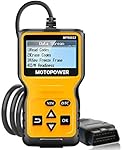
After identifying and addressing the underlying issue causing your ABS light to shine, it's time to bid it farewell—at least temporarily. Resetting the ABS light can typically be done by disconnecting the car's battery for a few minutes or using an OBD scanner to clear the codes.
However, be sure to exercise caution, follow proper instructions, and take any necessary precautions to avoid damaging your car or yourself in the process.
When to Ask for Professional Help: Complex ABS Light Problems

While some ABS light issues can be resolved with a little DIY know-how, there may come a time when you need to throw in the towel and seek the help of a professional.
If your troubleshooting efforts have been in vain, or you're faced with complex problems beyond your expertise, it's best to let the experts step in.
They have the knowledge, specialized tools, and Jedi-like abilities to diagnose and fix those stubborn ABS light mysteries. So, the next time your ABS light decides to put on a light show in your Kia Optima, don't panic.
Take a deep breath, channel your inner car detective, and remember that every problem has a solution. And if all else fails, well, at least you have a fancy disco light to brighten up your drives!
Shop From Amazon


In conclusion, understanding why the ABS light is on in your Kia Optima is essential for maintaining safe and efficient braking. By identifying common causes such as faulty ABS sensors, malfunctioning modules, brake fluid issues, and electrical problems, you can take the necessary steps to diagnose and address the underlying problems.
Whether you opt for DIY troubleshooting or seek professional assistance, addressing ABS light issues promptly will ensure the continued safety and performance of your Kia Optima's braking system.
FAQ
Why is the ABS light on in my Kia Optima?
The ABS light may illuminate in your Kia Optima due to various reasons. Some common causes include faulty ABS sensors, malfunctioning ABS pump or module, issues with the brake fluid, or electrical problems. It is important to diagnose the specific cause to effectively address the issue.
Can I continue driving with the ABS light on?
While it is generally not recommended to drive with the ABS light on, it depends on the underlying cause. If the ABS light is on due to a minor issue like a sensor malfunction, you may still have standard braking function.
However, it is crucial to have the issue diagnosed and resolved as soon as possible to ensure optimal safety and performance.
Can I reset the ABS light on my Kia Optima myself?
In some cases, you may be able to reset the ABS light on your Kia Optima yourself. However, it is important to understand that simply resetting the light without addressing the underlying cause will not fix the problem permanently. It is recommended to diagnose the issue first and then reset the ABS light if necessary.

Nick Marchenko, PhD
Industrial Engineer & Automotive Content Specialist
Nick writes in-depth guides on car clubs, engine specs, vehicle ownership, and modifications, combining engineering knowledge with automotive passion.
Full profile → LinkedIn →You May Also Like
Enhancing the Tonality: A Handbook for Improving the Audio System of Your Kia Optima
2 years agoYour Kia Optima offers a great base for an improved audio experience, thanks to its streamlined exterior and cozy interior. Your daily commute can become a symphony of rich tones and engrossing tunes...
How To Find A Coolant Leak In Kia Optima - You Don't Need A Pressure Tester
2 years agoCoolant is an unsung hero when it comes to keeping your Kia Optima purring like a kitten. Flowing through the veins of your cooling system, it's like the bouncer for your engine's hot party, e...
How To Choose Tires For Kia Optima
2 years agoThink of tires like the rockin' leather boots of your car. When you skimp on your boots, man, you're gonna feel it: they pinch, they wear out quickly, and walking around can become a pain....
How to Fix Kia Optima Brake Light Failure - DIY Guide
2 years agoIn addressing a common concern amongst Kia Optima owners regarding brake light malfunctions, it's essential to approach the problem with a comprehensive and methodical mindset. Whether it's an...
Kia Optima VIN Decoder - Analysing Your VIN Code
2 years agoEvery Kia Optima carries a unique identifier, its Vehicle Identification Number, or VIN, a series of digits and capital letters that encodes essential information about the vehicle. This includes its...
2020 Kia Optima Specifications by Trim Levels
2 years agoSo, you’re considering the 2020 Kia Optima? Good choice. This mid-size sedan has been around since 2001, and it’s got a bit of everything: style, performance, and value. But let’s no...